9 Essential Facts About the Yorkie Poo You Should Know
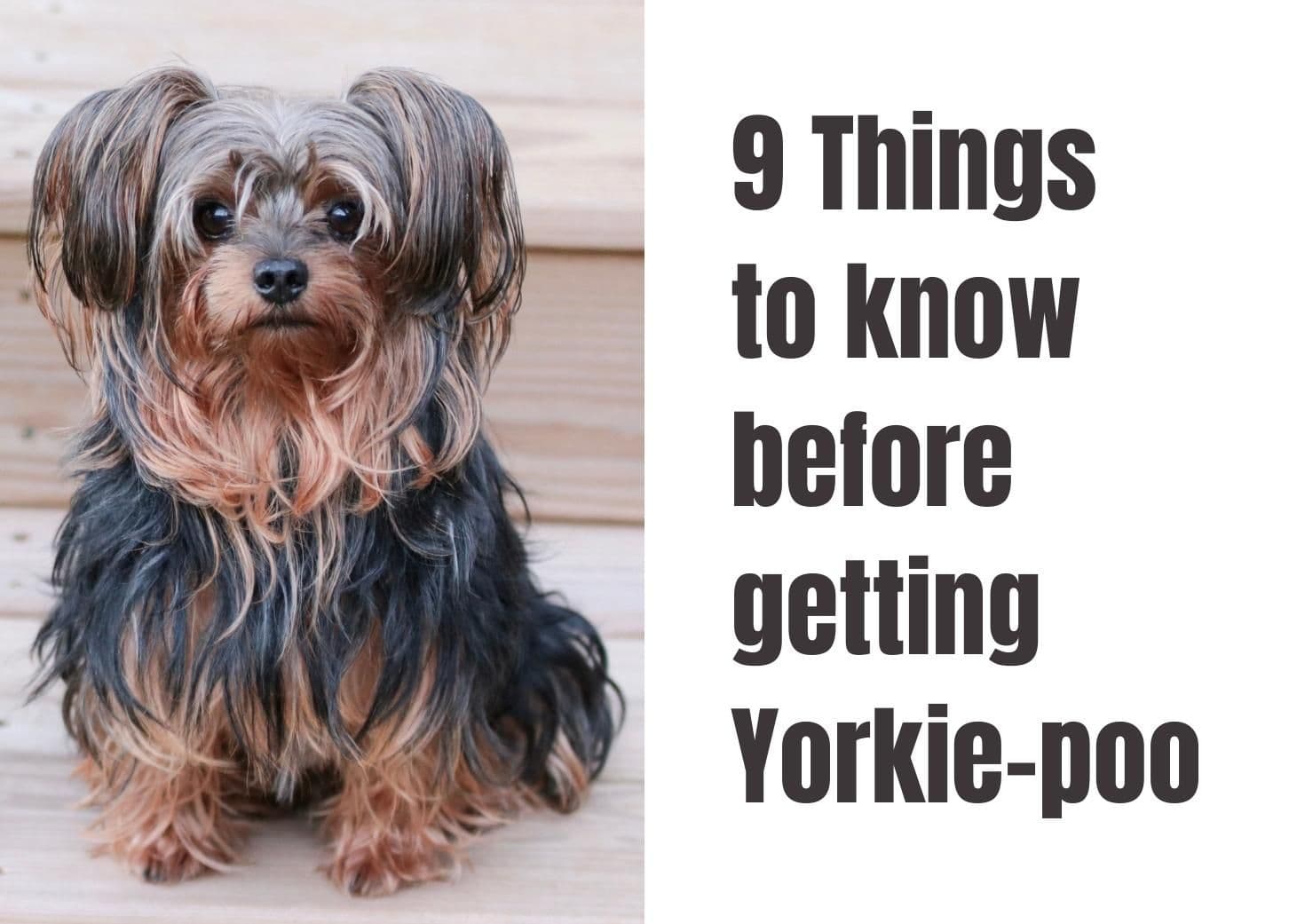
Thinking about bringing a Yorkie Poo into your life? You've picked one of the most charming little dogs out there — but "cute" is only half the story.
These pint-sized pups are packed with personality, energy, and love. They're also barky, needy, and higher-maintenance than their size suggests.
Here's the good news: by the end of this guide, you'll know exactly what you're signing up for.
Below, you'll find the 9 things that actually matter — from grooming and health to whether this little dynamo fits your lifestyle.
1. Small Dog, Big Personality
The Yorkie Poo is a cross between a Yorkshire Terrier and a Toy or Miniature Poodle. That combo gives you a dog that usually weighs **under 15 pounds** and stands **no taller than 15 inches**.
They're tiny. Perfect for your lap, perfect for apartment living.
But here's the twist: they don't act tiny.
Expect confidence, sass, and a dog that genuinely believes it could take on the neighbor's Labrador. That big attitude is part of the charm — and part of the challenge.
So how much exercise does all that personality require?
2. They're Energetic — But Not Exhausting
Don't let the dainty looks fool you. Both parent breeds were working dogs.
Yorkies hunted rats. Poodles retrieved birds from water. That drive still shows up in your Yorkie Poo today.
But here's the reassuring part: they don't need hours of hard running.
- A couple of short daily walks
- A game of tug or fetch in the living room
- A puzzle toy or two to work the brain
That combination usually keeps them happy and settled. They're ideal for someone who wants an active companion — not a full-time athlete.
Speaking of training — is this a smart breed or a stubborn one?
3. Smart, and (Mostly) Willing to Learn
You're getting two very different brains in one dog.
Poodles are eager people-pleasers. Yorkies? A bit headstrong and independent.
Mix them together and you usually get a dog that's keen to learn — but happy to test your patience now and then.
“Don't let that adorable face talk you out of enforcing the rules. Cute is exactly how bad habits sneak in.”
The fix is simple, if not always easy: **consistency and positive reinforcement**.
Start young. Keep sessions short and fun. Reward the behavior you want, and stay patient on the stubborn days.
Training that actually sticks
- Start on day oneHabits form fast, good and bad — begin the moment they come home.
- Keep it shortFive-minute sessions beat one long, boring one.
- Reward, don’t scoldTreats and praise teach faster than frustration ever will.
- Be boringly consistentEveryone in the house enforces the same rules, every time.
Now, about that clingy streak everyone warns you about.
4. A Velcro Dog With a Side of Sass
Yorkie Poos adore their people. Fully, completely, follow-you-to-the-bathroom adore.
Sit down and they're in your lap in seconds. It's sweet.
But here's the catch: that devotion means they hate being left alone.
Some develop genuine separation anxiety. This breed does best when someone works from home, or when you have a pet sitter or daycare option lined up.
Quick poll
Can you offer company most of the day?
Great with you — but how do they do with the whole household?
5. Great With Families — When Socialized Well
With proper early socialization, Yorkie Poos usually shine as family dogs.
They tend to get along with kids, other dogs, and even cats. The key word is *socialized* — the more people and pets they meet young, the more confident they grow.
Young kids
With careGreat companions, but supervise play — their tiny frames injure easily.
Older kids
GreatGentle, playful, and sturdy enough for calm handling.
Other dogs
GoodUsually friendly when introduced properly and early.
Cats
GoodOften coexist happily, especially raised together.
What this means in practice: a well-socialized Yorkie Poo is friendly. A sheltered one can grow fearful or snappy. Invest in those early meetings.
Now let's talk about that fluffy, low-shed coat.
6. That Luxurious Coat Needs Some TLC
Here's a big selling point: Yorkie Poos often inherit the Poodle's **low-shedding coat**, which many allergy sufferers tolerate well.
But low-shedding does not mean low-maintenance.
Their hair — silky, wavy, or curly — mats easily without regular attention.
- Brush daily to prevent painful mats
- Bathe roughly once a month
- Book a professional groom every 6–8 weeks
- Skip brushing “because they don’t shed”
One more thing: coats change with age. First-generation mixes can be unpredictable, while later-generation Yorkie Poos tend to have more consistent coats and colors.
Now, the section every responsible owner needs to read.
7. Health: What to Watch For
Like any mixed breed, Yorkie Poos can inherit conditions from either parent. Knowing the list ahead of time helps you spot trouble early.
Patellar luxation
Kneecap issues common in tiny breeds — watch for skipping or hopping steps.
Legg-Calve-Perthes
A hip joint problem that can cause limping in young dogs.
Epilepsy
Occasional seizures that a vet can help manage.
Hypothyroidism
Slowed metabolism, sometimes weight gain or coat changes.
Skin allergies
Atopic dermatitis — itching, redness, and irritation.
Cushing’s disease
A hormonal condition seen in some older small dogs.
Liver shunt (PSS)
A liver blood-flow issue that reputable breeders screen for.
Can you guess?
What's the single best thing you can do for your Yorkie Poo's health?
Frequently Asked Questions
Yes, with realistic expectations. They’re smart, affectionate, and small enough for apartments — but they need consistent training, daily grooming, and plenty of company. If you can offer that, they’re a wonderful starter breed.
Not long. This is a clingy, people-focused breed prone to separation anxiety. A few hours is fine once they’re trained, but full workdays alone are tough. Daycare, a sitter, or a work-from-home setup helps a lot.
They can. It’s part of the terrier package — barking at noises, strangers, or out of boredom. Training reduces it, and mental enrichment helps, but expect a vocal little watchdog rather than a silent one.
Generally yes, especially with older kids. Their tiny size means play with young children must be supervised to avoid accidental injuries, but they’re social and affectionate by nature.
No dog is truly hypoallergenic, but their low-shedding, Poodle-influenced coat is often tolerated well by allergy sufferers. Spend time with one before committing if allergies are a concern.
A fair amount. Plan on daily brushing to prevent mats, monthly baths, and a professional groom every 6–8 weeks. Skipping brushing leads to painful tangles fast.
Most mellow noticeably between one and two years old, once they’re past the adolescent testing phase. Consistent training and daily exercise speed the process along.
Usually, when socialized early and introduced properly. Raised alongside a cat, they often coexist happily. The key is calm, positive first introductions.
Pros
You'll love them if you want…
- A cuddly, devoted lap companion
- An apartment-friendly small dog
- A low-shedding coat for allergy sensitivity
- A smart dog that enjoys learning tricks
Cons
Think twice if you need…
- A dog that’s happy alone all day
- A totally silent, no-bark pet
- Zero grooming commitment
- A hands-off, low-attention companion