9 Things to Know Before Getting a Finch
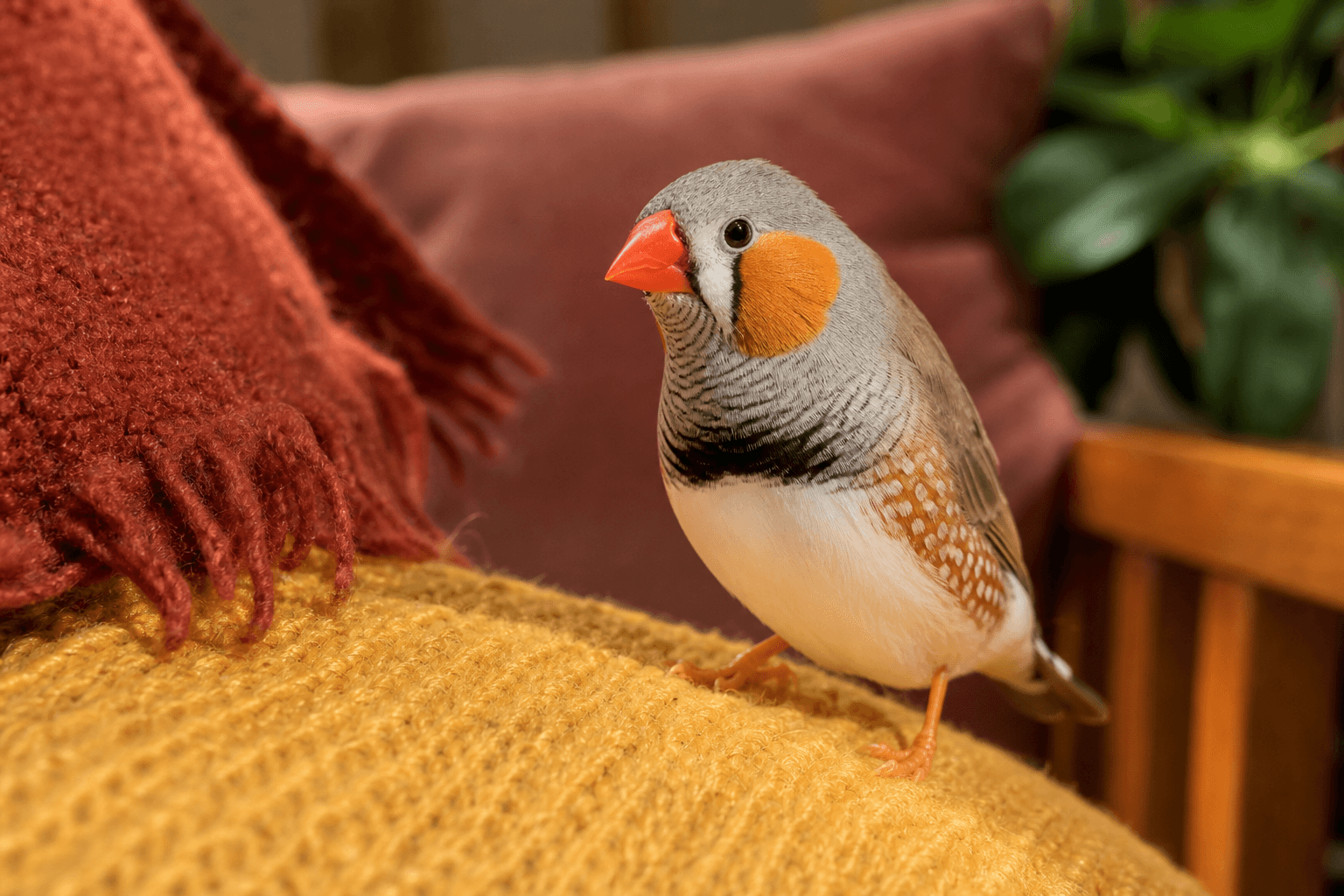
You fell for that tiny beak and cheerful chirp. We get it — finches are irresistible.
Before you bring one home, here are the exact things that make life with finches joyful and simple.
Read this first, set up right once, and enjoy their songs without surprises.
1. Not All Finches Are the Same
“Finch” covers many species, and their needs and personalities differ.
Zebra finches are hardy, active, and great for beginners. Society finches are gentle and less flighty. Gouldian finches are stunning but more sensitive to temperature stress and diet mistakes.
Beginner-friendly
Zebra, Society
Intermediate
Gouldian, Cut-throat
Pick the species that matches your home’s temperature stability, your experience, and how much hands-on care you want to learn.
Choose the bird that fits your life, then set the space to fit the bird.
2. They Are Social — Usually in Pairs
Finches are flock birds. Kept solo, most become stressed and vocalize anxiously.
Plan on a same-species pair, ideally two males or two females if you are not prepared for breeding. Mixed aviaries can work for experienced keepers, but crowding or mixing assertive species causes chasing and stress.
3. Cage Size Matters More Than You Think
Finches exercise by flying horizontally, not climbing.
For a pair, aim for at least 30 inches wide with more length than height, bar spacing around 1/2 inch or less, and multiple flight paths. Bigger is better — they’ll use every inch.
4. Perches, Lighting, and Quiet Corners
Skip sandpaper and plastic dowels. Offer natural wood perches of varied diameters to protect feet, plus a single soft rope perch for resting.
Provide 10–12 hours of light and darkness. A simple timer and a cage cover create a predictable day-night rhythm that reduces stress and nighttime flutters.
Place the cage away from kitchens, candles, and drafts. A quiet corner with one side against a wall helps them feel secure.
5. Seed Is Not a Complete Diet
All-seed diets lead to deficiencies. Build a base of a high-quality finch pellet (or a fortified seed mix used sparingly), then add variety.
Daily staples
Pellets, leafy greens (chard, kale, romaine), small amounts of safe veggies
Occasional extras
Egg food during molt, sprouted seeds, millet spray as a treat
Provide cuttlebone or mineral block for calcium, and fresh water twice daily. Introduce new foods gradually so cautious birds accept them.
6. Expect Gentle Noise — Not Silence
Finches don’t scream like parrots, but they are not silent. Expect soft peeps and cheerful chatter throughout the day, with dawn and dusk being the busiest choir times.
If you need absolute quiet for calls or naps, don’t place the cage in your office.
7. Drafts, Fumes, and Vet Reality
These little lungs are sensitive. Avoid aerosols, perfumes, scented candles, and nonstick cookware fumes anywhere near them.
Find an avian vet before you need one. Keep a simple kit: nail clipper designed for birds, styptic powder, scale that reads in grams, and a hospital cage or carrier.
8. Look, Don’t Cuddle
Finches are not pocket pets. They’re watch-and-listen companions. Most dislike hands and do best with calm, routine care: feed, clean, observe.
You can still build trust: move slowly, talk softly, and offer millet through the bars. The reward is relaxed birds that sing more and stress less.
9. Breeding Happens — Plan or Prevent
Give a compatible male-female pair a nest and long daylight, and they may breed quickly. That sounds cute until you’re managing clutches and finding homes.
If you do not want chicks
- House same-sex pairsTwo males often coexist well in many species; monitor for chasing.
- Remove nest sites and materialNo nest boxes, no nesting fiber. Rearrange perches to reduce territory cues.
- Control photoperiod and dietKeep daylight around 10–11 hours and limit rich, high-protein foods that stimulate breeding.
They scatter hulls and feathers. Use a seed guard or acrylic panels, line the tray with paper for quick swaps, and spot vacuum every couple of days.
Sometimes, in roomy aviaries with multiple feeding stations. Avoid mixing very assertive with very timid species, and never crowd. Start with same-species pairs if you are new.
Rarely in a painful way. They may peck when stressed, but they lack the crushing beak of parrots. The bigger risk is them panicking and injuring themselves.
Many pet finches live 5–8 years with good care. Some species, like society finches, often reach the upper end; Gouldians can be shorter-lived without careful management.
Plain paper or paper towels. Skip corn cob or dusty litters; they mold and irritate airways.