9 Things to Know Before Getting a Keeshond
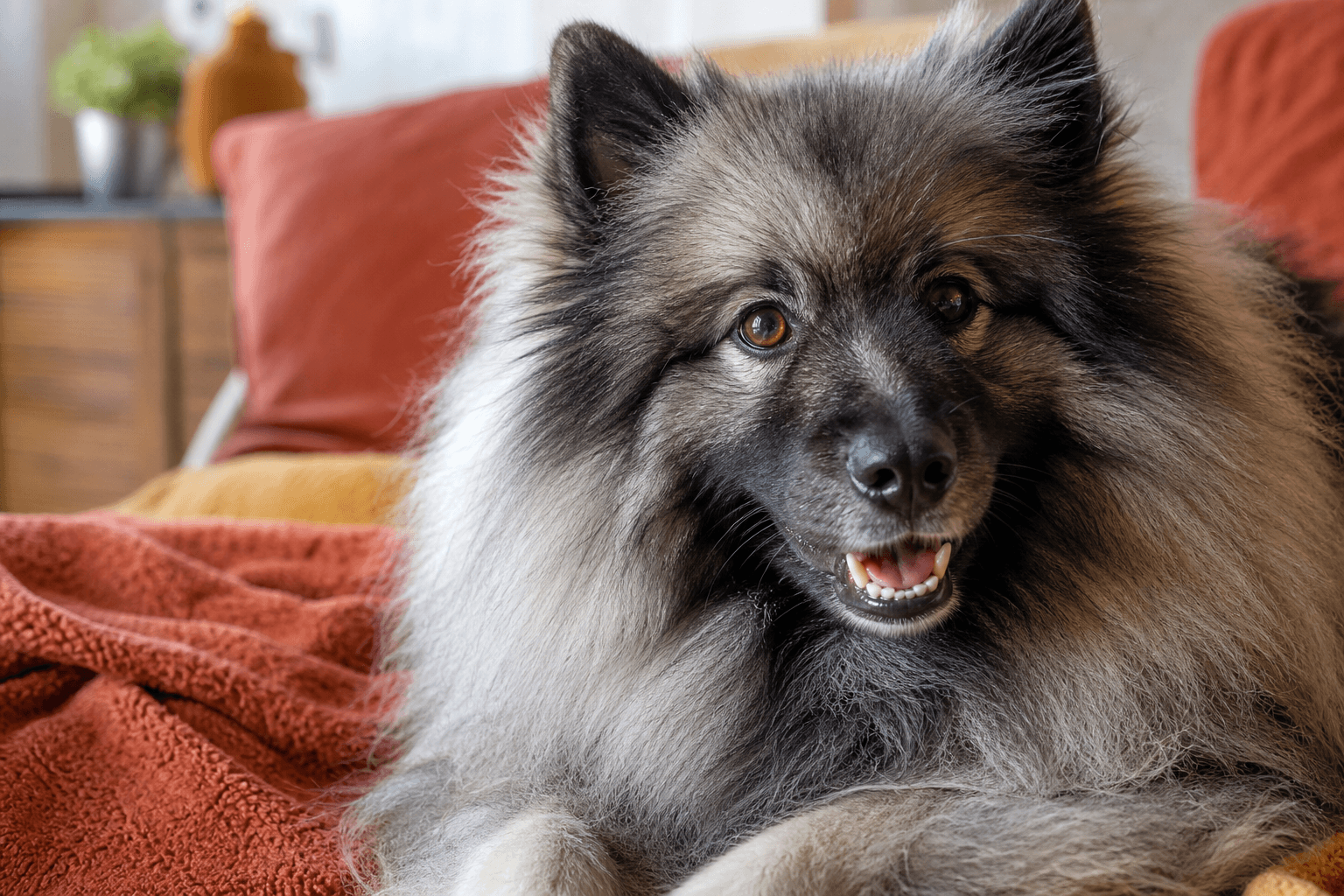
You saw the smiling face and the plush silver cloud and thought… is a Keeshond our dog?
Here are the nine things we learned living with one — the fun, the fluff, and the for-real commitments.
Read this first, and you will start on the right paw.
1. They Are Velcro Family Dogs
Keeshonden are people-centered to their core. Expect a soft shadow following you room to room.
They thrive where someone is around most of the day. Leave them long hours and you will see restlessness, mischief, or vocalizing.
Best With
Homes that enjoy interaction — families, retirees, remote workers.
Less Ideal
Out-all-day schedules or low-engagement households.
2. The Coat Is High Maintenance (But Not Hard)
That double coat is spectacular and surprisingly clean — dirt shakes out once dry — but it needs routine care.
Plan a thorough line-brush and comb to the skin weekly, plus a quick once-over midweek. Focus on friction zones: ruff, behind ears, armpits, pants, and tail base.
3. Exercise Needs: Brains First, Then Legs
They are moderate athletes with bright, eager minds. Two brisk 20–30 minute walks plus play suits most adults.
But the real calm comes from mental work: scent games, trick training, puzzle toys, and beginner agility or rally.
Meet the neighbor-alert specialist
4. The Famous Keeshond Bark
Keeshonden are natural watchdogs: friendly once introduced, but quick to announce visitors, squirrels, packages, and suspicious breezes.
Teach a quiet cue early. Reward silence after one alert bark and manage triggers with window film, white noise, or a front-yard sniff session before deliveries.
5. That Plush Coat and Heat
The coat insulates both ways but they are still heat-sensitive.
Walk early and late in summer, offer cool mats and fans, and keep water and shade always available. Trim paws and sanitary areas only — never shave a double coat.
6. Training Style That Clicks
Keeshonden are sensitive, smart, and eager to please. Heavy-handed methods shut them down.
Use upbeat, reward-based training. Short, fun sessions keep their sparkle; vary routines to prevent boredom. They excel at tricks and love making you laugh.
They are responsive with positive reinforcement. Perceived stubbornness is usually boredom or unclear cues.
Management and reinforcing quiet works better than punishment for an alert breed.
7. Shedding Seasons Are Real
Day to day, shed is light and floaty. Twice a year they blow coat — clouds everywhere for a couple of weeks.
During a shed, increase brushing, bathe to loosen undercoat, and run a high-velocity dryer if you have one. A grooming apron is not dramatic — it is practical.
8. Health Snapshot and Costs
Generally a sturdy breed with a 12–15 year lifespan. Watch for hip dysplasia, patellar luxation, hypothyroidism, allergies, and occasional eye issues.
Annual Cost Breakdown
| Expense | Annual Cost |
|---|---|
| Quality food | $450–$800 |
| Routine vet care | $250–$500 |
| Grooming tools/supplies | $100–$200 |
| Training/activities | $150–$400 |
| Insurance (optional) | $500–$800 |
| Est. Annual Total | $1,450–$2,700/yr (typical range) |
Not necessarily. Many owners DIY with weekly brushing and occasional baths. A pro groom every few months helps during coat blows and nail care.
Typically yes when socialized. They are gentle, playful, and read the room well. Supervise like any breed and teach kids polite dog manners.
Moderate. A yard is nice but not required. Daily walks and brain games matter more than square footage.
9. The Lifestyle Fit Check
If you want a sociable, medium-sized companion who lives to make you smile, the Keeshond delivers.
- We can commit to weekly brushing and seasonal extra care.
- Someone is home or engaged most days.
- We will channel alertness with training, not scolding.
- Hot-climate plan: shade, AC, timing walks.
- We are allergic to fur tumbleweeds and dog glitter.