9 Things to Know Before Getting a Green-Cheek Conure
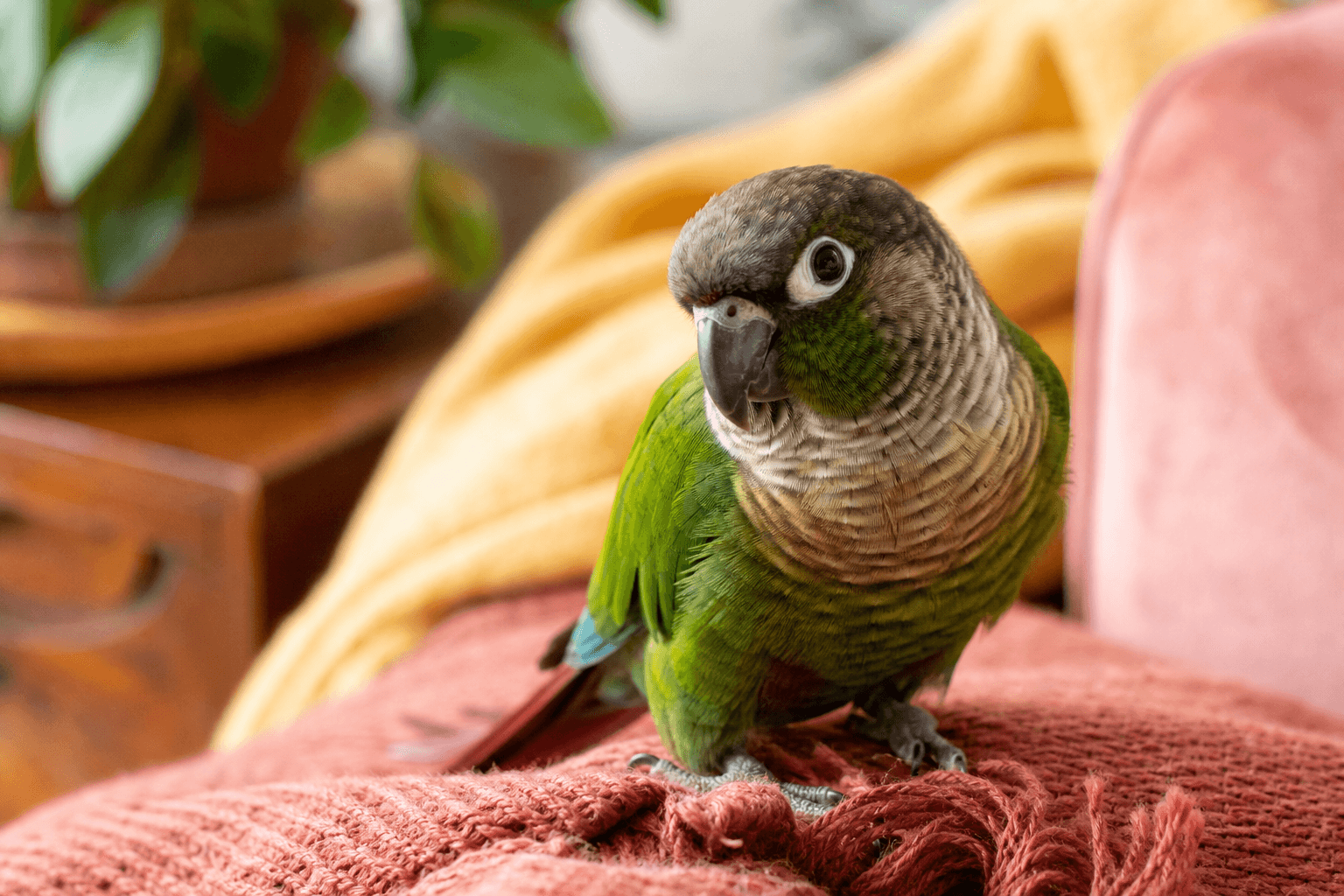
You love their clowny charm, tiny size, and that sweet face.
Green-cheek conures can be the perfect little parrots — if you know what you are signing up for.
Here are the nine things we insist you understand before you bring one home.
1. They Are “Quiet” — for a Parrot
Compared to sun conures, green-cheeks are softer voiced, but you will still hear daily contact calls and sunrise/sunset bursts.
Apartment-friendly does not mean silent; it means manageable with routine, enrichment, and respecting sleep.
2. Relationship First, Tricks Later
These birds thrive on trust. Pushy handling creates nips; patient, choice-based interactions create a velcro buddy.
Build trust
Hand-feed high-value treats through bars, let them approach you, and respect no-thanks body language.
Reinforce calmly
Mark desired moments — step-up, quiet, independent play — with a soft “good” and a tiny treat.
Short sessions
1–3 minutes, several times daily, beat long marathons.
Consent cues
A relaxed stance, fluffed cheeks, and beak exploring your finger usually mean yes; pinned eyes and leaning away mean no.
3. A Decade (or Two) Commitment
With good care, many live 12–20 years. Life changes happen: roommates, babies, moves.
Plan a caretaker backup, and choose a bird because you enjoy daily routine — not as a passing hobby.
4. Pellets, Produce, and Foraging Matter
All-seed diets shorten lives. Aim for a quality pellet as the base, fresh veggies and some fruit daily, with seeds and nuts as training pay.
Hookbills like conures do not need grit; it can even cause impaction. Healthy gizzards handle pellets and seeds without it.
Avocado is unsafe for birds. Also avoid chocolate, caffeine, alcohol, onion/garlic in quantity, and xylitol.
Setup and space are where most first-timers undershoot
5. Small Bird, Bigger-Than-You-Think Setup
Cage size is about wing room and toy rotation. Think width over height; bar spacing about 1/2 inch.
Minimums that feel good
- Cage footprintRoughly 30–32 inches wide if you can swing it; absolute floor is around 24 inches for a single bird with daily out time.
- PerchesMix diameters and textures: natural wood, rope, and one pedi-perch near the highest sleeping spot.
- ToysHave 6–8 in rotation: shreddables, soft woods, foraging cups, and a swing. Swap weekly.
- Light and sleep10–12 hours of dark, quiet sleep in a low-traffic spot or a separate sleep cage.
6. They Are Charming — and Messy
Hulls, fruit shrapnel, and powdery feathers happen. It is normal.
- Line trays with paper for fast daily changes
- Use covered dishes or scatter guards to reduce fling
- Skip scented cleaners; use diluted unscented soap and water
- Expect poop during shoulder time — train a perch cue
- Assume a no-mess bird exists
7. Bites Happen; Training Prevents Patterns
Green-cheeks communicate with beaks. A curious nib becomes a pinch if we ignore warnings.
Watch for pinned eyes, flattened feathers, tail flare, and lunging posture. That is your cue to pause, lower arousal, and try later.
8. Avian Vet Access Is Non‑Negotiable
Not every clinic treats birds. Before adopting, locate a board-certified avian vet or an experienced exotics clinic.
Annual Cost Breakdown
| Expense | Annual Cost |
|---|---|
| New-pet exam + baseline labs | $150–$300 |
| Annual wellness visit | $100–$200 |
| Diet (pellets, produce, treats) | $200–$350 |
| Toys/perches (rotating) | $120–$250 |
| Cage and setup (year one) | $250–$600 |
| Est. Annual Total | $820–$1,700 in year one; $420–$1,100 annually after |
9. Daily Time and Travel Planning
They need out-of-cage time and interaction every day. If you work long hours, set up foraging and safe play gyms to bridge the gap.
Pros
Green-cheek joys
- Affectionate, silly, and deeply social
- Manageable size and volume for a parrot
- Smart and trainable with tiny food rewards
Cons
Real-life tradeoffs
- Daily mess and toy destruction
- Can be nippy without boundaries
- Requires routine and reliable sleep
Some learn a few words or sounds, but they are better mimics of whistles and beeps. Expect personality over clear speech.
Many enjoy a companion, but there is no guarantee two birds will bond. Quarantine new birds, introduce slowly, and keep separate cages initially.
Temperament varies by individual, not sex. Both can be cuddly or spicy. DNA sexing is the reliable method if you need to know.
Aim for 1–3 hours daily, broken into chunks, plus in-cage foraging and toys when you are busy.
With supervision and coaching on gentle, choice-based handling, yes. But an adult should own the routine and training.