9 Things to Know Before Getting an Oriental Shorthair
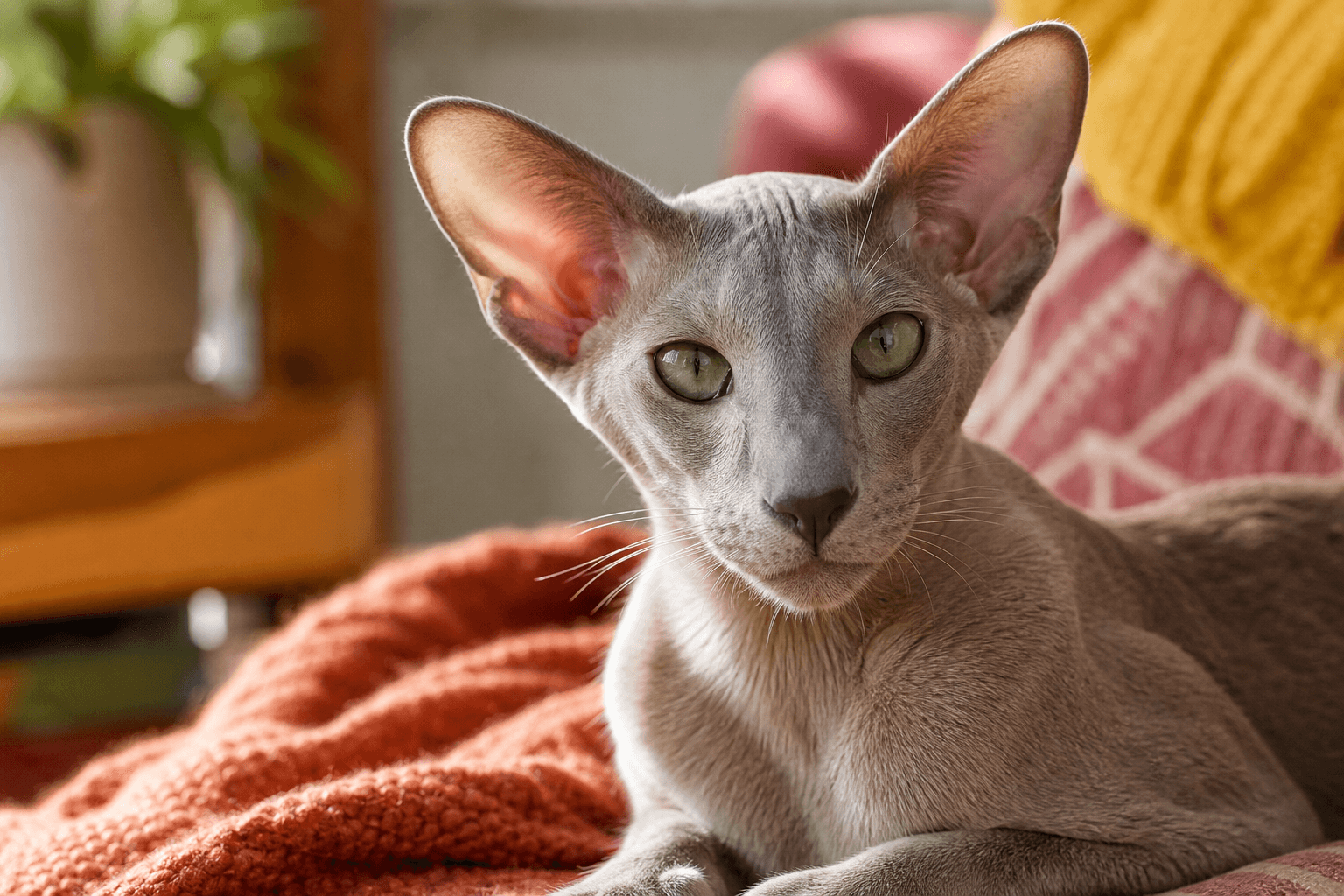
You clicked because those bat ears and big eyes are irresistible. Same.
Oriental Shorthairs are stunning, social, and seriously smart — but they are not a passive, nap-all-day cat.
Here are the nine things that actually matter before you bring one home.
1. They Are Seriously Vocal
If you want a quiet, background cat, this is not your breed.
Orientals use a wide range of chirps, trills, and full-on opinions to narrate their day. It is not random noise — they are communicating needs, boredom, or excitement.
2. Velcro-Cat Bonding Style
They pick a person (often two) and want to be involved in everything — laptop, laundry, bathroom included.
If you are out long hours or prefer independent pets, you will both be frustrated. If you love a shadow cat who sleeps under your chin, this is bliss.
3. High-Energy, High-Curiosity
Think puzzle-solver in a cat suit. Doors, cabinets, and faucets are challenges to beat.
Plan on daily interactive play: wand toys, fetch (many learn it), and 10-minute sprints sprinkled through the day. Bored Orientals invent mischief; engaged ones are magic.
Set the environment up so their curiosity works for you, not against you
4. They Do Best With Company
These cats are social with humans and often with other pets. Another playful cat or a cat-friendly dog can be a game-changer.
If you work away from home, consider adopting a compatible buddy or arranging midday engagement. Solo Orientals without enrichment may develop anxiety behaviors.
5. Low Grooming, Not No Grooming
The coat is sleek and short, but their skin is sensitive.
Weekly rubber curry or grooming glove sessions keep oils balanced and cut shedding. Ears are large and can collect wax — a quick, gentle clean every couple of weeks helps.
Grooming rhythm
5–10 minutes weekly brushing; nail trim every 2–3 weeks; ear check twice a month.
Tools that work
Rubber curry glove, soft cloth for buffing, pet-safe ear cleaner, small grinder or guillotine clippers.
6. Health: What To Watch
Oriental Shorthairs share ancestry with Siamese, so some risks overlap.
- Dental disease: They tend toward tartar and gingivitis. Start at-home brushing early and plan professional cleanings as advised.
- Respiratory sensitivity: Those fine features can mean stuffy episodes with dust or strong scents. Keep air fresh and unscented.
- Hereditary issues: Some lines carry progressive retinal atrophy (PRA) or hypertrophic cardiomyopathy (HCM). Ethical breeders screen; ask for documentation.
7. Set Up the Right Home
Think vertical and interactive.
- At least one tall, stable cat tree and multiple window perches.
- Closed trash, child locks for cabinets, and latch the medicine drawer — they learn handles.
- Rotate toys weekly so novelty stays high; store extras out of sight.
- Two scratching options (vertical post + horizontal pad) in high-traffic spots
- Daily 15–30 minutes of interactive play, split into short bursts
- Leave food out to free-feed an energetic cat
- Diffuse strong fragrances or use aerosol sprays near the cat
8. Train the Brain (Yes, Clicker Train)
They are food- and play-motivated, which is perfect for training.
Teach sit, target, high-five, and carrier comfort with a clicker and tiny treats. Mental work burns energy and builds confidence for vet visits and travel.
Quick training rules
- Short sessions1–3 minutes, a few times a day beats one long slog.
- End on a winStop while they are successful and engaged.
- Pay wellUse tiny, high-value treats or rapid play bursts.
9. Breeder, Budget, and Long Game
Reputable Oriental Shorthair kittens are typically priced higher than average domestics and often come with altering contracts.
Budget for quality food, litter, insurance, and an annual wellness exam at minimum. This is a 12–15+ year commitment; enrichment and preventive care are where the savings truly happen.
Annual Cost Breakdown
| Expense | Annual Cost |
|---|---|
| Quality food | $400–$700 |
| Litter and supplies | $200–$350 |
| Preventive vet care | $200–$500 |
| Insurance (optional) | $300–$600 |
| Toys/enrichment | $100–$200 |
| Est. Annual Total | $1,200–$2,350 / year (typical range) |
No cat is truly hypoallergenic. Some allergy sufferers tolerate Orientals better due to short coats and frequent grooming, but dander and saliva proteins are still present.
Yes — in fact, they thrive indoors when you provide vertical space, daily play, and puzzle feeders. Outdoor access should be leash or catio for safety.
Generally yes with respectful, school-age kids who understand gentle handling. They do not enjoy rough play or being chased.
Light to moderate, more during seasonal changes. Weekly grooming keeps it minimal and adds healthy shine.
Absolutely, if you want an involved, interactive cat and are ready to meet their social and mental needs. If you prefer a hands-off pet, look elsewhere.