9 Things to Know Before Getting a Leopard Gecko
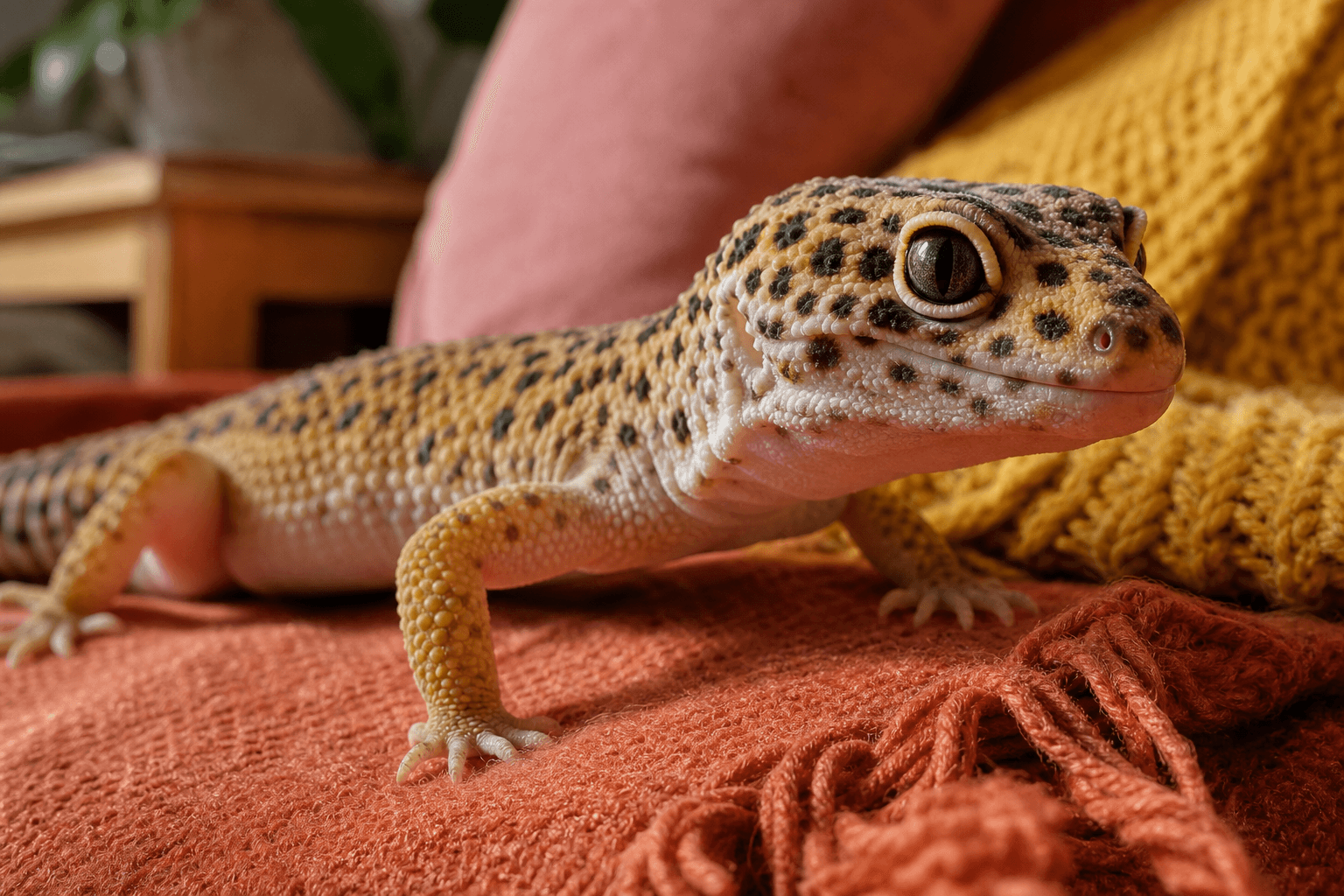
You want a chill, beginner-friendly reptile that actually thrives in a small space. Leopard geckos deliver — if you set them up correctly.
Here are the nine things that truly matter before you bring one home.
1. They Can Live 10–20 Years
Leopard geckos routinely hit the mid-teens with solid care, and 20 is not unheard of.
That means this is a long-term commitment, closer to a cat than a classroom pet.
2. A 20-Gallon Long Tank Is the Real Starting Point
Despite their size, they use horizontal floor space. A 20-gallon long (not tall) is the common baseline for one adult; larger is better.
Secure screen lid, front ventilation if possible, and keep the enclosure escape-proof — these little tanks are sneaky when motivated.
Minimum footprint
30 x 12 inches for one adult; upgrade to 36 x 18 for extra enrichment.
Decor that matters
Low hides, stacked slate, cork flats, and clutter to break line-of-sight so they feel secure.
Heat and humidity are where most beginners stumble
3. Heat From Below Beats Heat From Above
Leos are ground-dwelling, crepuscular insectivores that thermoregulate by belly heat. Use a thermostat-controlled heat mat covering roughly one-third of the tank.
Target a warm spot of 88–92 F on the surface and a cool side around 72–78 F. Verify with a probe thermometer placed where the gecko actually sits.
4. Substrate Choice Is Not One-Size-Fits-All
Loose sand alone is controversial due to impaction risk, especially for juveniles and geckos with poor husbandry. Many keepers succeed safely without it.
Solid options: textured tile, paper towel, reptile carpet, or packed soil–clay mixes designed for arid reptiles. If you go bioactive, learn the method and pack surfaces firmly so feeders cannot burrow.
Risk depends on particle size, diet, calcium access, and husbandry. Safer alternatives exist and are simpler for beginners.
It is perfectly acceptable long-term if you prioritize easy cleaning and monitoring.
5. Insects Only — With Calcium and D3
Leopard geckos are obligate insectivores. Feed a rotation of dubia roaches, crickets, black soldier fly larvae, and occasional mealworms or superworms.
Gut-load insects 24 hours before feeding and dust with plain calcium most meals, plus a calcium with D3 1–2 times per week if you do not provide low-level UVB.
Feeding basics
- JuvenilesSmall insects daily or every other day; as many as they eat in 10–15 minutes.
- AdultsEvery 2–3 days; adjust to body condition.
- TreatsWaxworms are candy — occasional only.
6. They Tolerate Handling, But on Their Terms
Most leos are calm, but they are still prey animals. Support the whole body, move slowly, and keep early sessions short.
Never grab the tail. They can drop it, and while it regrows, it is stressful and avoidable.
- Handle in the enclosure first, let them walk onto your hand
- Wash hands before and after (for them and for you)
- Wake them for daytime cuddles
- Allow kids to squeeze or chase
7. Three Hides Are Non-Negotiable
You need a warm hide, a cool hide, and a humid hide stuffed with damp sphagnum or paper towel.
The humid hide prevents stuck shed, especially on toes and tail tip. Keep it snug and check moisture twice weekly.
8. Low Light Needs, But a Day–Night Cycle Matters
They do not need bright basking lights, but a consistent 12-hour light cycle supports appetite and rhythm.
Optional, beneficial: a low-output UVB (2–5 percent) mounted over the warm side, with plenty of shade. If you use UVB, adjust D3 supplementation accordingly.
9. The Setup Costs More Than the Gecko
The animal is often the cheapest part. Budget for the enclosure, thermostat, heating, hides, decor, supplements, and ongoing feeders.
Annual Cost Breakdown
| Expense | Annual Cost |
|---|---|
| Initial enclosure + gear | $200–$400 |
| Feeders per year | $120–$250 |
| Supplements and bedding | $40–$80 |
| Vet fund (set aside) | $100–$200 |
| Est. Annual Total | $460–$930 initial; $260–$530 annually |
Not much when spot-cleaned; feces are compact and easy to remove. Odor usually means feeders left to die or a dirty humid hide.
Best practice is one per enclosure. Females sometimes cohab with careful monitoring, but stress and resource guarding are common. Never house males together.
Juveniles shed every 1–2 weeks; adults every 3–6 weeks. Provide a humid hide year-round to prevent stuck shed.
They may brumate seasonally with cooler temps and shorter days. It is optional in captivity and not advised for beginners.