7 Things to Know Before Getting a Birman
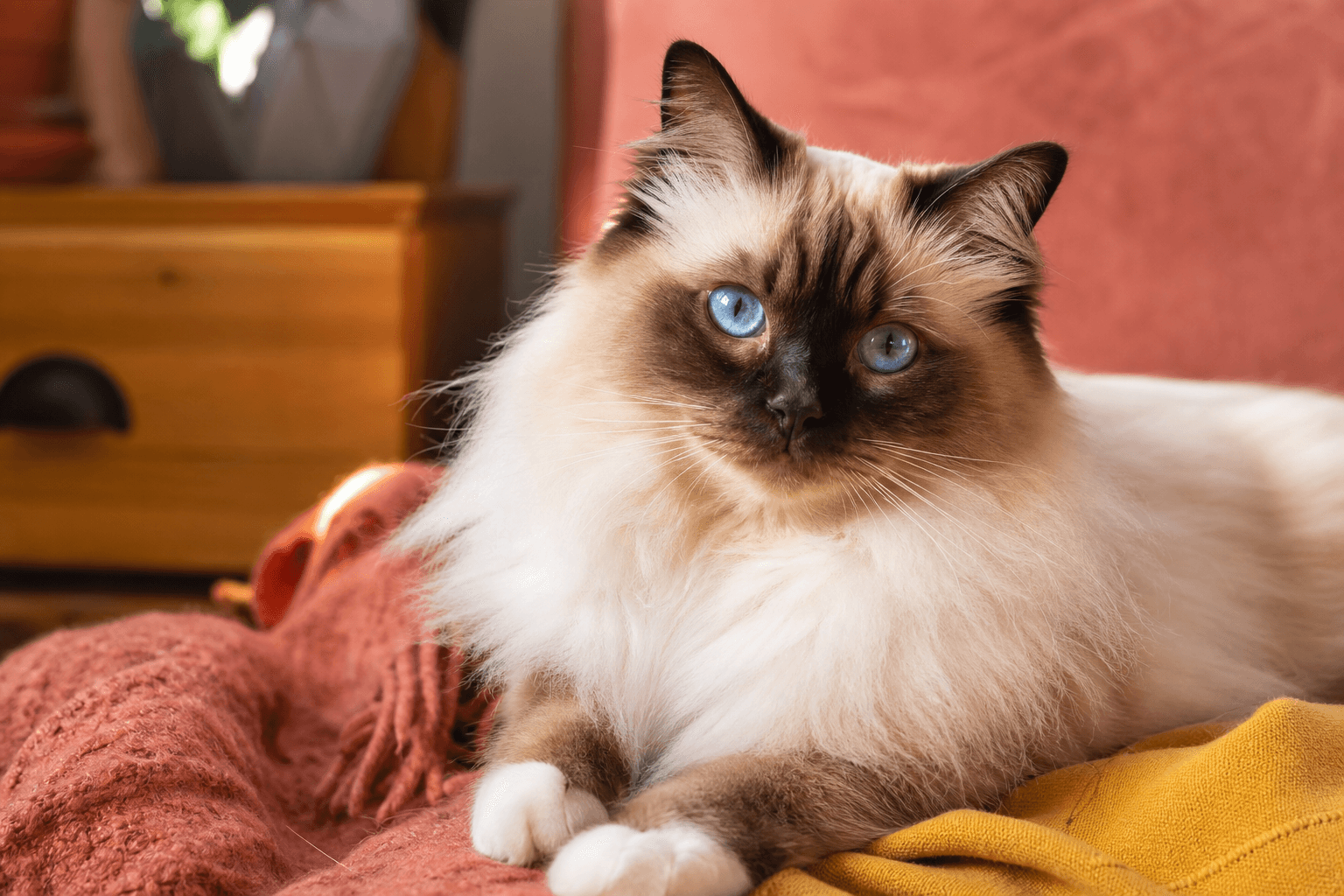
You fell for those blue eyes and white gloves. We did too.
Before a Birman steals your heart and your sofa spot, here are the things we wish we knew on day one.
Seven clear truths, no fluff—so you can say yes for the right reasons.
1. Temperament: Gentle, Not Shy
Birmans are famously even-tempered and people-focused, but they are not pushovers.
They greet you at the door, follow you from room to room, and hold soft "conversations" without the volume of a Siamese.
Expect a cat who wants to be where you are, then quietly flops nearby like a polite shadow.
Love is easy. Daily life matters.
2. Velcro-Cat Social Needs
This is a companion breed. Long workdays in an empty home can leave a Birman bored and lonely.
If you’re out often, plan for a second pet or build in daytime company and interactive toys.
- Home most evenings or able to provide mid-day interaction
- Okay with a cat who follows you—bathroom included
- Looking for an independent, low-contact cat
3. Silky Coat, Low Matting
Good news: that medium-long coat is silky with minimal undercoat, so it tangles less than you’d think.
Brush two to three times a week, focus on armpits and trousers, and you’ll stay ahead of mats and shedding.
Tools That Work
Stainless steel comb + soft slicker; skip harsh de-shedders.
Seasonal Shed
They blow coat with season changes—add a quick daily comb for two weeks.
4. Health Watchouts
Overall a healthy breed, but watch for hypertrophic cardiomyopathy (HCM) and potential kidney issues; reputable breeders screen lines.
Keep weight in check—Birmans love lounging, and extra pounds stress joints and the heart.
Annual Cost Breakdown
| Expense | Annual Cost |
|---|---|
| Quality food | $400–$800 |
| Annual vet visit + vaccines | $150–$300 |
| Preventatives/insurance | $250–$700 |
| Litter + supplies | $250–$500 |
| Grooming tools/replacement | $40–$80 |
| Est. Annual Total | $1,090–$2,380 |
5. Play Style and Enrichment
Birmans aren’t hyper, but they do enjoy short, smart play bursts.
Think wand toys, puzzle feeders, and window perches over parkour courses.
They enjoy play daily—just in measured doses. Ten minutes of wand play can tire them out nicely.
Food puzzles are perfect for Birmans—brainy and food-motivated without needing marathon sprints.
6. Good With Kids and Pets—With Caveats
They’re typically tolerant and patient, which makes them lovely with respectful children and cat-friendly dogs.
Set your Birman up with high escapes and teach kids gentle handling—ears, tail, and paws are not handles.
Introductions That Work
- Go slowScent swap and barriers for a few days beat a face-to-face clash.
- Reward calmTreats for quiet curiosity shape good first impressions.
- Safe zonesVertical space and a closed-door retreat reduce stress.
7. Finding a Responsible Source
Pointed coats and white gloves are gorgeous, but health and temperament come first.
Choose a breeder or rescue that prioritizes screenings, socialization, and transparency about lineage and behavior.
Ask For
HCM screening history, contract with health guarantee, return policy.
Red Flags
No waitlist, many litters at once, won’t let you meet adults or share vet records.
Yes. As a pointed breed, adults retain striking blue eyes; depth of color varies by line and lighting.
Most reach 7–12 lb, with a medium, sturdy frame and a plush but not heavy coat.
No cat is truly hypoallergenic. Some people tolerate Birmans well, but reactions vary by individual and grooming routine.
Primarily indoor. Their trusting nature and pale coat make them safer indoors with secure enrichment and supervised outdoor time if desired.