9 Things to Know Before Getting a Pug
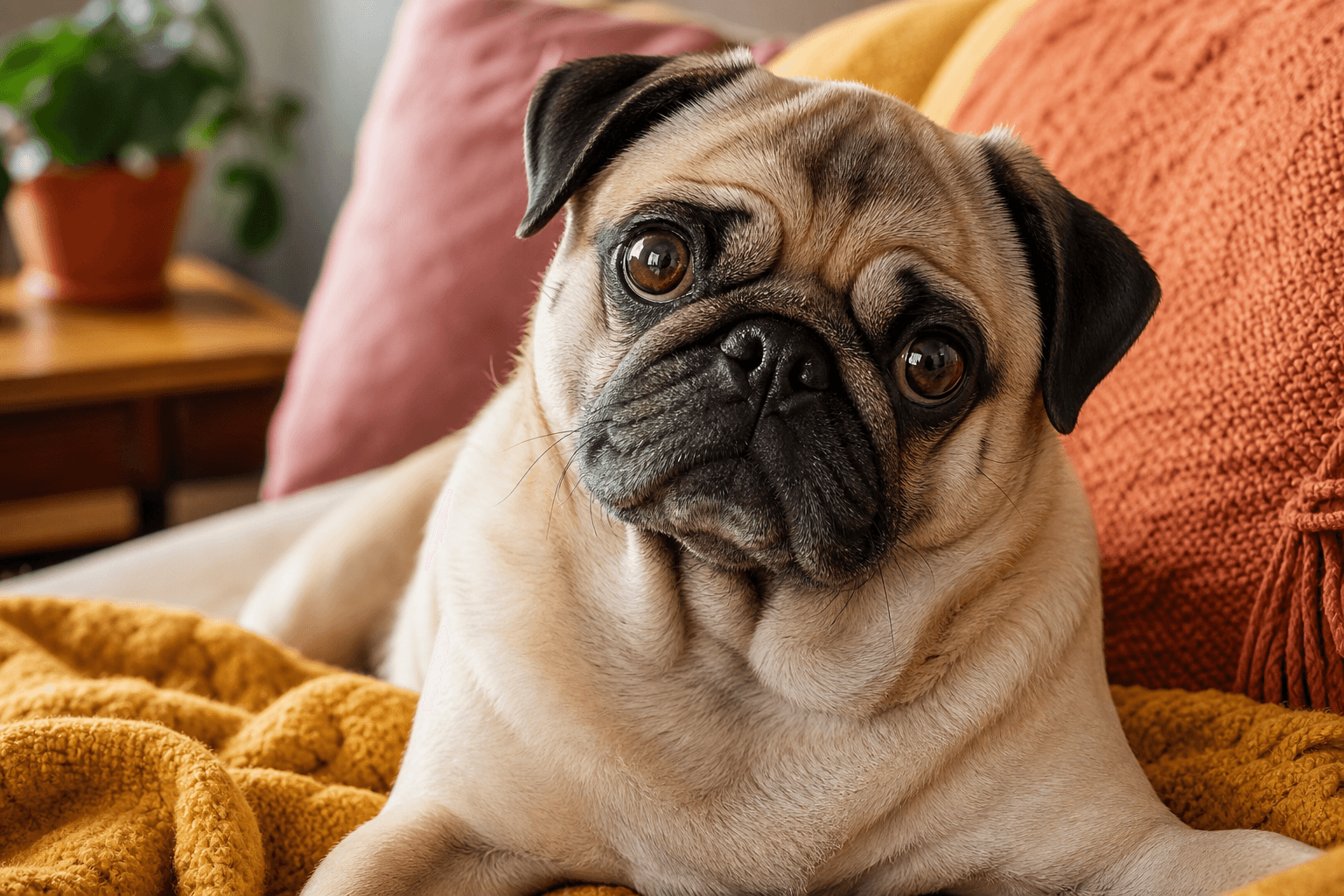
You love the big eyes, the silly snorts, and the clown energy. We do too.
Before a Pug steals your heart (and couch), here are the real-world things we wish we knew on day one.
This is the fast, honest download so you can say yes with your eyes open.
1. Breathing Comes First
Pugs are brachycephalic, which means shorter snouts and narrower airways. That adorable snore can hint at airway resistance.
Ask your vet about brachycephalic airway syndrome, nostril stenosis, and soft palate issues. Some dogs benefit from early surgical correction; many do well with careful lifestyle management.
2. Heat Is a Real Hazard
Pugs overheat faster than most breeds because they can’t cool efficiently through panting.
Walk at sunrise or after sunset in warm months, stick to shade, and carry water. If the pavement is hot to your palm, it’s too hot for paws and lungs.
3. Weight Control Is Half the Battle
Pugs are foodies with slow-burn metabolisms, so extra pounds arrive quietly and harm breathing and joints.
Feed measured meals, not free-feed. Use the rib test: you should feel ribs with a light touch and see a tucked waist from above.
Smart rewards
Swap half the treat budget for kibble earned during training.
Veggie boosters
Green beans or cucumber slices add crunch with minimal calories.
4. Eyes Need Vigilance
Those globe-like eyes are prone to ulcers, scratches, and dry eye. Wind, debris, and overexcited zoomies around furniture can cause trouble.
Keep nails on littermates short, avoid pokey plants, and blink-test any sudden squinting. A squint, pawing at the eye, or cloudiness is an emergency—corneal ulcers worsen fast but respond well when treated early.
5. Grooming: Short Coat, Real Work
Short hair does not mean no shedding—Pugs shed year-round. A rubber curry brush a few times a week keeps hair tumbleweeds down.
Clean facial folds gently 2-3 times per week with a damp pad, then dry. Moisture trapped in wrinkles causes infections and odor.
- Brush 3x weekly
- Wipe and dry face folds
- Skip ear checks
- Bathe monthly or as needed
6. Personality: Velcro With a Sense of Humor
Pugs are companion dogs, first and always. They want to be where you are—on your lap, at your feet, in the bathroom.
Expect a social, silly, people-focused pet who reads your mood and plays to the room. They’re great with considerate kids and polite dogs when properly socialized.
“A Pug will follow you from room to room like a punchline with paws.”
7. Training a Stubborn Comedian
Pugs are bright but can be selectively motivated. Food works; humor also helps. Keep sessions short and upbeat.
Housetraining can take patience. Crate training, strict potty schedules, and rewarding outside success immediately make the difference.
Fast training rules
- Pay instantlyTreat within two seconds of the behavior you want.
- Quit while winningEnd sessions on a success after 3–5 minutes.
- Manage the stageBlock access to rugs until accidents are rare.
8. Exercise: Low Miles, High Engagement
Pugs don’t need marathon walks, but they do need daily outlets. Think two short strolls and several play bursts.
Swap long, hot slogs for sniffaris, puzzle feeders, gentle fetch, and training games. Mental work tires them without stressing their airways.
Ready to run the numbers?
9. Budget for Vet Care and Insurance
Between eyes, skin, teeth, and potential airway care, a Pug’s preventive and unexpected vet costs can stack up.
Price out pet insurance early, and set aside a monthly health fund. Choose breeders who health-screen parents for nostrils, patellas, and eyes—or adopt with a plan for possible airway support.
Annual Cost Breakdown
| Expense | Annual Cost |
|---|---|
| Food & treats | $400–$700 |
| Routine vet & preventives | $300–$600 |
| Grooming & supplies | $150–$300 |
| Insurance (optional) | $400–$800 |
| Emergency/eye/airway buffer | $300–$1,500+ |
| Est. Annual Total | $1,550–$3,900+ |
Yes. Their size and moderate exercise needs fit apartment life well—just manage stairs if breathing is labored and keep routines consistent.
Most are moderate barkers. Boredom and lack of structure increase vocalizing; daily mental games help.
They tolerate short periods, but thrive on company. Aim for under 4–6 hours with enrichment and a midday break.
They’re most comfortable between roughly 60–72°F with ventilation. Above mid-70s, shorten outings and monitor closely.
No. Many do fine with management, weight control, and harnesses, but evaluation by a vet familiar with brachycephalic dogs is wise.