9 Things to Know Before Getting a Shiba Inu
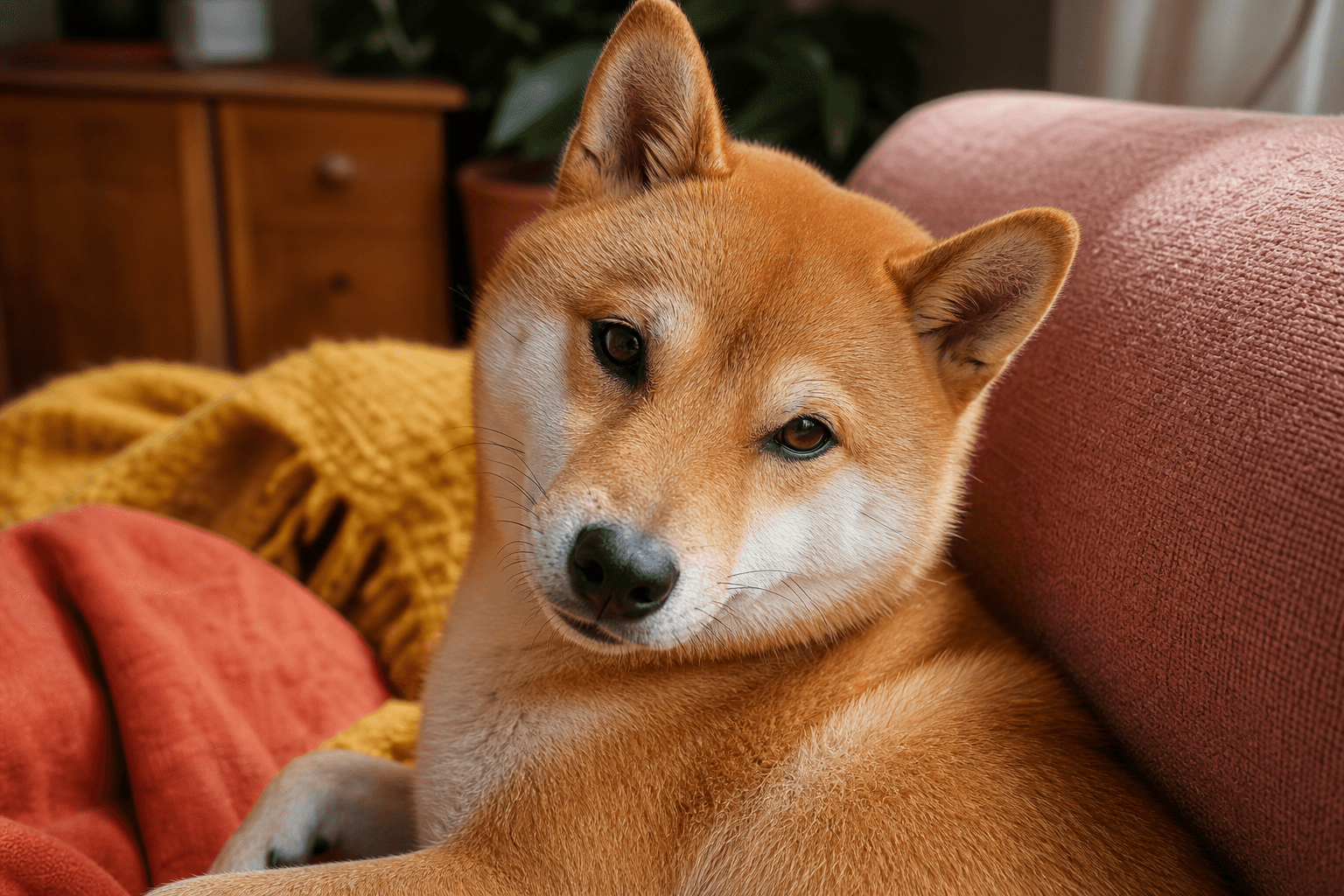
You love the fox look, the sass, and the memes. Same.
But living with a Shiba Inu is different from double-tapping one on your feed.
Here are the real-world things we wish we knew before our first Shiba — so you can start on the right paw.
1. They Are Deeply Independent
Shibas are intelligent, observant, and highly self-directed.
They bond closely, but they won’t ask, How high? when you say, Jump.
We get better results treating them like a partner: clear boundaries, choices where it’s safe, and pay that’s worth their time.
2. Recall Is Not Their Strong Suit
Off-leash reliability is rare with this breed.
Prey drive plus independence means a squirrel can beat your recall cue nine times out of ten.
3. The Coat Blows Twice a Year (Spectacularly)
That plush double coat sheds lightly most days and explodes seasonally.
During coat blow, daily brushing with an undercoat rake helps, and warm baths loosen dead fur.
Avoid shaving; the double coat insulates from heat and cold and protects the skin.
Weekly Tools
Slicker brush + undercoat rake; nail grinder or clippers; gentle dog shampoo.
During Coat Blow
Brush daily, de-shed after a bath, use a high-velocity dryer if your dog is comfortable.
4. Exercise: Short Body, Big Engine
Expect brisk daily walks plus short training games.
Shibas aren’t distance runners, but they’re agile and alert. Mental work — scent games, puzzle feeders, urban agility — tires them out more than another lap.
Train the mind as much as the legs
5. Early Socialization Is Non-Negotiable
Left to their own instincts, many Shibas are wary with strangers and selective with dogs.
Start early, go slow, and pair new experiences with something great.
Socialization rules that work
- One new thing a daySurface, sound, place, or friendly person — keep it brief and positive.
- Opt-out is okayLet them observe at a distance; forcing contact backfires.
- Neutral dog timeParallel walks beat chaotic dog park play for this breed.
6. The Famous Shiba Scream Is Real
It’s a high, theatrical yodel that can happen with surprise, restraint, or big feelings.
It doesn’t mean your dog is hurt — but it does mean your neighbors will hear it.
We minimize it by teaching cooperative care and moving at the dog’s pace during nail trims and vet visits.
7. Resource Guarding Can Pop Up
Many Shibas value their stuff — food, chews, sometimes stolen socks.
Prevention beats punishment: trade up, hand-feed some meals, and teach a reliable drop cue.
- Trade for better, never snatch items away
- Practice calm bowl approaches with bonus treats
- Punish growling
- Free-handle chews without a plan
8. Escape Artists With Cat-Like Agility
Shibas are compact jumpers and clever door-darters.
Use double-door entries, latch gates, and practice wait at thresholds.
Pros
What you get
- Clean, cat-like grooming habits
- Bold personality and comedy value
- Usually quiet indoors once needs are met
Cons
What to plan for
- High escape risk without management
- Independent training style
- Heavy seasonal shedding
9. The Real Costs and Commitment
Beyond adoption or breeder fees, budget for quality food, grooming tools, training classes, and routine vet care.
Annual Cost Breakdown
| Expense | Annual Cost |
|---|---|
| Food and treats | $500–$900 |
| Preventatives and routine vet | $400–$800 |
| Grooming tools/supplies | $100–$200 |
| Training and enrichment | $200–$600 |
| Misc. (toys, replacements) | $150–$300 |
| Est. Annual Total | $1,350–$2,800/yr (typical) |
Yes, if you enjoy training, set boundaries, and appreciate independence. If you want a constantly eager-to-please dog, look elsewhere.
Many prefer calm, polite dogs and parallel play. Same-sex friction can occur; thoughtful introductions help.
Lightly most of the year, heavily during seasonal coat blows. Plan routine brushing and extra sessions in spring and fall.
Absolutely, with daily exercise, mental work, and secure management at doors and balconies.
They learn quickly but question Why. Keep sessions short, fun, and well paid.