7 Things to Know Before Getting a Dachshund
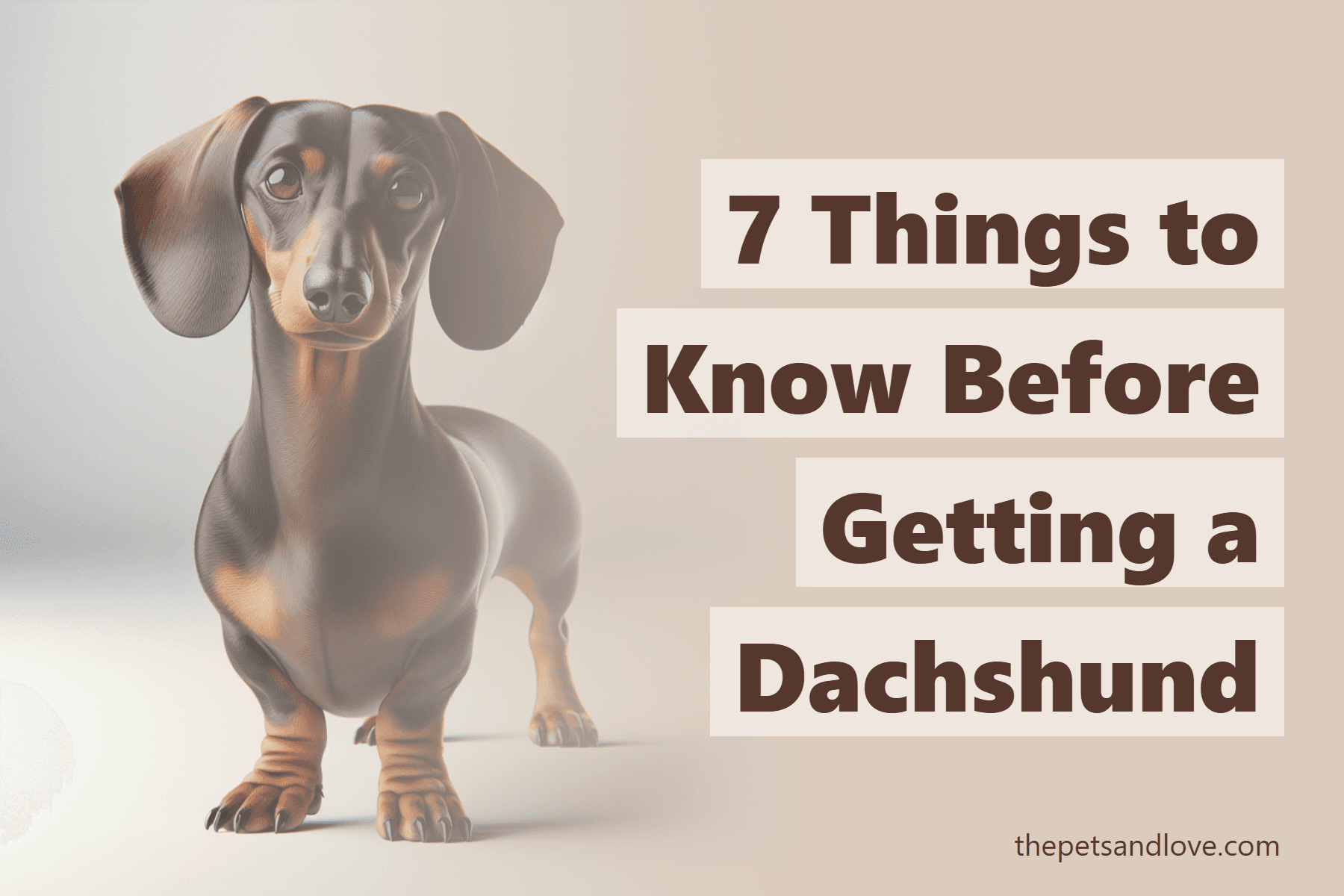
Thinking about getting a dachshund? You're not alone — but you've probably heard some mixed things.
Some people say they're fragile. Others swear they're impossible to train. And a few even joke they're not "real" dogs.
Here's the truth: dachshunds are spirited, surprisingly tough, and bursting with personality. But they're also not for everyone.
So before you fall for those puppy-dog eyes, here's what you really need to know about the "wiener dog."
16–20 yrs
How long a well-cared-for dachshund can live
1. They're Real Hunters in a Tiny Body
Let's start with the name. "Dachshund" literally means "badger dog" in German.
And yes — these little dogs were bred to go head-to-head with actual badgers underground.
So don't let the size fool you. Under that sausage-shaped body is a tenacious hunter with a strong chest, paddle-like paws for digging, and a nose that rivals much larger hounds.
“Those short legs aren't just cute — they're built for burrowing.”
Here's the interesting part: their short legs help them navigate burrows and track scent. And that famous long look? It's more about the short legs than a stretched-out spine.
Still, their back is their weak spot — and we'll come back to that in a moment.
Which brings us to the health question everyone asks...
2. Yes, They Have Dwarfism — And They're Still Healthy
Dachshunds were created by selectively breeding dogs with natural dwarfism. That's what gives them their trademark shape.
But here's the catch: that shape comes with a few health considerations, especially back problems like IVDD (intervertebral disc disease).
Now for the good news: modern breeding has come a long way, and back trouble is far from guaranteed.
With the right care, dachshunds can live long, happy lives — many reach 16 years, and some even hit 20.
3. They're Clever — Just Not Always Cooperative
If you're picturing a dog that hangs on your every command, a dachshund might test your patience.
They're smart — no doubt about it. But they're also stubbornly independent.
You might be wondering why. It goes back to that hunting heritage: they were bred to make decisions on their own underground, not sit and wait for instructions.
Training a dachshund the right way
- Stay consistentMixed messages confuse an already independent dog.
- Be patientPotty training in particular can take a while — don’t lose heart.
- Use plenty of treatsPositive rewards work far better than force with this breed.
Get through it, and you'll have a dog that's both clever and overflowing with character.
But what are they actually like to live with?
4. Social Butterflies — With the Right Upbringing
Dachshunds are often called "one-person dogs." But that label sells them short.
Raised with love and good socialization, they're affectionate with the whole household — kids included.
They can be a little wary of strangers and new pets at first. Early socialization is the fix.
Kids
GreatWonderful with children when raised together and handled gently.
Strangers
With careNaturally cautious at first — proper introductions help.
Other dogs
With careGet along well when introduced slowly and properly.
Cats & small pets
With careCan befriend cats, dogs, even birds — early intros are key.
The bottom line: socialize early and often, and a dachshund becomes a devoted family member.
5. They're Small, But They've Got Energy to Burn
Don't mistake those little legs for a couch-potato lifestyle. This breed is more active than most people expect.
They love to play, explore, and follow their nose — and they need daily exercise to stay happy.
One more thing: dachshunds love food. Maybe a little too much.
Regular exercise plus a watchful eye on portions keeps them slim — which also protects that vulnerable back.
6. Your Home Might Need a Few Tweaks
Because of their back sensitivity, a few small changes at home go a long way.
- Add ramps or pet stairs to beds and couches
- Discourage jumping on and off furniture
- Keep your dog at a healthy, slim weight
- Let an excited Doxie leap freely to greet you
Discouraging jumping is easier said than done with an excited dachshund. But it's absolutely worth the effort.
7. So Many Looks to Choose From
Here's a fun one: dachshunds come in three coat types — and a whole rainbow of colors.
Smooth
The classic sleek coat. The easiest of the three to groom.
Long-haired
Soft and flowing — a little more brushing, but still manageable.
Wire-haired
Rugged and scruffy, with signature bushy eyebrows and beard.
Grooming needs are refreshingly low overall. Even the long-haired ones won't take over your weekends.
They’re tough little hunters bred to face badgers. They just need care around their backs.
They’re very smart — just independent. Consistency and treats get the job done.
With good socialization they’re affectionate with the whole family, kids included.
Still have questions? Here are the ones new owners ask most.
Frequently Asked Questions
They can be, but they’re not the easiest choice. Their stubborn streak makes training slower, and their backs need extra care. If you’re patient and willing to learn, they’re endlessly rewarding.
With good care, weight management, and back protection, many live 16 years — and some reach 20.
They can be vocal. That hunting background makes them alert and quick to sound off, but consistent training helps keep the barking in check.
Yes, when raised together and handled gently. Just teach kids to support the dog’s back and avoid rough, jumpy play.
They can be. Introduce them slowly and early, and many dachshunds happily share a home with cats, dogs, and even birds.
Aim for two daily walks of about 30–40 minutes. Keep it steady and avoid excessive jumping to protect their backs.
For most owners it’s a tie between the slow, stubborn training and staying vigilant about back safety and weight.