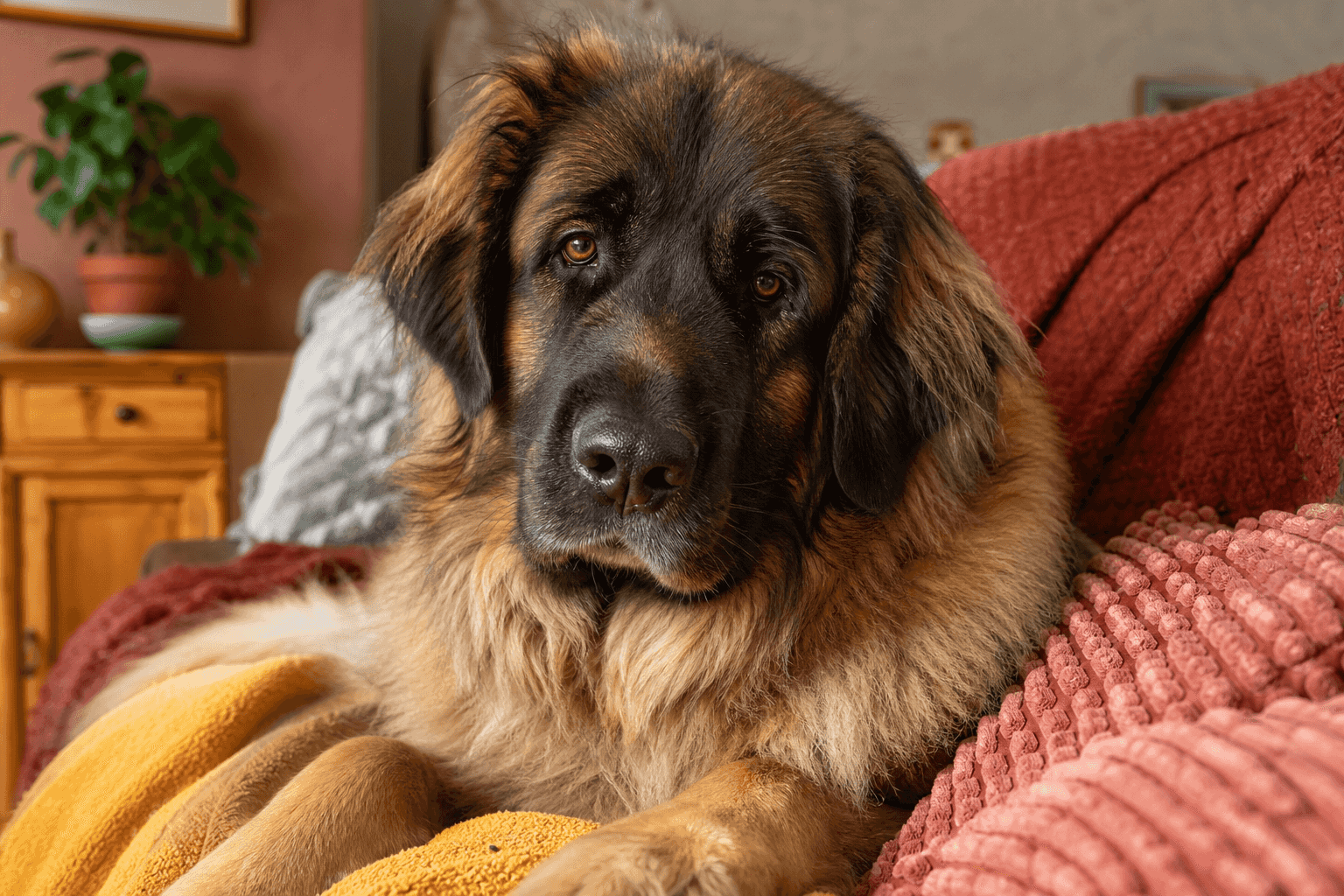
What a Leonberger Actually Costs You in the First Twelve Months
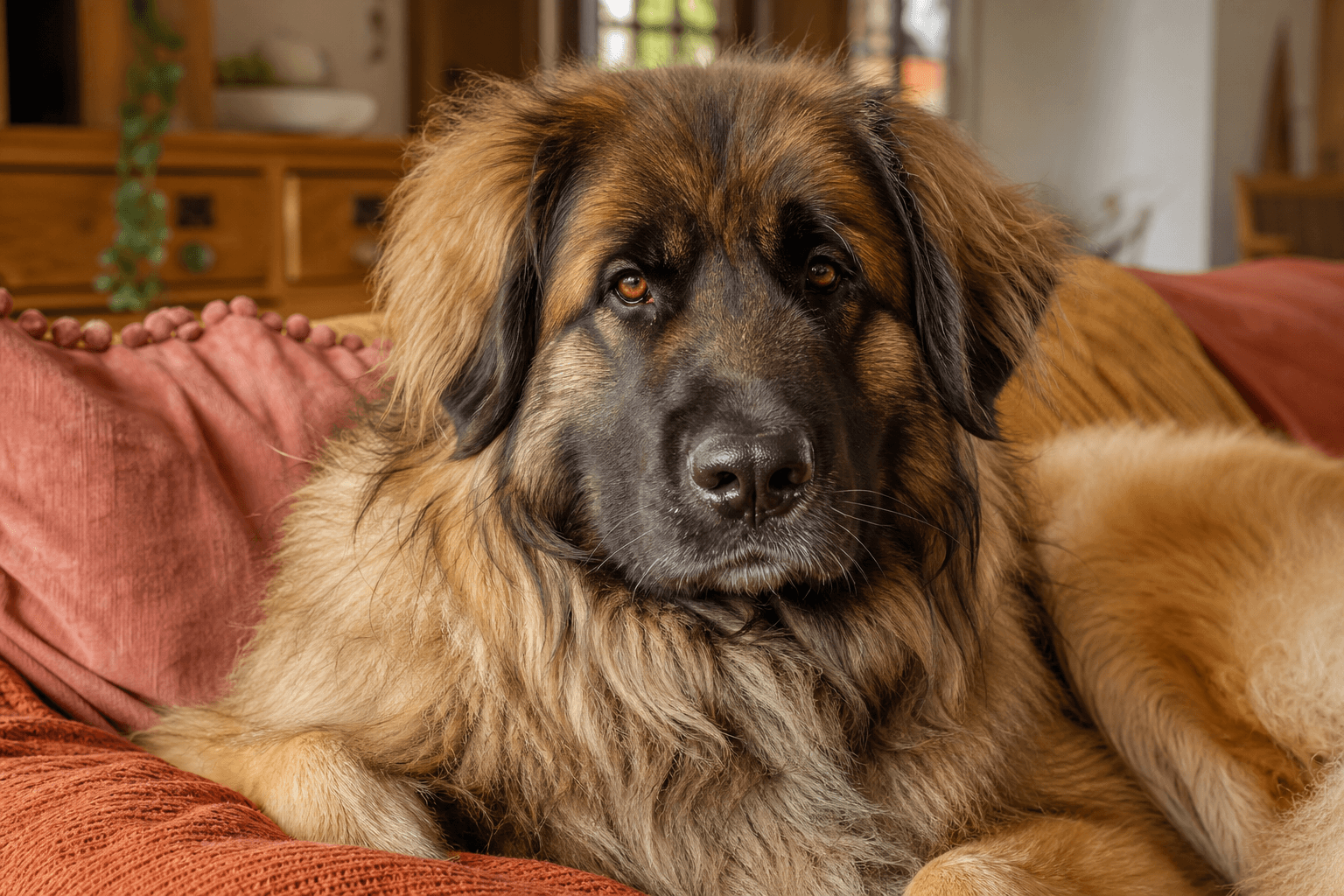
You love the gentle-giant thing. Same.
But Leonbergers scale everything up: the heart, the hair, and yes—the bill.
Here is exactly what the first 12 months really cost, line by line, so you can budget without surprises.
The Big Sticker Price: Purchase or Adoption
From a health-tested breeder, expect $1,500–$3,500 in most areas. That typically includes early vetting and first shots.
Adoption is rarer for this breed but possible through giant-breed rescues: $150–$500. You may inherit an adult, which shifts costs away from puppy classes but can add training or medical work-ups.
Setup Gear You Will Actually Use
Giant dogs outgrow gear fast. If you can, buy once and buy big—especially crates and beds.
Plan for a heavy-duty crate (often 54-inch), orthopedic bed, stainless bowls, wide harness, 6-foot leash, long line, brush and undercoat rake, nail grinder, poop bags, and a cargo-area cover. A realistic one-time setup is $500–$900 depending on quality and whether you find secondhand deals.
Food for a Fast-Growing Giant
Use a large-breed puppy formula with controlled calcium and calories to protect joints. Expect 4–6 cups per day of quality kibble at peak growth, tapering as your vet advises.
With today’s prices, most families spend $700–$1,200 on food in the first year. Add $100–$250 for training treats and safe, size-appropriate chews.
Vet Care, Vaccines, and Spay/Neuter
First-year vetting includes exams, core vaccines (DA2PP series and rabies), fecal tests, deworming, microchip, and preventatives for fleas, ticks, and heartworm.
Giant-breed spay/neuter often costs more due to anesthesia time and size. Many vets recommend waiting until skeletal maturity; talk timing with your vet so you can budget.
Typical first-year totals: routine care $250–$500, preventatives $200–$400, microchip and license $40–$100, and spay/neuter $500–$1,200 depending on sex and region.
Grooming and Shedding Management
Leonbergers have a dense double coat. Home brushing 3–4 times a week is non-negotiable if you want your vacuum to survive.
Pro baths and de-shedding every 8–12 weeks help a lot: $80–$150 per visit in many markets. First-year grooming plus tools usually lands between $250–$700.
Training and Socialization
A friendly giant still needs impulse control. Plan on at least one puppy class and one manners class: $300–$600 combined. If you add a couple of private sessions for leash skills, budget $160–$300 more.
Insurance and Emergency Buffer
Pet insurance for giants commonly runs $50–$100 per month for accident and illness coverage with a mid-range deductible. That is $600–$1,200 in year one.
If you self-insure, set aside a dedicated emergency fund. A single unexpected GI blockage or cruciate injury can cost several thousand dollars.
Real-Life Extras: Travel, Mess, and Replacements
Expect at least some boarding or pet sitting ($45–$90 per night), extra cleaning and yard waste supplies, and replacing harnesses and collars as your puppy sizes up.
Car protection, baby gates, and a bigger fan or cooling mat for hot months are common line items.
A Realistic First-Year Budget
Here is a mid-range example for a breeder puppy in an average-cost city. Adjust up or down for your area and choices.
Annual Cost Breakdown
| Expense | Annual Cost |
|---|---|
| Purchase from breeder | $2,500 |
| Initial supplies and setup | $700 |
| First-year vet exams and core vaccines | $350 |
| Spay/neuter (giant breed) | $800 |
| Microchip and license | $80 |
| Flea/tick and heartworm preventatives | $320 |
| Food (large-breed puppy kibble) | $950 |
| Treats and chews | $180 |
| Training classes (two group courses) | $400 |
| Grooming (three pro sessions + tools) | $450 |
| Pet insurance premiums | $900 |
| Boarding or pet sitting (7 nights) | $420 |
| Replacements/size-up gear | $180 |
| Cleaning and yard-waste supplies | $90 |
| Est. Annual Total | $8,320 |
If you adopt instead of purchasing from a breeder, your total could land closer to $5,500–$6,500 with similar care choices.
Smart Ways to Save Without Cutting Corners
Buy used on hard goods: crates, gates, and cargo covers are excellent secondhand finds. Sanitize and you are set.
Autoship food for discounts and reliability; mix in bulk-store toppers like plain canned pumpkin for variety without breaking nutrition.
Learn at-home grooming between pro visits: a good undercoat rake, dryer, and nail grinder pay for themselves in months.
Bundle training: many facilities discount when you book the next class before finishing the first.
FAQs
They eat more than medium breeds, but the quality of food matters more than raw volume. Plan roughly 4–6 cups a day at peak growth, then reassess with your vet as growth slows.
You can, but plan on frequent home brushing, occasional de-shedding tools, and a good dryer. Many owners still use a groomer every few months for a deep clean and coat blowout.
Giants face higher treatment costs and orthopedic risks. Insurance or a disciplined emergency fund protects you from four-figure surprises.
Discuss timing with your vet. Many giant breeds benefit from waiting until growth plates close, which can reduce certain orthopedic risks.