What a Cane Corso Actually Costs You in the First Twelve Months
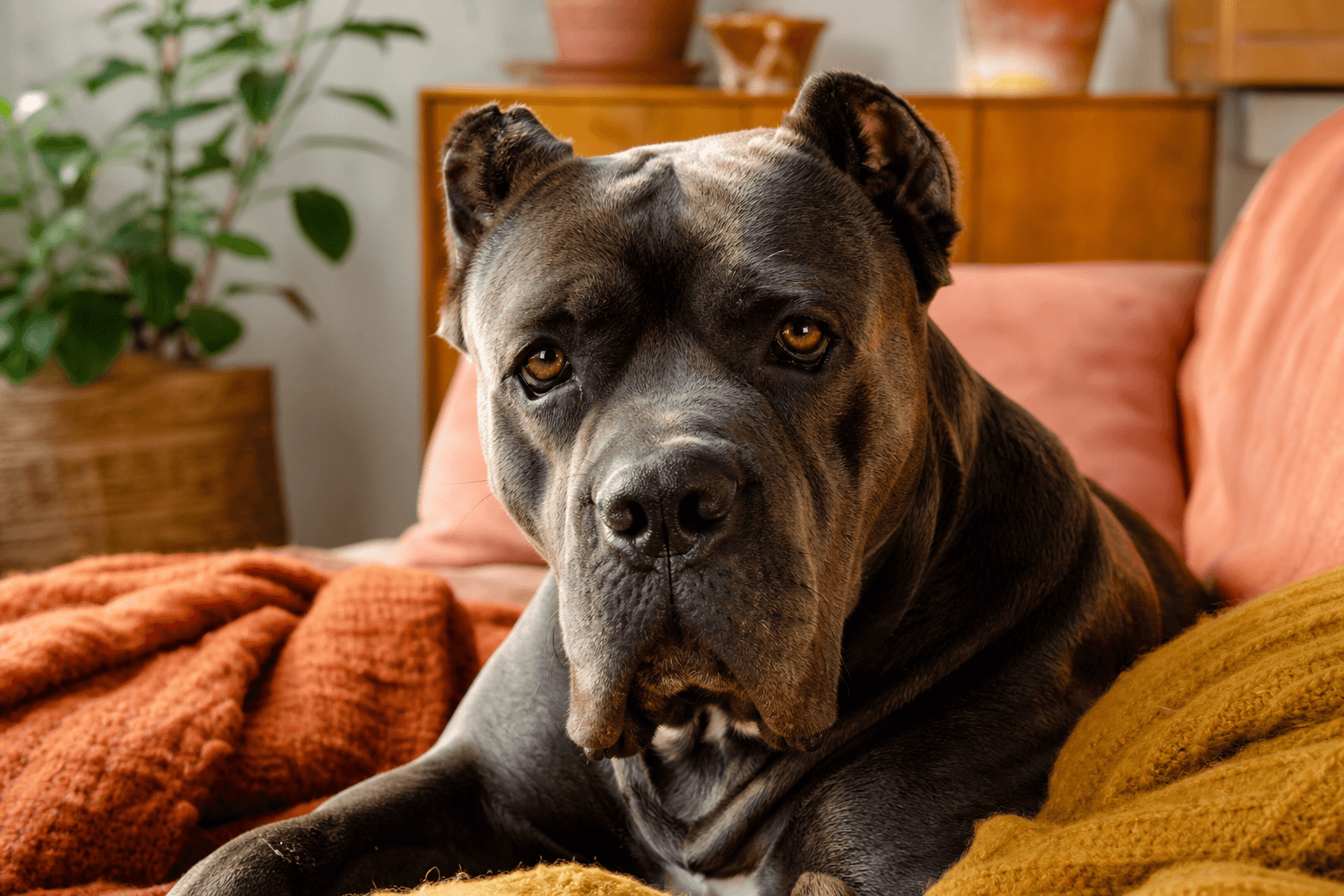
You love the Cane Corso look and temperament, but you also want the numbers before you commit.
Smart. Giant dogs concentrate costs in year one, and a few line items surprise almost everyone.
Here is the real first-year bill, where the money goes, and how to budget without cutting corners that matter.
The Big One: Purchase or Adoption Fee
From a health-tested, ethical breeder, a Cane Corso puppy typically runs 2,000 to 3,500 dollars depending on pedigree and region.
Shelter or breed-rescue adoption is usually 200 to 600 dollars and may include spay or neuter and initial shots, which shifts other costs down.
Either route, insist on health documentation for hips, elbows, and eyes; skipping this is how vet bills get ugly later.
First Vet Visits and Core Vaccines
Your first months include a wellness exam, deworming or fecal testing, and a puppy vaccine series through 16 weeks, then a rabies shot.
Plan roughly 250 to 450 dollars for the series in most areas, plus a baseline exam after adoption if records are thin.
Spay or Neuter and Microchip
For large breeds, many vets recommend waiting until growth plates are more mature, often closer to 12 to 18 months. That timing may push this cost into year two, so adjust your plan.
If it happens in year one, expect 400 to 800 dollars for a Cane Corso sized dog at a private clinic, plus about 50 dollars for a microchip if not already done.
Food for a Fast-Growing Giant
This is where big dogs flex the budget. You want a large-breed puppy formula to support steady growth, not rapid spurts.
At 4 to 8 cups a day depending on age and brand, expect about 80 to 130 dollars a month for quality kibble, plus some training treats.
We average this to around 1,200 dollars for the first year. If you go fresh or raw, double or triple it.
Training and Socialization Classes
A confident, stable Corso is made, not born. Group puppy class followed by basic manners is the best money you spend.
Two 6 to 8 week group courses usually land around 300 dollars total, plus a small fee if you test for CGC or a similar certificate.
Insurance vs. Savings
Pet insurance for giant breeds often runs 60 to 90 dollars per month for accident and illness with a moderate deductible.
If you skip insurance, commit to a separate savings bucket. A single emergency for bloat or a knee injury can cost several thousand dollars.
Preventatives and Routine Care
Heartworm prevention and flea or tick control are ongoing. Budget 25 to 45 dollars per month depending on products and weight, plus an annual heartworm test.
Add in nail care, ear cleaner, and a spring or fall checkup if your vet recommends it.
Grooming and Basic Gear
Short coat, big savings. Most Corsos only need occasional baths, a good rubber curry, and regular nail trims.
Initial gear stings a bit: XXL crate, bed, martingale collar, sturdy harness, 6 foot leash, long line, bowls, baby gate, and high value chew toys.
Quality matters here; cheap gear fails under a Corso’s power.
Replacing What They Outgrow and Destroy
Your elegant puppy will outgrow the first harness, blow through soft toys, and flatten the starter bed.
Plan a replacement round mid year as they hit adult size.
Travel, Boarding, and Pet-Sitting
Even homebodies get pulled away. Giant-friendly boarding or insured sitters can cost more due to handling requirements.
Set aside something for a long weekend or holiday rates so you are not scrambling.
Licenses, Permits, and Misc
City dog licenses, training tools like a well-fitted basket muzzle for vet visits, and poop bags all add up.
Check local rules; some municipalities have specific leash or containment requirements for guardian breeds.
Here is how those pieces typically stack up in dollars.
A Realistic First-Year Total
Below is a typical scenario for a responsibly bred puppy with insurance. If you adopt, your purchase and surgery lines may drop substantially.
Annual Cost Breakdown
| Expense | Annual Cost |
|---|---|
| Purchase from ethical breeder | $2,500 |
| Initial exams and core vaccines | $350 |
| Spay or neuter and microchip | $700 |
| Food and training treats | $1,200 |
| Training classes | $320 |
| Pet insurance (12 months) | $900 |
| Preventatives and tests | $460 |
| Grooming supplies or occasional bath | $150 |
| Crate, bed, harness, leash, bowls, toys, gates | $500 |
| Mid year replacements and upgrades | $250 |
| Boarding or pet-sitting (short trip) | $300 |
| Licenses and misc | $60 |
| Est. Annual Total | $7,690 |
Adoption path example: swap the 2,500 dollar purchase and 700 dollar surgery for a 400 dollar adoption that includes spay or neuter, and your total drops near 4,890 dollars, before any extras.