What to Think About Before Getting a White Swiss Shepherd Puppy
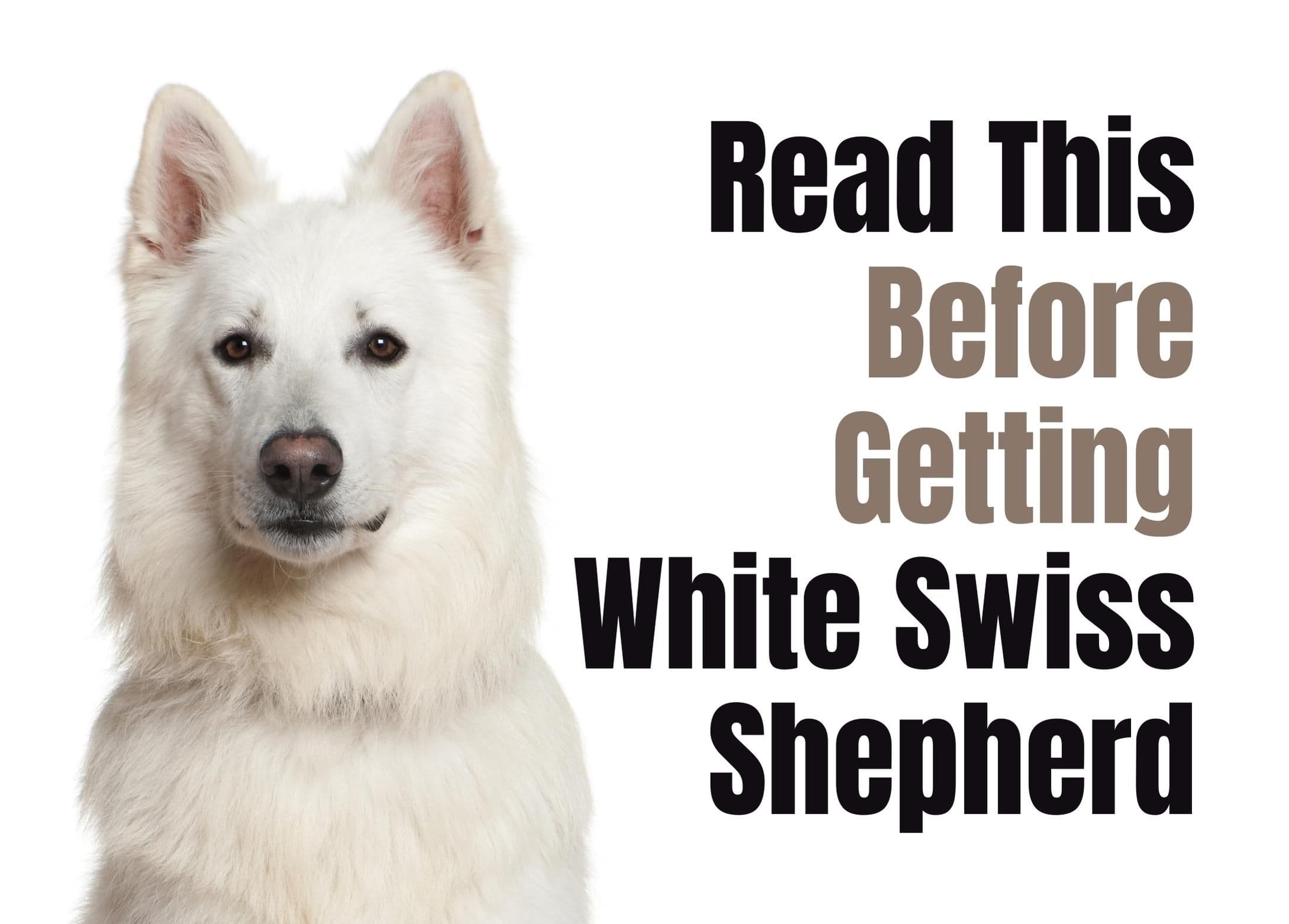
Thinking about bringing home a White Swiss Shepherd? You already sense it — this is a special dog. But before you fall for those soft eyes and that snowy coat, there are a few things you really need to know.
Here's the good news: these dogs are loyal, brilliant, and endlessly affectionate.
Here's the catch: they're also sensitive, high-energy, and they shed like it's their full-time job.
By the end of this guide, you'll know exactly whether a White Swiss Shepherd fits your life — or whether you'd both be happier with a different match.
We've spent a lot of time around working breeds like the German Shepherd and the White Swiss Shepherd. And while they look like cousins, their personalities are worlds apart.
Let's break down what life with one is really like.
First, let's clear up the biggest myth about this breed.
Calm, Loyal, and Sensitive — Not a Guard Dog
White Swiss Shepherds are constantly mistaken for white German Shepherds. But they're their own breed — with a much gentler heart.
Yes, they're alert. Yes, they'll bark when a car pulls into your driveway.
But here's where they differ: they're not aggressive, and they're not built for police or military work. They're sensitive souls who want to be with their people, not out on patrol.
They share ancestry, but the White Swiss Shepherd is a distinct, internationally recognized breed with a softer, more reserved temperament.
They’ll alert you, but their sensitive nature means they’re companions first, not protection dogs.
Once they feel secure, they’re deeply affectionate and loyal — sometimes to the point of not wanting to leave your side.
That sensitivity is the secret to their charm. It makes them incredibly loving.
But there's a flip side: it also makes them prone to separation anxiety.
“These dogs don't want to guard your home. They want to live in it, right beside you.”
That sensitivity shapes everything — including how you train them.
Smart and Eager — But Gentle Training Only
This breed is seriously clever. They pick up commands fast, shine in obedience and agility, and can even be trained as service dogs.
But here's the thing you can't ignore: they do not respond to harsh training.
Raise your voice or use an intimidating tone, and they'll shut down completely.
Training golden rules
- Keep it kindReward the behavior you want instead of punishing what you don’t.
- Start socializing earlyExpose your pup to new people, sounds, and places from day one.
- Keep sessions short and funTheir smart brains bore quickly — end on a win.
- Build confidence deliberatelyIntroduce new situations gently so shyness doesn’t become fear.
- Use treats, praise, and play as rewards
- Begin socialization in the first weeks at home
- Practice short, upbeat daily sessions
- Use a harsh or intimidating tone
- Skip early socialization and hope for the best
A smart dog with nowhere to burn energy is a recipe for trouble.
High-Energy Dogs Need Room to Move
Let's be honest: if you live in a small apartment and aren't very active, this probably isn't your breed.
White Swiss Shepherds need space and daily exercise. We're talking long walks, hikes, or real play sessions in a fenced yard.
Skip it, and boredom sets in fast — and bored Swiss Shepherds get destructive.
60+ min
of active exercise most days keeps this breed balanced and happy
Long daily walks
Two brisk outings a day beats one short lap around the block.
Hikes & adventures
They love joining active families on trails and weekend outings.
Fenced-yard play
Fetch and free running let them burn energy safely off-leash.
Brain games
Puzzle feeders and training drills tire out that clever mind indoors.
The takeaway? They're happiest with active families who want a dog to join in on all the adventures.
Now for the part that surprises new owners in the best way.
Great with Kids and Other Pets
Here's one of the best things about this breed: they're fantastic with children.
They're gentle, playful, and seem to instinctively know how to move around little ones without knocking anyone over.
They usually get along beautifully with other pets, too — especially when raised together.
Young kids
ExcellentGentle and careful, they happily join backyard games.
Older kids
ExcellentA patient, loyal playmate and companion.
Other dogs
Great with careEarly socialization prevents aloofness; aggression is rare.
Cats & small pets
GoodBest when raised together from a young age.
A little early socialization smooths over any shyness with unfamiliar dogs. Aggression is genuinely rare.
Their friendly nature really shines once they feel secure.
Now, about that gorgeous coat…
Grooming: Gorgeous Coat, Lots of Shedding
Let's talk fur. Because there's a lot of it.
These dogs have a stunning white double coat built for cold Swiss winters — and it sheds all year, not just seasonally.
You'll need a solid grooming routine and a genuinely good vacuum.
Can you guess?
How often should you brush a White Swiss Shepherd?
- Brush 3–4 times a week
- Trim nails regularly
- Clean ears and keep up dental care
- Bathe only when they get genuinely dirty
- Shave the double coat to reduce shedding
Beauty aside, here's what to watch for health-wise.
Health: Know What to Watch For
Like many purebreds, White Swiss Shepherds can be prone to a handful of health issues.
Knowing them in advance helps you choose the right breeder and catch problems early.
| Category | Rating |
|---|---|
| Hip & elbow dysplasia | ⚠️ |
| Bloat (gastric torsion) | 🚨 |
| Degenerative spinal issues | ⚠️ |
| Progressive Retinal Atrophy | ⚠️ |
| Overall longevity |
One more thing your neighbors will care about.
Barking and Noise Levels
Swiss Shepherds are naturally vocal, especially when they're excited or alerting you to something.
They're not as intense as some German Shepherds — but they're definitely not silent, either.
If you live in close quarters or have noise-sensitive neighbors, factor this in.
Quick poll
What would be your biggest challenge with this breed?
Let's answer the questions first-time owners always ask.
Frequently Asked Questions
They can be, but they’re not the easiest starter breed. They’re smart and eager to please, which helps, but their exercise needs, sensitivity, and grooming demands mean you’ll need time, patience, and commitment.
Not long. This breed is prone to separation anxiety and does best in homes where someone is around most of the day. Extended alone-time often leads to digging, chewing, and stress.
They’re moderately vocal — not as intense as some German Shepherds, but far from quiet. They bark to alert you and when excited. Training a “quiet” cue helps manage it.
Yes, they’re excellent with kids. They’re gentle, playful, and careful around little ones, often seeming to instinctively know how to behave.
Usually, yes — especially when raised together. Early socialization prevents aloofness with unfamiliar dogs, and outright aggression is rare.
For most owners, it’s the constant shedding and the need to keep them exercised and rarely alone. Meet those needs and you get an incredibly loyal companion in return.
Plan on at least an hour of active exercise most days — long walks, hikes, fenced-yard play, plus mental stimulation. Skimp on this and boredom turns destructive.
The Bottom Line: A Loving, Loyal Family Dog
Pros
Why you'll love them
- Gentle and fantastic with kids
- Highly intelligent and trainable
- Deeply loyal and affectionate
- Usually great with other pets
Cons
What to be ready for
- Heavy year-round shedding
- Prone to separation anxiety
- High energy and exercise needs
- Naturally vocal
If you want a gentle, intelligent, and deeply devoted dog, the White Swiss Shepherd is a wonderful choice — as long as you're patient and kind.
They do best in active households with room to roam and people around most of the time.
They're not low-maintenance. But the love and loyalty they give back? Absolutely worth it.
Just be ready for the fur. Lots and lots of fur.