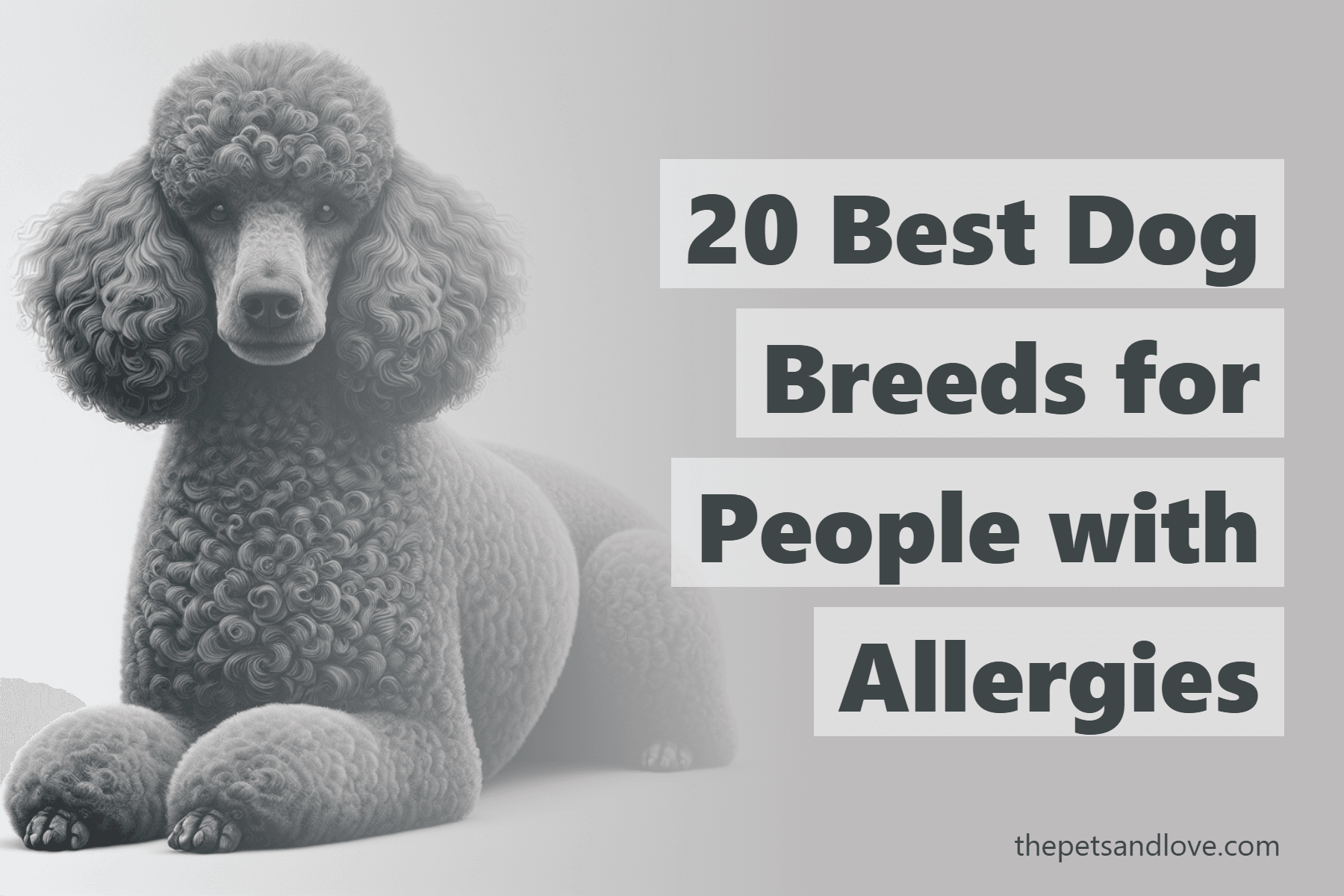
20 Best Dog Breeds for People with Allergies
You love dogs. Your immune system, unfortunately, disagrees.
Here's the good news: allergies don't have to end your dog dreams. They just mean you need to choose smarter.
No dog is truly 100% hypoallergenic — but some breeds are dramatically easier to live with if you're prone to sneezing, itching, or watery eyes.
In this guide, you'll find 20 allergy-friendly breeds real owners love, plus the practical habits that make sharing a home with a dog actually livable.
Why Dogs Trigger Allergies in the First Place
Here's the surprise: it's usually not the hair.
Most pet allergies are actually a reaction to dander (tiny flakes of skin), saliva, and urine proteins — not fur itself.
So what does this mean for you? Breeds that shed less spread less dander around your home. Fewer loose hairs floating through the air means fewer proteins landing in your eyes and nose.
Now let's meet the dogs that make it possible.
20 Allergy-Friendly Breeds Worth Considering
These breeds share one thing in common: they either have hair instead of fur, shed very little, or produce less dander.
Let's break them down by category.
Poodle (all sizes)
A classic for good reason. Curly coats trap dander instead of releasing it into the air. Just be ready for regular grooming — that coat needs work.
Bichon Frise
They look like sneeze machines but are surprisingly allergy-friendly. Their undercoat traps loose hair and dander, and they’re small and manageable.
Portuguese Water Dog
Energetic, loyal, and curly-coated like a Poodle. Great for active families, but brush regularly to prevent matting.
Lagotto Romagnolo
Originally truffle hunters, these medium dogs have dense, curly, non-shedding coats — and they’re seriously affectionate.
Schnauzers (all sizes)
Miniature, Standard, and Giant are all low shedders with wiry coats. Strong personalities, but very trainable and loyal.
Soft Coated Wheaten Terrier
Silky, flowing coats that shed little, plus a sweet nature. Daily grooming keeps allergens down.
Prefer something with little to no coat at all? These next few skip the fur almost entirely.
American Hairless Terrier
Just skin with a little peach fuzz — and plenty of classic terrier energy.
Xoloitzcuintli
The ancient Mexican Hairless. No coat, great for sensitive owners, and available in toy, mini, and standard sizes.
Peruvian Inca Orchid
Elegant, affectionate, and hairless — perfect if you want something genuinely unique.
Chinese Crested
Comes in hairless or powderpuff varieties. Both are allergy-friendly with quirky, lovable personalities.
And if you don't mind a bit more grooming, these coated breeds round out the list.
Coton de Tulear & Maltese
Small, gentle, low-shedding lap dogs. Their long coats need regular care, but they’re cuddly and sweet.
Afghan Hound
A glamorous sighthound that’s surprisingly low on allergens thanks to its fine, silky coat — if you’re up for the grooming.
Bedlington Terrier
Lamb-like looks and a non-shedding, curly coat. Both stylish and sneeze-safe.
Wire Fox & Kerry Blue Terrier
Both shed very little and bring sturdy, active temperaments — great for families.
Irish Water Spaniel & Spanish Water Dog
Tight, curly coats that shed minimally — ideal for allergy-conscious households.
Quick poll
Which type of allergy-friendly dog appeals to you most?
Let's zoom in on the breeds that consistently win people over.
Why These Breeds Actually Work
Two names come up again and again in allergy-friendly conversations. Here's why.
“Poodles don’t just shed less — their curly coats physically trap dander before it ever reaches the air you breathe.”
The Poodle's real superpower isn't the lack of shedding alone. It's that the tight curls hold onto loose hair and skin flakes until you brush them out.
But there's a catch: that same coat needs consistent grooming, or it mats fast.
| Category | Rating |
|---|---|
| Low shedding | |
| Grooming needs | |
| Trainability | |
| Family friendly |
Choosing the right breed is only half the battle.
How to Actually Manage Allergies at Home
Even the perfect breed won't help if your home is a dander trap.
Here's what helps allergy-prone owners live comfortably with a dog.
- Brush your dog regularly — or have a groomer do it
- Bathe them often with a mild, dog-safe shampoo
- Vacuum frequently, ideally with a HEPA filter
- Wash bedding and dog gear on a regular schedule
- Run an air purifier in the rooms you use most
- Assume any breed is truly 100% allergen-free
- Let your dog sleep in your bed if allergies are severe
The three habits that matter most
- Groom consistentlyLess loose hair and dander means fewer reactions. This is your biggest lever.
- Keep the home cleanHEPA vacuuming and air purifiers genuinely reduce airborne allergens.
- Have an exit planIt’s hard to think about, but line up someone who can take the dog — or a breeder or shelter return option — so you always do right by the dog.
But what about all those doodle mixes everyone raves about?
What About Doodles and Designer Mixes?
You've probably heard the hype around Labradoodles and Maltipoos.
Many allergy sufferers do great with these mixes — especially when one parent is a Poodle or another low-shedding breed.
Not true. Genetics are unpredictable, and coat type can vary even within the same litter. Some doodles inherit the shedding parent’s coat and trigger just as many reactions.
Even hairless breeds produce dander, saliva, and urine proteins. They shed far less hair, which helps — but they aren’t allergen-free.
Coat length matters less than shedding and dander. Some long-coated breeds like the Afghan Hound and Maltese are surprisingly allergy-friendly.
Frequently Asked Questions
No. Every dog produces some dander, saliva, and urine proteins. The breeds on this list simply release far fewer allergens, which can make a big difference for sensitive owners.
They often do, because there’s little to no shedding hair carrying dander around your home. But they still produce dander and saliva proteins, so no breed is a guaranteed fix.
Many people do well with them, especially when a parent is a Poodle. But coat type varies within litters, so results aren’t guaranteed. Always spend time with the specific dog first.
Some people find their symptoms ease as their immune system adjusts. It’s possible, but not reliable — never plan on it. Keep a backup plan in case things don’t improve.
Consistent grooming. Regular brushing and bathing remove loose hair and dander before they spread, which addresses the root of most reactions.
If your allergies are moderate to severe, yes. A doctor can help you understand your triggers and whether living with a dog is realistic for you.