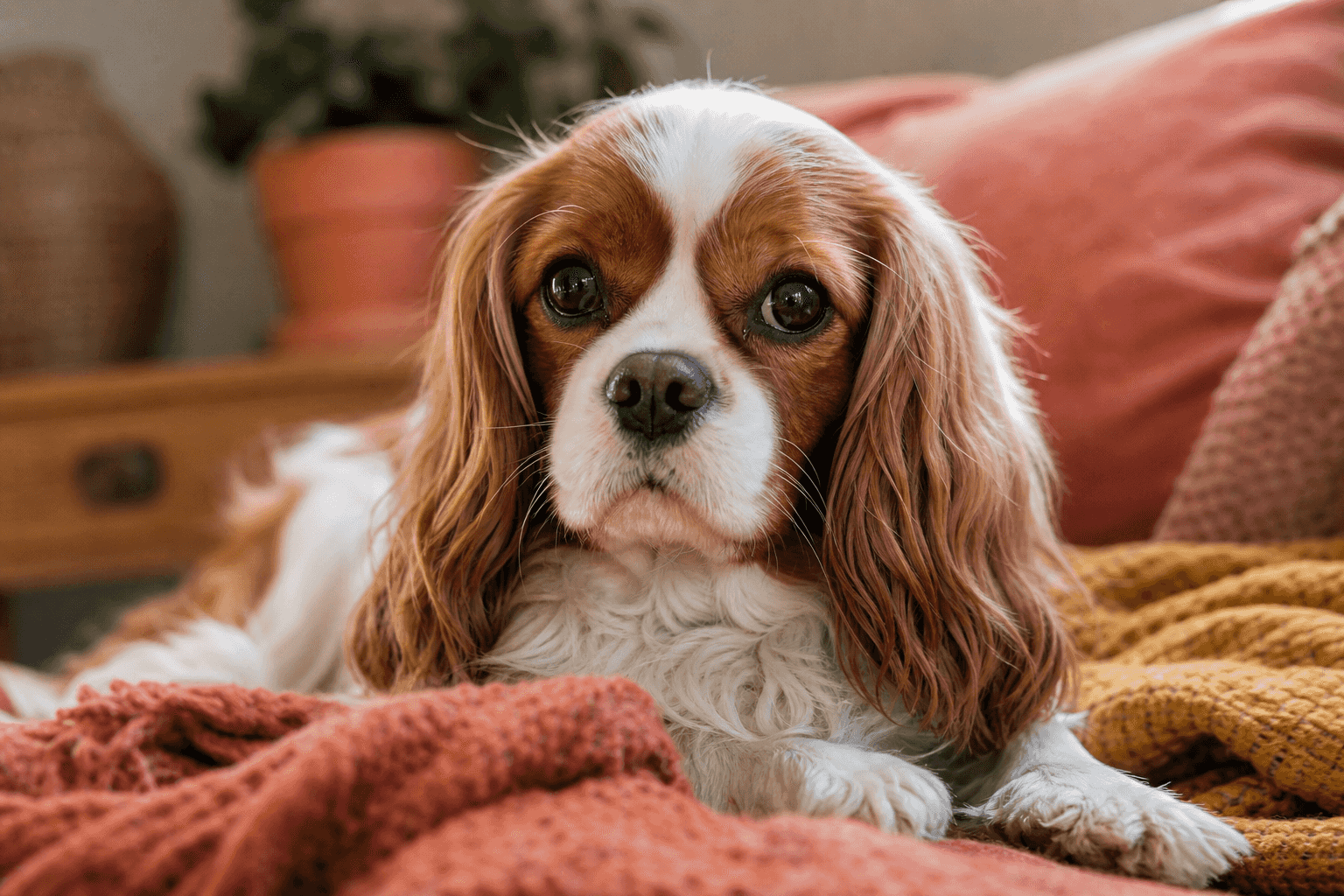
The Complete New Yorkie Poo Puppy Checklist for Your First 48 Hours
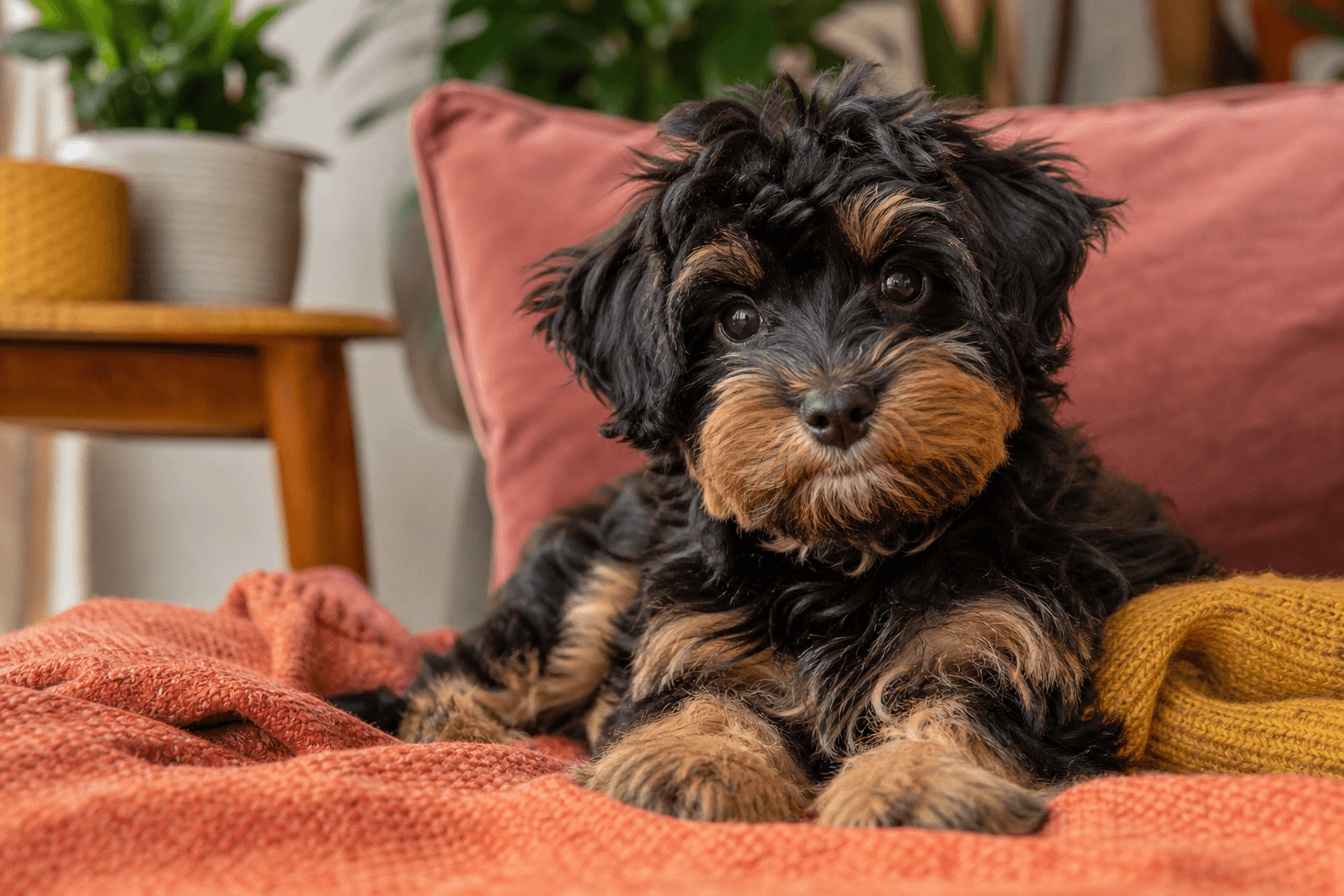
You made it — your Yorkie Poo is coming home, and the next 48 hours will set the tone for happy years together.
Here is the exact, no-fluff checklist we use on day one and two so you and your pup feel calm, cozy, and confident.
Follow these steps in order, and you will avoid most newbie headaches.
Create a Safe Space
Before pickup, set up one calm "home base" — a crate or playpen in a quiet room away from foot traffic and drafts.
Use a crate just big enough to stand up, turn, and lie down; add a washable pad, a small blanket, and a safe chew.
With the landing zone ready, gather the gear you will reach for all day long.
Stock the Essentials
Sized-right crate + playpen
Yorkie Poos are tiny; oversized spaces can slow potty training. Use dividers if needed.
Food + training treats
Start with the exact food your pup has been eating to avoid tummy upsets; pea-size soft treats for wins.
Harness, 4–6 ft leash, ID tag
Toy breeds do best on a harness to protect the trachea; add a temporary ID with your phone.
Puppy pads + cleanup
Enzymatic cleaner, poop bags, paper towels. Mistakes happen; erase the scent.
Bowls + water plan
Shallow, non-slip bowls; offer fresh water often in small amounts the first day.
Chews + comfort toys
Soft toys and a single-ingredient chew to redirect nipping and ease settling.
Feeding Plan for a Tiny Tummy
Yorkie Poos are small and can be prone to low blood sugar if meals are erratic.
For the first 48 hours, feed the same brand and schedule as the breeder or rescue, usually 3–4 mini meals spaced 3–4 hours apart.
- Measure portions; tiny dogs gain or lose fast.
- Offer water often, but not huge gulps right before bed.
- If switching foods later, do it gradually over 7–10 days.
Potty Success From Hour One
Carry your pup to the potty spot the moment you get home, after naps, play, and meals — then every 45–60 minutes.
Stand still and quiet; the instant they go, mark it with a happy yes and a tiny treat right there.
- Use one outside spot (or one pad location) to build a strong cue.
- Accident? Blot, clean with enzyme, and move on — no scolding.
Night-One Sleep Game Plan
Crate by your bed helps most Yorkie Poos settle faster because they can hear you breathe.
Last potty break, dim lights, white noise, then straight into the crate. If they fuss, wait for a pause before soothing quietly.
- Plan one middle-of-the-night potty for very young pups.
- In the morning, open the crate and go straight to the potty spot before cuddles.
Health Checks and First Vet Steps
Do a gentle head-to-tail once-over: clear eyes, clean rear, no coughing, normal energy, normal stools.
Confirm vaccination dates and deworming; most puppies are mid-series and not fully protected yet.
- Book your intake vet exam within 48–72 hours of arrival.
- Keep outings on the ground minimal until vaccines are complete; carry them in high-traffic pet areas.
Bonding and House Rules
You set the culture now. Keep the day calm, predictable, and full of easy wins.
- Introduce 1–2 rooms only; gates are your friend.
- Decide on couch/bed rules and stick to them from day one.
- Trade chews for toys to prevent guarding; no yanking items from tiny jaws.
- Crate is den, not a timeout box
- Free roam on day one
- Short play, then nap — repeat
- Rough-and-tumble with kids
Micro-Training That Actually Sticks
Think 60-second sessions sprinkled through the day.
- Name game: say their name once; when they glance, treat.
- Hand target: present your palm; when they boop it, treat. Great for recalls later.
- Sit at doors and before food — teach patience without nagging.
Grooming Starter: Coat, Ears, Teeth
Yorkie Poo coats vary from wavy to curly and can mat fast in friction zones: collar line, armpits, behind ears.
In the first 48 hours, introduce a soft slicker brush and a metal comb for 30 seconds, treat, and stop. We are teaching that grooming predicts good things.
- Check ears for odor or redness; toy mixes can be prone to build-up.
- Touch teeth and lips briefly; pair with a taste of dog-safe toothpaste later this week.
Safe Socialization in 48 Hours
Start with sights and sounds, not dog parks.
- Play audio of traffic, thunder, doorbells at low volume during mealtime.
- Meet 2–3 calm humans at home; let the puppy approach and retreat freely.
- Car rides: short and sweet, in a secured crate or booster.
Red Flags to Watch For
Call your vet if you see any of these in the first two days.
- Refusing all food for 12 hours, repeated vomiting, or watery diarrhea
- Labored breathing, persistent coughing, blue-tinged gums
- Listlessness that does not lift after a nap or snack
Paperwork and Records
Snap photos of all records and save them in a cloud folder: microchip number, vaccine dates, deworming, spay/neuter status, breeder or rescue contract.
Order ID tags and register the microchip immediately with your contact info.
Rule of thumb is age in months plus one hour, but tiny pups may need a break every 3–4 hours. Set an alarm for one quick potty trip.
Not by default. Stick with the current food for stability, then discuss options with your vet. Small-breed puppy formulas with appropriate calcium and calories are key.
Until vaccines are complete, stick to healthy, fully vaccinated adult dogs in controlled settings and avoid high-traffic dog areas.
Toy mixes can have delicate tracheas; a well-fitted harness reduces pressure on the neck during training and startle moments.
A lot — 18–20 hours in the early weeks. Protect naps to prevent overtired zooms and nipping.