The Complete New Shih Poo Puppy Checklist for Your First 48 Hours
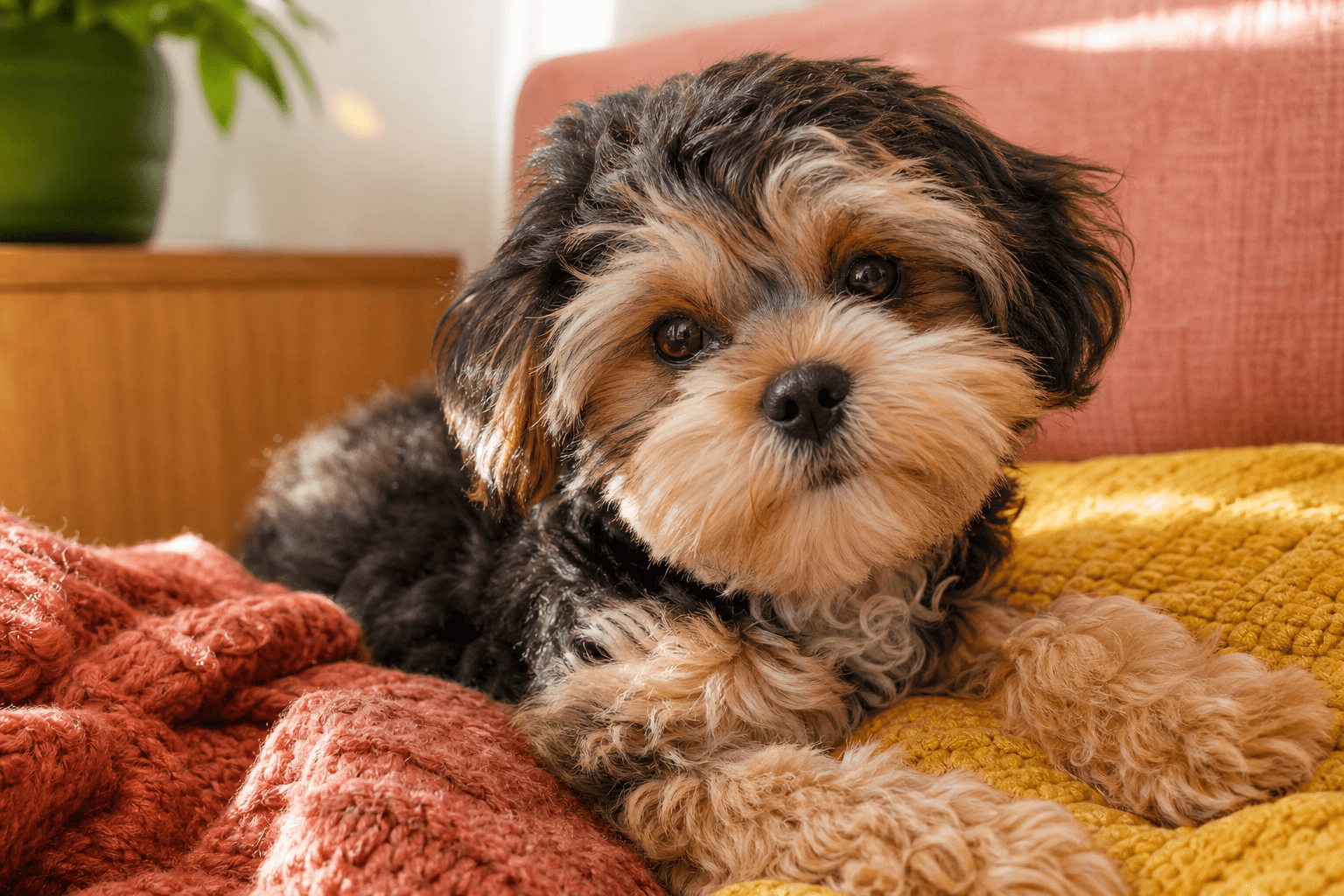
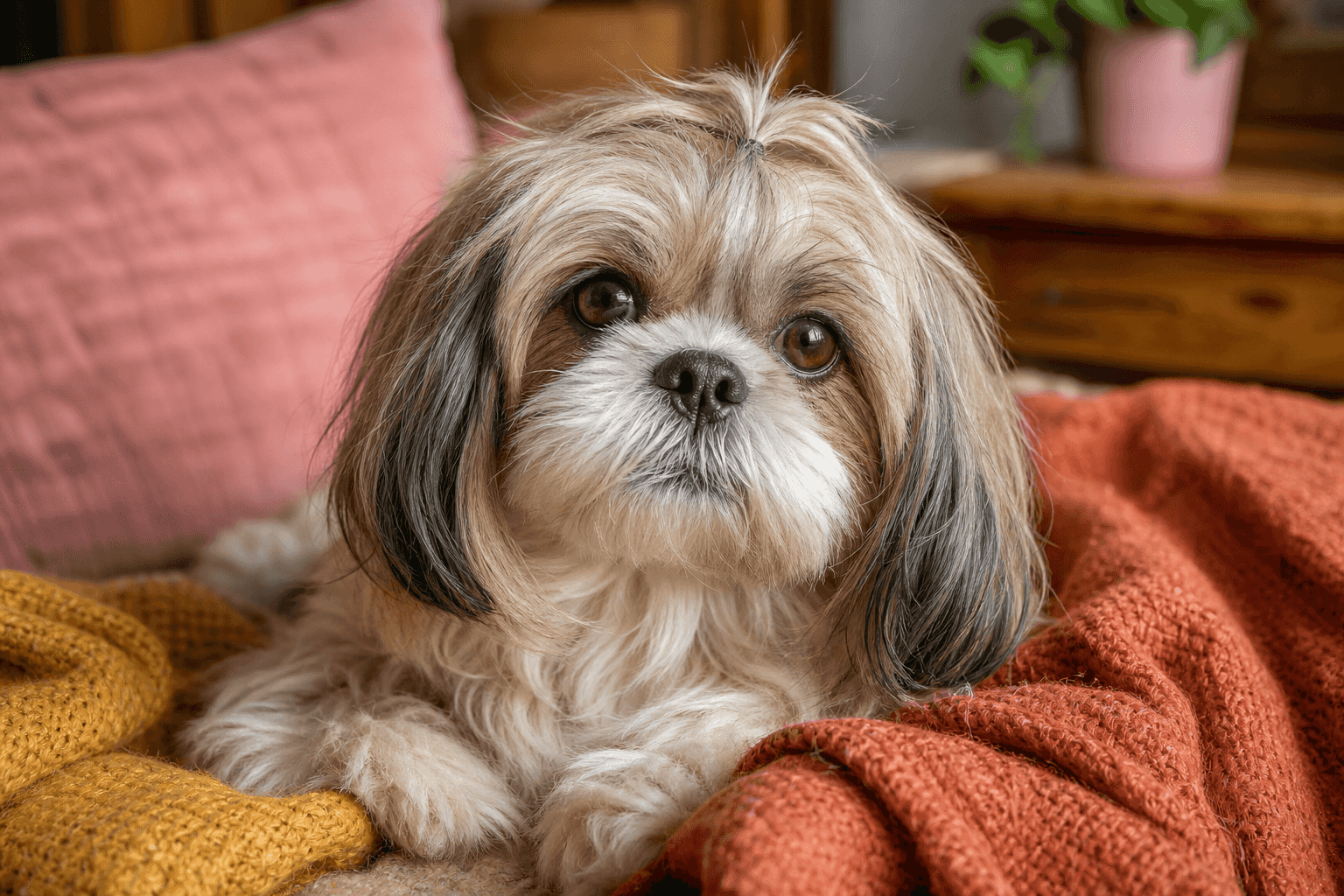
You brought home a Shih Poo—congrats! Those button eyes and bouncy curls are about to take over your heart and your schedule.
The first 48 hours set the tone. Here is the fast, no-fluff checklist we use to keep new Shih Poo puppies safe, calm, and on a routine from day one.
Skim the table, follow the steps, and enjoy your weekend with fewer surprises.
What To Do Before Pickup
Confirm the puppy’s current diet, feeding times, last meal, medicines, and vaccine record with the breeder or shelter. Snap a photo of the food bag.
Puppy proof one room: remove cords, elevate plants, block under-couch gaps, and place an exercise pen around the area you will actually use.
Set up a crate with a flat mat and a light blanket draped over three sides to make a cozy den. Add a safe chew toy only.
Arrival Home
Carry your Shih Poo straight to the designated potty spot before going inside. Calmly wait two to three minutes.
Keep greetings low-key. Let them explore a small, penned area, not the whole house. Offer water and a potty break again after ten minutes.
Food and bathroom predictability come next
First Meal and Feeding Plan
Feed the same food and schedule they had yesterday to prevent tummy upset. For toy mixes like Shih Poos, small, frequent meals prevent energy dips.
- Under 12 weeks: 4 small meals spaced 3 to 4 hours apart.
- 12 to 16 weeks: 3 meals per day.
Use a shallow ceramic or stainless dish. Fresh water always available.
Potty Plan: Day One
Take them out immediately after waking, after eating, after play, and every 60 to 90 minutes while awake.
Stand still, same spot, quiet praise the moment they finish. If nothing happens, try again in ten minutes.
Accidents indoors get zero drama. Interrupt gently and move to the spot; clean with an enzymatic cleaner.
Crate and First Night Sleep
Place the crate in your bedroom within arm’s reach. Night one is about reassurance, not perfection.
Last potty at bedtime, no big drinks after. If they fuss, offer a finger to sniff, a calm shush, and wait. If crying persists, quick potty break and back to bed.
Set an alarm for one middle-of-the-night potty if your puppy is under 12 weeks. Quiet out, quiet in.
Health Check and Safety
Do a gentle nose-to-tail glance: clear eyes, clean bottom, pink gums, no bloated belly, no coughing or sneezing fits.
Limit visitors and skip dog parks until your vet confirms vaccine status. Keep play sessions five to ten minutes with rest in between.
Secure a safe zone when you shower or cook. Shih Poo curiosity and hardwood floors are a slippery combo.
Bonding and Gentle Training
Trade chaos for calm structure. Name, come, and sit can all start this weekend with food lures and soft praise.
Short hand-feeding moments build trust and bite inhibition. Chew needs are real; rotate two to three vet-approved chews to protect your shoes.
Handle paws, ears, and mouth for two seconds at a time, treat, and release. That is how you win future grooming sessions.
Supplies Checklist
Sized-right crate
Just big enough to stand, turn, and lie down. Divider panel if it is a grow-with crate.
Exercise pen or baby gates
Control the world to control accidents and chewing.
Food and water setup
Shallow bowls, current food, measuring scoop; add slow-feeder insert for gulpers.
Bedding and cleaning
Washable mat, extra blankets, enzymatic cleaner, pee pads as backup not primary.
Collar, harness, leash, ID
Lightweight Y-harness, flat collar with tag, 4 to 6 foot leash.
Health and grooming
Puppy toothbrush, slicker brush, comb for mats behind ears and under legs.
Enrichment
Two puzzle feeders, two soft toys, one rubber chew; rotate daily.
Safety
Playpen floor grip, cord covers, trash can with lid.
Put it all on a simple clock so you can relax
Schedule for 48 Hours
- 7:00 — Outside potty, then breakfast.
- 7:30 — Calm explore in pen, short play, brush two strokes.
- 8:15 — Potty, then crate nap with a safe chew.
- 10:00 — Potty, training two minutes of name and sit, snack.
- 12:00 — Lunch, potty, quiet cuddle, nap.
- 2:30 — Potty, gentle play, handle paws and ears, nap.
- 5:00 — Dinner, potty, short walk or backyard sniff if vaccines allow.
- 7:30 — Potty, low-key play, settle time.
- 9:30 — Last potty, lights down, white noise on, crate in bedroom.
- Tiny, frequent meals for toy-size pups the first weeks
- Visitors and busy outings on day one
- Free roam of the whole house
- Same potty spot and simple, consistent cues
- Swap foods immediately without a transition
Red Flags: Call the Vet
Refusing all food for 12 hours, repeated vomiting or diarrhea, hard belly, labored breathing, collapse, or gum color that is pale rather than healthy pink needs professional advice now.
Bring vaccine records to your first appointment and ask about parasite prevention sized for toy breeds.
Follow the bag for weight and age, then split into 4 small meals under 12 weeks or 3 meals by 12 to 16 weeks. Adjust if ribs feel too sharp or the belly looks bloated. Your vet can confirm portions at the first visit.
After your vet confirms the vaccine series is on track. Safe, vaccinated, puppy-friendly dogs in controlled settings are fine in short sessions. Avoid dog parks and pet store floors until fully vaccinated.
Choose a crate that lets your puppy stand, turn, and lie down comfortably. Use a divider so the space grows with them and does not encourage corner pottying.
Use as a backup for apartments or overnight, placed near the door and reduced over time. Outdoor potty habits are faster to solidify if pads are not the main plan.