The Complete New Cockapoo Puppy Checklist for Your First 48 Hours
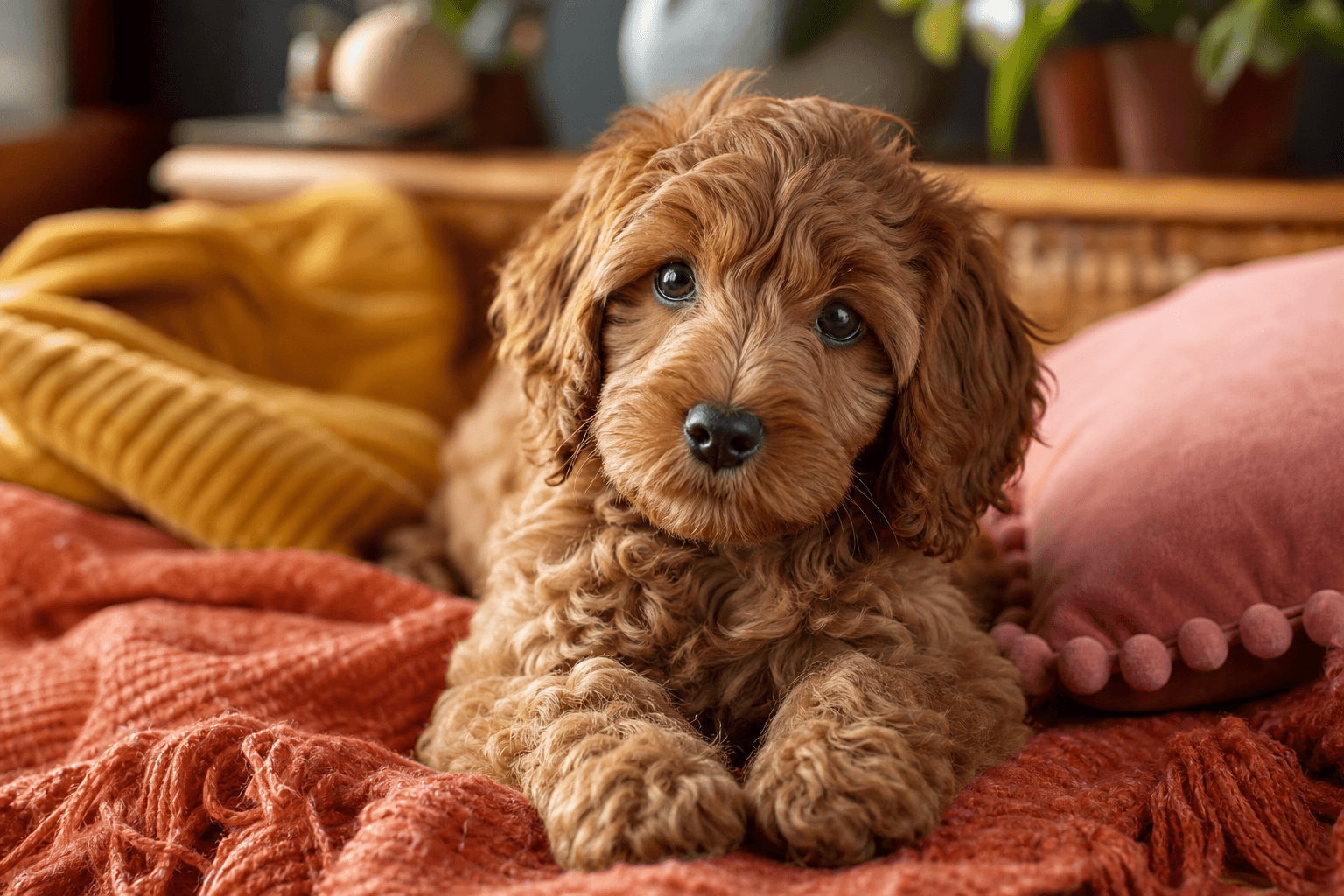
You just said yes to a Cockapoo puppy and the countdown is real.
These first two days set the tone for house training, sleep, and stress-free bonding.
Here’s the no-drama checklist we actually use with new pups — simple steps, smart gear, and a gentle schedule that works.
Set Up Before Pickup
Decide your puppy’s world before they walk in: one calm room, a crate, and a small playpen area with easy-clean flooring.
Have enzyme cleaner, paper towels, a couple of soft toys, a chew, and training treats ready at arm’s reach.
Place the crate where you relax, not in a noisy hallway. Cockapoos crave company and do best when they can see you.
Puppy-Proof the Zones
Crouch to puppy eye level and look for cords, dangling plants, shoes, and tiny swallowables.
Block stairs and tuck away electric cables; we use cord covers and baby gates.
The first minutes home shape the first weeks
The Ride Home
Seat-belt the crate or have a passenger hold the puppy in a travel-safe carrier.
Keep it boring: low voices, window cracked, no food if the ride is under an hour to prevent carsickness.
First stop at home, carry them to the potty spot before stepping inside.
Potty Plan From Minute One
Pick one outdoor spot with a cue word like “toilet.” Stand still and quiet; reward the instant they finish with a tiny treat and praise.
At 8–12 weeks, expect outside every 45–90 minutes, plus after play, naps, meals, and waking.
Indoors, use a playpen with bed on one side and potty pad only if you truly need it — consistency outdoors speeds training.
First Meals and Water
Feed the same food and schedule the breeder used for at least 3–5 days. Sudden switches cause tummy upset.
Offer two to three small meals spaced 4 hours apart on day one; Cockapoos are typically happy eaters but can stress-skip a meal the first night.
Fresh water always available, then pick it up 1.5–2 hours before bedtime to help the night go smoother.
Crate and First Night
Crate = cozy den, not a timeout. Use a soft bed, safe chew, and the scented blanket from the breeder.
Place the crate by your bed the first night so you can hear potty cues and reassure with a finger wiggle and soft shushing.
Expect 1–2 overnight potty breaks. Quietly carry out, cue, reward, and straight back to bed — no play.
Health, Records, and Vet Timing
Before you leave the breeder, take a photo of vaccine dates, deworming, microchip number, and the food brand.
Book a vet wellness exam within 2–5 days to establish care and plan the vaccine schedule.
Normal first-48 changes include soft stool, extra naps, and mild clinginess. Keep the day calm.
Micro-Training That Matters
Keep sessions 1–2 minutes. Reward their name, a hand target, and a simple sit offered naturally.
Teach alone-time in tiny doses: crate door open while you drop a treat, then close for 10–30 seconds, and release before whining escalates.
Start bite inhibition by swapping your hand for a chew when nibbling starts. Consistency beats volume.
Socialization in the First 48
Socialization is about experiences, not chaos. Let them watch the world from your arms or yard: bikes, strollers, different surfaces, and gentle handling of ears, paws, and tail.
One or two trusted visitors are plenty. Keep greetings low and let the puppy approach first.
A Simple 48-Hour Schedule
Think short cycles: potty, play, train, rest — repeat.
- 6:30–7:00: Wake, potty, breakfast, gentle play.
- 8:00: Potty, nap in crate near you.
- 9:30: Potty, 2-minute training, play, chew.
- 11:00: Potty, lunch if doing 3 meals, quiet time.
- 1:00: Potty, explore one new surface or sound.
- 3:00: Potty, play, short car sit in driveway to normalize rides.
- 5:30: Potty, dinner, calm play.
- 7:30: Potty, cuddle, bedtime routine.
- Bedtime: Out one last time; lights low. Overnight potty as needed.
Red Flags to Watch For
Call your vet if you see repeated vomiting, bloody diarrhea, refusal to drink, labored breathing, or lethargy that sleep doesn’t fix.
It’s better to ask early than worry late — puppies can slide fast.
- Set up crate, playpen, bowls, and a chew before pickup
- Carry puppy straight to the potty spot on arrival
- Offer too many visitors and wild play on day one
- Match breeder food and schedule for the first few days
- Leave water down right up to bedtime
- Use the crate near your bed the first night
- Take puppy to dog parks or pet stores before vaccines
- Reward potty immediately, then go back inside calmly
Every 45–90 minutes at first, plus after waking, playing, chewing, and eating. Short, frequent trips with instant rewards make the habit stick.
Choose a crate that allows standing up, turning around, and lying stretched out, with a divider to shrink the space while they grow. Too much room can slow house training.
Set one gentle alarm 3–4 hours after bedtime for the first night or two. If they wake sooner and cry consistently, take them out quietly, then back to bed.
After the first 3–5 days, transition over 7–10 days: 25 percent new, then 50 percent, 75 percent, and finally 100 percent to protect the gut.
Think mental over miles: short play bursts, sniffing, training games, and safe exploration. Avoid forced runs and stairs to protect growing joints.