8 Things to Know Before Owning a Toy Manchester Terrier
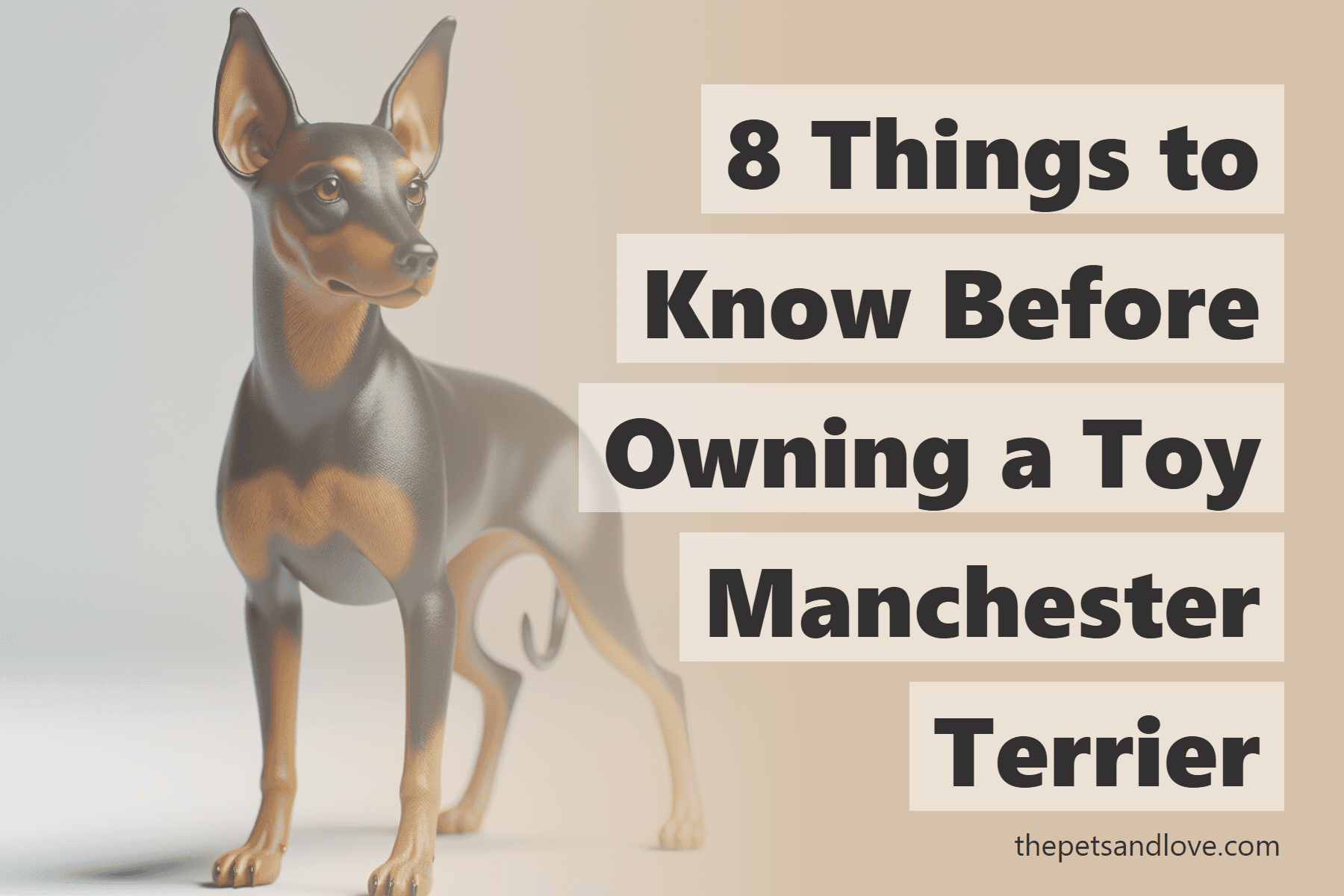
You spotted a sleek little dog that looks like a Doberman shrunk in the wash — and now you can't stop thinking about it.
Here's the plot twist: the Toy Manchester Terrier came first. The Doberman was partly built from this breed, not the other way around.
That's the kind of surprising, under-the-radar charm you get with this dog. And in the next few minutes, you'll learn exactly what living with one is really like — the good, the loud, and the "why is it staring at that squirrel like a sniper."
Let's get into it.
Small But Mighty (and Surprisingly Polite)
Most terriers come with a "make me" attitude bolted in from the factory.
The Toy Manchester didn't get that memo.
This breed is refreshingly trainable — their obedience and agility skills make them stars in the competition ring and easy roommates at home.
That combo of smart-and-cooperative is a big deal, especially if this is your first dog.
“They break the terrier mold: more obedient, more eager to please, and far easier to live with than most of their cousins.”
Trainable, yes — but don't mistake calm for lazy.
They've Got Energy to Burn
Small frame. Big engine.
The Toy Manchester is no couch potato, and treating it like one is where a lot of owners go wrong.
2× daily
30–40 minute walks, plus indoor play
They love to run, leap, and chase. If you're active, they'll happily keep up.
But here's the non-negotiable part:
Got a yard? Great — it's a bonus, not a substitute for walks.
And make that fence solid. These dogs are clever, quick, and very motivated when something small and furry runs by.
Quick poll
How much daily exercise can you realistically commit to?
Exercise handles the body. This next part handles the temperament.
Why Socialization Makes or Breaks Them
Toy Manchesters can live peacefully with kids, cats, and other dogs.
The word doing the heavy lifting there is "can."
It only happens with early, positive socialization — and this is the step people skip most.
How to socialize the right way
- Start earlyThe puppy weeks are prime learning time. Introduce new sights, sounds, and surfaces gradually.
- Go oftenOne trip to the park won’t cut it. Regular, varied exposure builds real confidence.
- Keep it positivePair new experiences with treats and praise so the world feels safe, not scary.
- Read the roomIf your pup is overwhelmed, back off and go slower. Never force it.
Young kids
With careGreat with respectful, gentle handling and supervision.
Cats
With early introPrey drive means introductions must be slow and positive.
Other dogs
Usually goodWell-socialized Manchesters play nicely with fellow pups.
Small pets
CautionHamsters, birds and the like can trigger the chase instinct.
Speaking of that alert nature — let’s talk volume.
They're Vocal — and Very Attached
Want a dog that tells you when something's up? You found it.
Toy Manchesters make excellent watchdogs. They'll announce the mail carrier, the neighbor, and possibly a leaf that moved suspiciously.
Left untrained or bored, that watchdog instinct can tip into nuisance barking.
But there's a second thing to know here, and it matters more:
These dogs bond hard with their people.
Pros
The upside of a vocal, bonded dog
- Natural, attentive watchdog
- Deeply loyal companion
- Tuned in to your moods and routines
- Rarely aloof or standoffish
Cons
The trade-offs
- Barking needs early management
- Prone to separation anxiety
- Not ideal for long solo days
- Craves your time and attention
Smart dog, right? House training tells a different story.
Housebreaking Takes Patience
Here's the funny contradiction: this clever dog can be slow to house-train.
That's not a flaw — it's just typical for small breeds. Tiny bladders, tiny schedules.
- Stick to a consistent potty schedule
- Reward every success right away
- Use crate training to build good habits
- Do the middle-of-the-night breaks during puppyhood
- Punish accidents after the fact
- Assume "smart" means "fast to house-train"
The good news? You’ll likely have this companion for a long time.
Healthy and Long-Lived, With a Few Caveats
Here's a genuine perk of choosing this breed.
Toy Manchesters tend to live long, robust lives — often 15+ years — and they've dodged much of the overbreeding damage that hits other toy breeds.
Still, no breed is bulletproof. A few conditions are worth watching for:
Can you guess?
Which health issues should you keep on your radar?
The Toy Manchester is one of the sturdier, healthier toy breeds — many stay active well into their teens with proper care.
Longer life means more years of care. Budget for annual checkups, dental work, and the occasional surprise across 15+ years.
Under-exercised Manchesters gain weight and get bored, which fuels barking and anxiety. Movement is medicine for this breed.
Love the look but want a little more dog? There’s an option.
Toy vs. Standard — What's the Difference?
If you adore the Manchester's sleek, mini-Doberman look but want something sturdier, meet the Standard Manchester Terrier.
Toy vs. Standard at a glance
| Trait | Toy | Standard |
|---|---|---|
| Weight | ~12 lbs | ~15–22 lbs |
| Build | Delicate | Sturdier |
| Temperament | Loyal, alert | Loyal, alert |
| Energy | High | High |
Same personality. Same drive. Both are athletic, loyal, and bursting with life.
The choice really comes down to how much dog you want to hold.
Frequently Asked Questions
Yes — surprisingly so. They’re more obedient and easier to train than most terriers. Just be ready for daily exercise, early socialization, and some patience with house training.
They can. They’re natural watchdogs and will alert you to everything. With early training and enough exercise, you can keep barking to a reasonable level.
Not all day. They bond closely and are prone to separation anxiety. If you work long hours, arrange a dog walker, daycare, or a solid workout before you leave.
They can be great with kids, cats, and dogs — but only with early, positive socialization. Their prey drive means small pets like hamsters and birds need extra caution.
Plan on two 30–40 minute walks a day plus indoor play. They love to run and chase, so an active household suits them best.
Generally yes — many live 15+ years. Watch for hip and elbow dysplasia, hypothyroidism, glaucoma, and von Willebrand’s disease, and choose a breeder with health clearances.
For most owners, it’s the combination of house-training patience, managing barking, and meeting their need for exercise and companionship. Handle those, and they’re a joy.