Is Your Pomsky Stressed? 13 Warning Signs Most Owners Miss
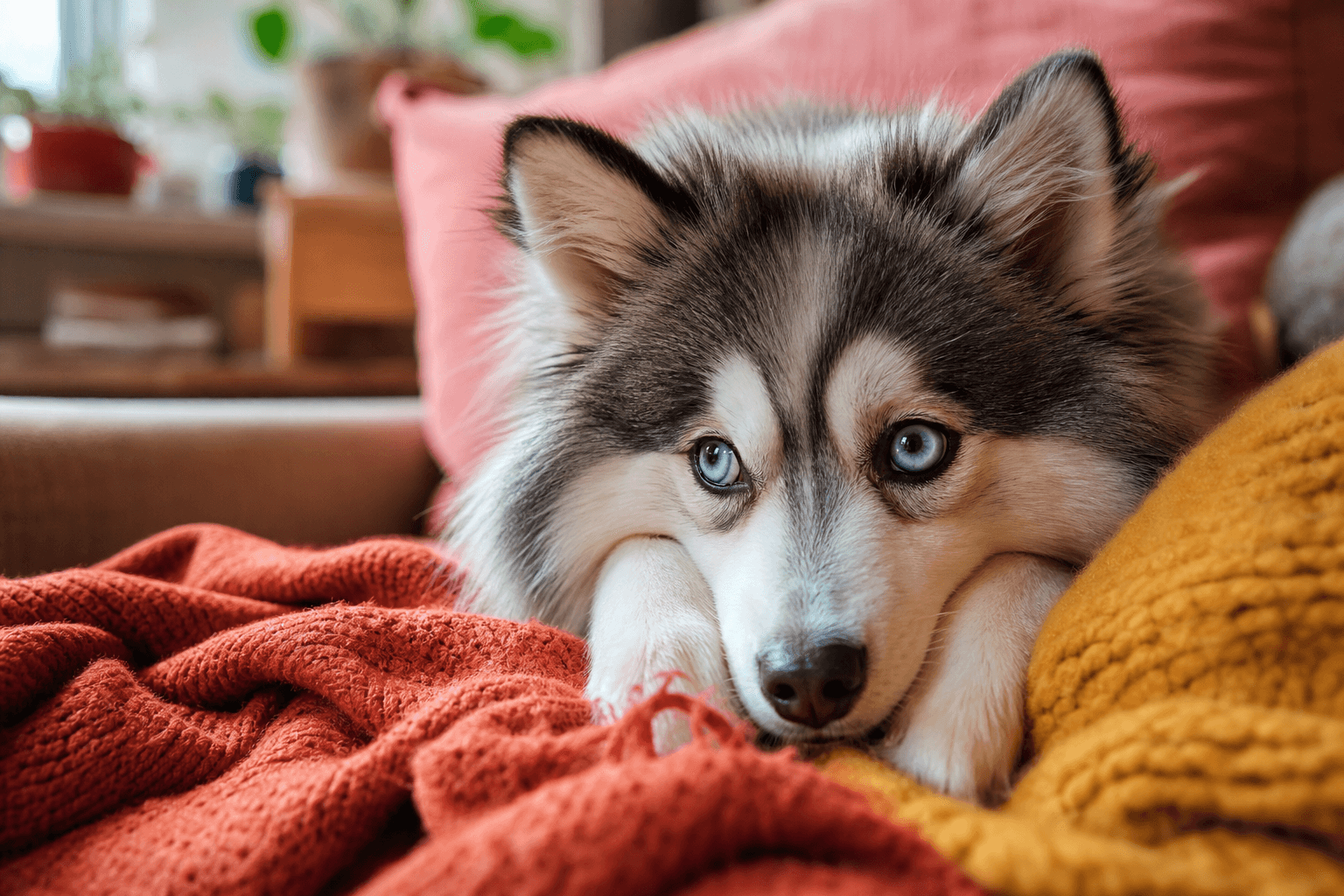
You know your Pomsky is bright and bouncy — but lately something feels off.
Stress in this Husky-Pomeranian mix can look cute, quirky, or downright naughty before it turns serious.
Here are the quiet clues we watch for at home, plus what you can do in the moment.
1. Restless Pacing and Cannot Settle
A stressed Pomsky will patrol the same paths, circle, or flop down only to pop back up seconds later.
Try a decompression walk in a quiet area and reduce household stimulation for an hour.
2. Sudden Excessive Shedding or Dandruff
Stress can trigger a quick shed and flaky skin, especially in double-coated dogs like Pomskies.
Offer water, a cool spot, and space; avoid brushing aggressively in that moment which can add to the overwhelm.
3. Yawning, Lip Licking, and Whale Eye
These are canine calming signals that say I am not okay right now.
Soften your voice, turn your body sideways, and give them distance from the trigger.
4. Clinginess Then Avoidance
Stress can look like stuck-to-your-ankle shadowing, then sudden ducking under tables when touched.
Let them choose contact; invite, do not insist, and create a safe mat they can retreat to.
5. Zoomies That Feel Frenzied, Not Playful
Happy zoomies have bouncy curves; stressed zoomies are tight, frantic sprints with hard corners.
Interrupt gently by guiding to a sniffy yard break or a scatter feed to lower arousal.
6. Barking, Howling, or Talking More Than Usual
With Husky genes, Pomskies are born narrators. A sudden spike in howls or talk-barks often flags separation or noise stress.
Close curtains, add white noise, and give a stuffed lick mat before known triggers like mail delivery.
7. Destructive Chewing Focused on Exits
Gnawing door frames, crates, or window sills points to escape-driven anxiety, not boredom.
Shorten alone time, use a well-fitted crate or pen only if they are relaxed in it, and practice tiny comebacks.
8. Potty Accidents in a Trained Dog
Stress hormones can disrupt schedules and bladder control.
Reset with more frequent, quiet breaks and praise for outdoor success; never punish, which compounds stress.
9. Refusing Food or Taking Treats Hard
Skipping meals, spitting treats, or snatching with a hard mouth are early red flags.
Switch to softer, higher-value bits and move farther from the stressor until they nibble gently again.
10. Tail Tucked, Ears Back, or Stiff Body
A tucked sickle tail, pinned Pomeranian ears, and a statue-stiff stance scream I am worried.
Increase distance and let them watch the trigger below threshold before asking for any cues.
11. Scratching or Licking One Spot Repeatedly
Compulsive licking can be stress soothing, but it can also mask allergies or pain.
Use a calm-down chew, then book a vet check if it recurs or you see hair loss or redness.
12. Sleep Changes and Night Watchdogging
Restless nights, pacing hallways, or parking by windows suggests hypervigilance.
Shift the bed away from street noise, add a pre-bed sniff session, and try a consistent lights-out routine.
13. Ignoring Cues They Know Cold
Stress shrinks the learning brain. If your Pomsky ignores sit and recall, it is not stubbornness.
Lower criteria, reward any try, and train away from triggers until their focus returns.
- Create a quiet decompression zone with water, chew, and mat
- Swap marching walks for sniff walks and scatter feeding
- Punish barking, accidents, or chewing
- Force greetings with people or dogs when they look unsure
- Track triggers and shorten exposure while you retrain