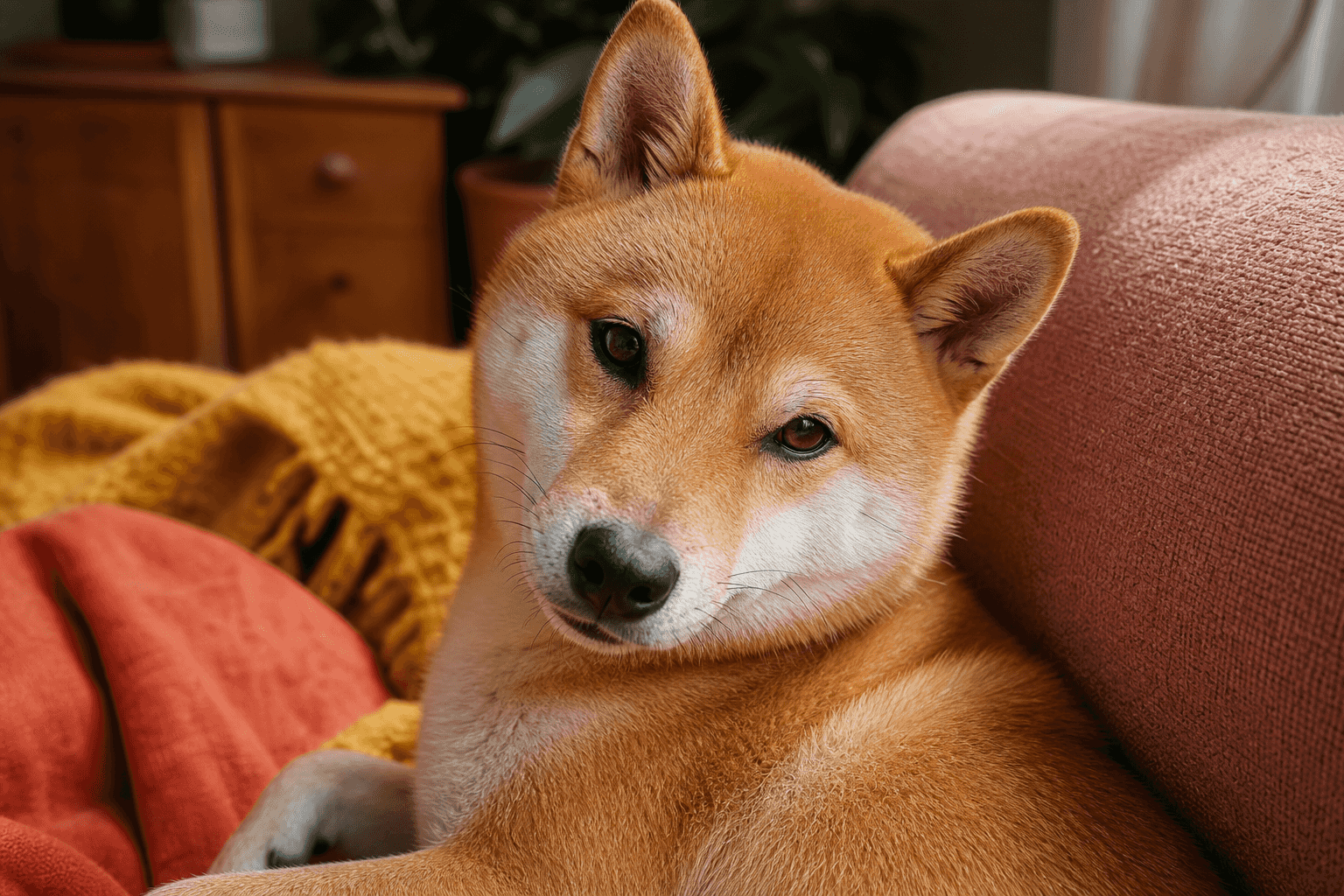
Is Your Frenchton Stressed? 9 Warning Signs Most Owners Miss

You know your Frenchton has a big personality in a compact body — which is exactly why subtle stress signs can slide past you.
Catch them early and you can prevent meltdowns, reactivity, or even health scares tied to their brachycephalic build.
Here are the quiet cues most owners miss, plus exactly what to do in the moment.
1. Pacing and Restlessness
A calm Frenchton will plop down like a potato. A stressed Frenchton does loop-the-living-room, changes spots every minute, and cannot settle.
What to do: guide them to a quieter space, scatter feed a small handful of kibble on a mat, and keep voices low. Short sniffy breaks outdoors help reset.
2. Tucked Tail With Wiggles
Many people read any wag as happiness. A fast, low wag tucked close to the body says uncertainty, not joy.
What to do: increase distance from whatever they are facing, crouch to the side instead of head-on, and invite with a soft voice. Do not force greetings.
How we spot it
The base of the tail is tight, hips are low, and the body wiggles without the loose, U-shaped spine you see in true play.
3. Soft Panting Indoors
Frenchtons are brachycephalic, so they may pant with little effort. But indoor panting at rest, when it is not warm or after exercise, often signals stress or discomfort.
What to do: check temperature, offer water, move away from triggers like the vacuum or rough play, and give a chew to lower arousal.
4. Yawning and Lip Licking (Out of Context)
These are classic calming signals. If your Frenchton yawns repeatedly while you fit a harness or licks lips during petting, they are asking for space.
What to do: pause, soften touch, and try a slower approach. Pair the harness or handling with tiny treats and release breaks.
5. Whale Eye and Slow Blinks
Whale eye is when you see the white of the eye as they avert their head but keep watching. Slow, exaggerated blinks can be appeasement.
What to do: turn your body sideways, avoid reaching over the head, and invite consent with a hand offered low. If they move in, pet the chest or shoulder, not the crown.
6. Refusing Treats or Turning Away
A food-motivated Frenchton that suddenly will not take a favorite snack is likely over threshold.
What to do: increase distance, drop the difficulty, and switch to sniffing. When they can eat again, you are back under threshold — resume training at an easier step.
7. Sudden Shedding or Dandruff
Stress can trigger a mini “blow” of coat or flaky skin during or after a tense moment, like vet visits or loud guests.
What to do: brush gently, offer water, and give a calm decompression walk. If flakes persist or you see red skin, speak with your vet to rule out allergies or mites.
8. Itching, Scooting, or Face Rubbing
Frenchtons often have skin folds and sensitive anal glands. Stress can magnify itch and discomfort, so they rub the muzzle on rugs or scoot after a tense event.
What to do: check folds for moisture, wipe with a vet-approved cleanser, and schedule gland checks if scooting repeats. Combine with calm activities like licking mats to reduce arousal.
9. Clingy… Then Avoiding
Oscillating between Velcro-dog and hidey-hole is a subtle red flag. It reads like mixed signals, but it is your dog seeking safety, then needing recovery time.
What to do: create a predictable retreat spot with a bed and white noise. Let them choose contact, and keep interactions short and sweet.
- Do increase distance and give sniffing breaks when subtle stress signs appear.
- Do make a quiet, conditioned safe zone your dog can access anytime.
- Do pair triggers with tiny, high-value treats at a tolerable distance.
- Don’t force greetings, handling, or photos when your dog is signaling no.
- Don’t ignore indoor panting or bright red gums in a short-nosed breed.
Quick fixes are good, but patterns matter
When to call your vet or trainer
If stress signs last more than a few days, if breathing sounds worsen, or if avoidance escalates to growling or snapping, bring in help. A vet can rule out pain and airway issues common in short-nosed breeds, and a rewards-based trainer can build confidence with gradual exposure.