German Shepherd vs King Shepherd: Which One Actually Fits Your Home Better?
You love the look and loyalty of shepherds, but you want the one that truly fits your home.
We have lived with high-drive herders and gentle giants — here is the no-fluff comparison we wish someone handed us first.
By the end, you will know exactly which shepherd your daily life can actually support.
Quick Take: Key Differences
Both breeds are loyal, protective, and brilliant. The biggest split is size and drive.
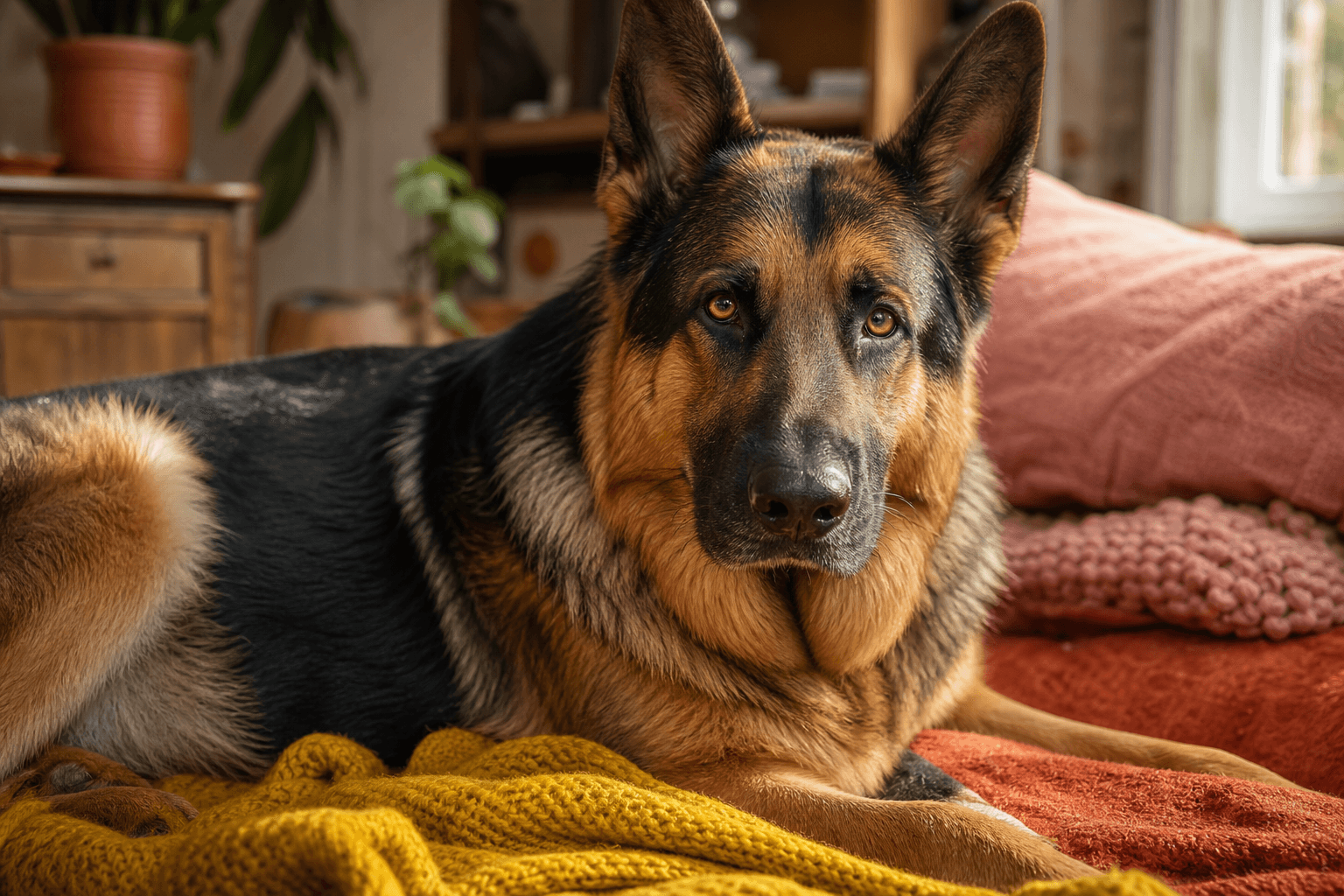
German Shepherd: medium-large, intense work ethic, sharper drive, thrives with daily training and a job.
King Shepherd: giant, steadier and more laid-back, bred for family-friendly temperament with that shepherd brain.
Pros
King Shepherd: At a Glance
- Steady, gentle temperament for busy families
- Massive presence without being hyper
- Excellent with kids when well socialized
- Often less nervy than some working-line GSDs
Cons
Consider Before You Commit
- Very large; needs more space and budget
- Harder to find reputable breeders or rescues
- Still sheds and needs training — just bigger
- Transport and travel are trickier due to size
Size and Space Needs
German Shepherds typically stand 22 to 26 inches and weigh 50 to 90 pounds.
King Shepherds are truly big: commonly 90 to 150 pounds and 25 inches or taller.
If you live in an apartment and you are diligent with exercise, a German Shepherd can work. A King Shepherd usually needs more elbow room, sturdier stairs, and a vehicle that can handle a giant crate.
Temperament and Family Fit
German Shepherds are famously devoted, alert, and protective. They are often reserved with strangers and can be intense in play.
King Shepherds tend to be calmer and more easygoing while remaining watchful. Think gentle giant energy with a shepherd brain.
Both can be great with kids and other pets when socialized. If you want a mellower vibe around the house, the King usually has it. If you crave a partner for sport, task work, or high-output adventures, the GSD often suits better.
Exercise and Mental Work
Plan on real work for either dog, not just a backyard.
German Shepherds typically need 60 to 90 minutes daily plus mental jobs — obedience drills, scent games, or sports like tracking or agility.
King Shepherds need similar total time, but their style is steadier: long walks, hiking, structured fetch, and puzzle feeders. They are less likely to bounce off the walls, but boredom still invites trouble chewing.
Grooming and Shedding
Both have dense double coats and shed year-round with seasonal blowouts.
Brush two to three times weekly, daily during shedding season. Use an undercoat rake and a slicker; finish with a quick vacuum pass and you will stay sane.
Baths every six to eight weeks are usually plenty unless you are in muddy season. Long-coated types need extra detangling behind ears and pants.
Training Style and First-Time Owners
German Shepherds are extremely trainable but can be sensitive and intense. Clear structure, fair corrections, and rich reinforcement keep them thriving.
King Shepherds generally mature a bit slower and take pressure well. They suit first-time owners who are consistent and willing to learn, especially with a good class and a crate routine.
Either way: start early, socialize widely, and teach a rock-solid settle. Your furniture will thank you.
Health and Lifespan
Common concerns in both: hip and elbow dysplasia, degenerative myelopathy, allergies, and bloat risk.
Lifespan is typically around 9 to 12 years for German Shepherds and about 10 to 12 years for King Shepherds when responsibly bred and kept fit.
Keep them lean, feed a large-breed appropriate diet, and do joint-friendly exercise while they are growing.
Cost and Availability
German Shepherds are widely available through breeders and rescues. Pet or companion lines often run in the 1,000 to 3,000 range depending on region and titles.
King Shepherds are rarer; expect roughly 1,500 to 3,500 and longer waitlists. Transport adds up when you are moving a giant dog and an XL crate.
Budget for food, joint supplements, training classes, and insurance. A bigger dog simply costs more per month.
Which One Fits Your Home Scenario?
Apartment with active owner: a well-exercised German Shepherd is the practical pick. Choose stable lines and commit to daily training plus two real outings.
Busy family in a house with a yard: a King Shepherd often blends in beautifully — calm in the home, game for family hikes, happy to lounge after.
Sport or working goals: lean toward a purpose-bred German Shepherd from proven working or sport lines with temperament you can handle.
First big dog: a stable King Shepherd can be forgiving, but size magnifies mistakes. If you are unsure, a balanced, lower-drive GSD from a thoughtful breeder or rescue may be easier to manage.
So, which shepherd comes home with you?