Corgi vs Lancashire Heeler: Which One Actually Fits Your Home Better?
You want a small herder with a big personality, but which one actually works in your day-to-day life?
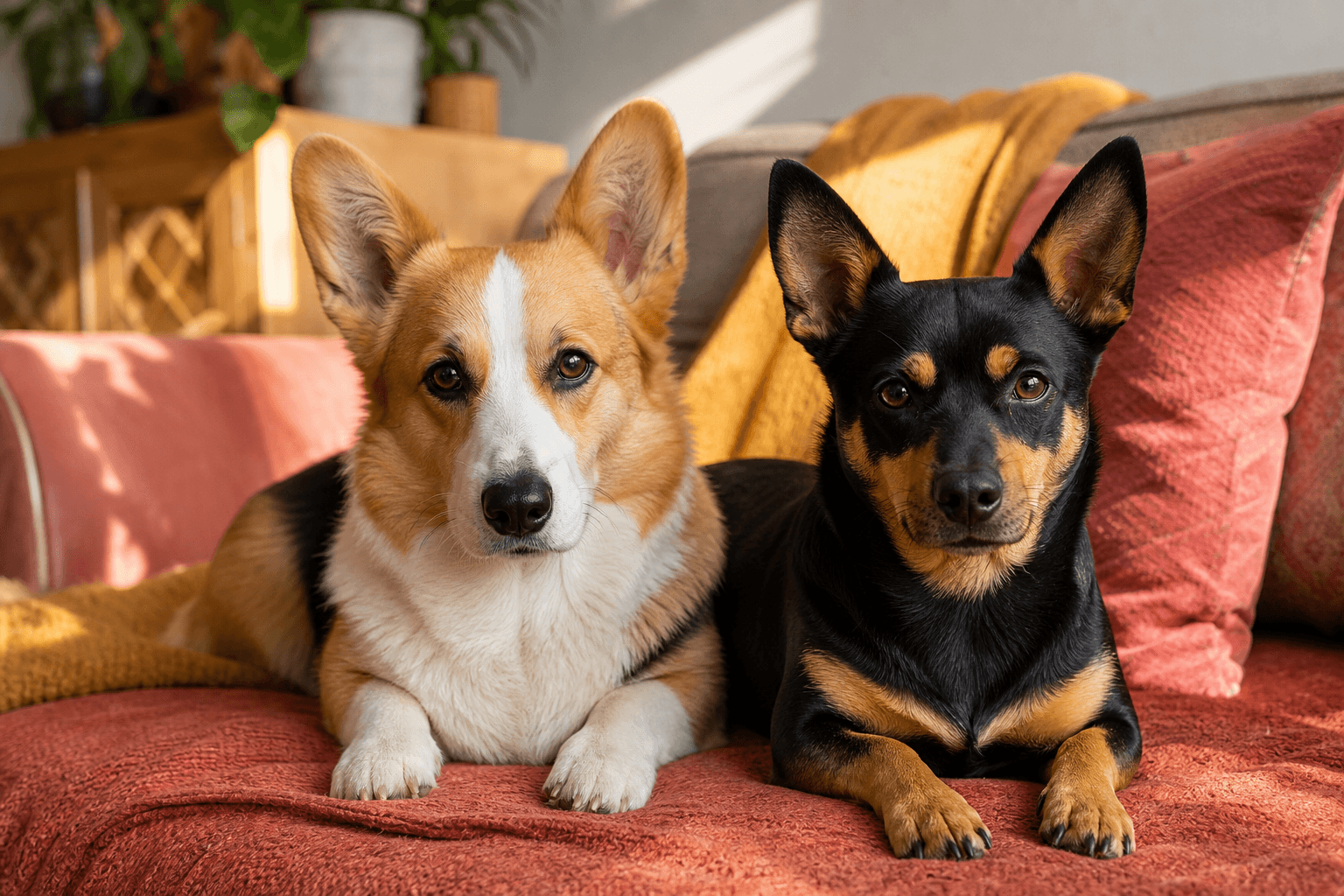
We have lived with both vibes — the social butterfly Corgi and the zippy, fox-like Lancashire Heeler.
Here is the fast, no-filler guide to choosing the dog that fits your space, energy, and people.
Quick Snapshot
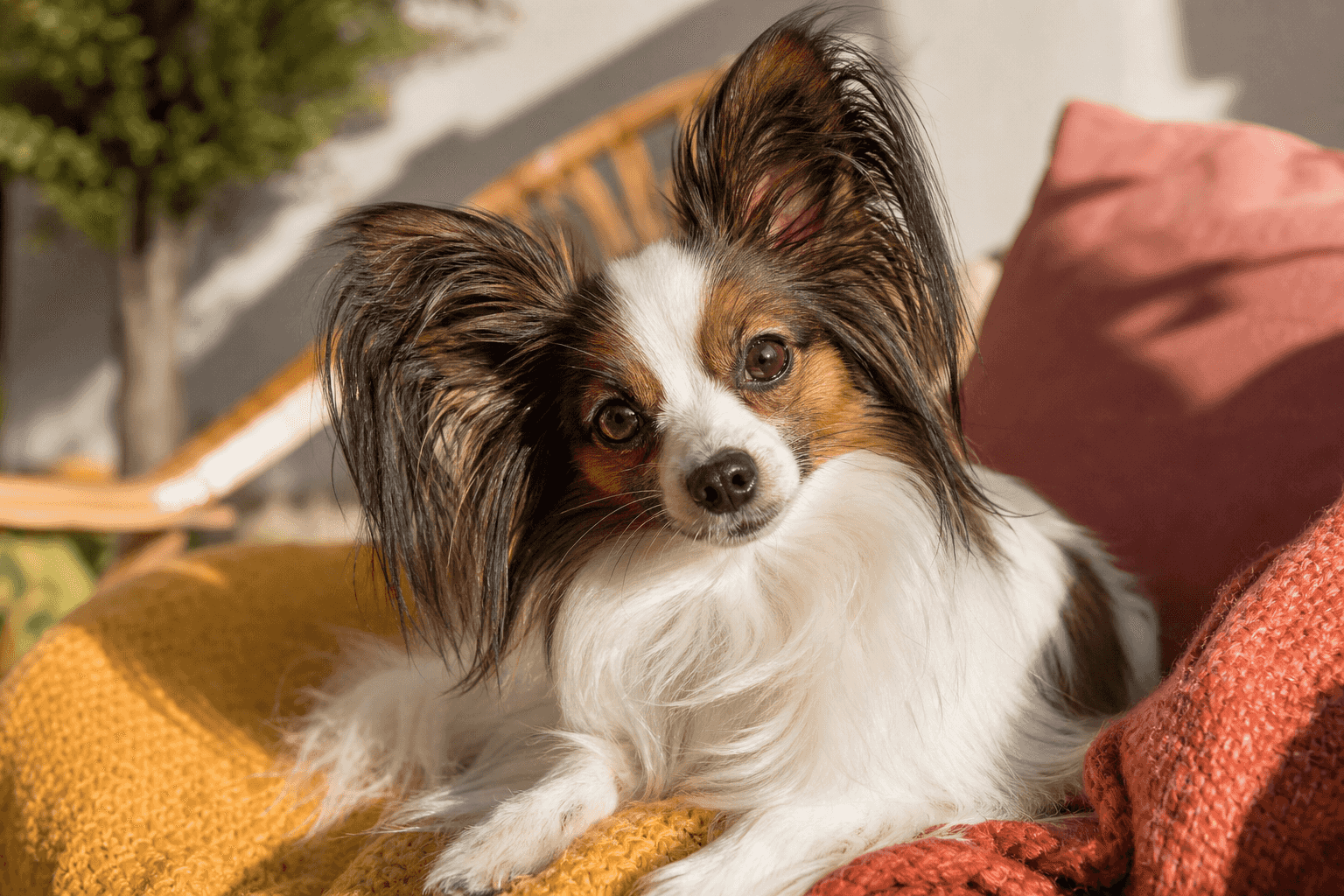
Corgi usually means Pembroke Welsh Corgi in the United States, though Cardigans are out there too. Expect a friendly, charismatic herder that thrives on being where the action is.
Lancashire Heeler is rarer, a pocket-size cattle dog with a dash of terrier spark. They are quick, bright, and a bit more reserved with strangers.
Corgi at a glance
Outgoing, sturdy 25 to 30 pounds, big shedder, family-ready, can be vocal and nip when excited.
Lancashire Heeler at a glance
Lightweight 9 to 17 pounds, zippy and watchful, moderate shedder, strong chase drive, rare in the US.
Size and Space Needs
Corgis are compact but substantial. Around 10 to 12 inches tall and typically 25 to 30 pounds, they feel dense on your lap and take up more floor space than their height suggests.
Lancashire Heelers are truly small. Similar height but often half the weight, they fit apartments easily and are simpler to carry, crate, and travel with.
Both can do well in apartments if you meet exercise and mental needs. A yard is nice, not mandatory.
Energy and Exercise
These are herding breeds; plan on daily outlets.
Corgi: 45 to 60 minutes of mixed activity suits most adults. Two brisk walks plus short play keeps them civilized. They enjoy casual hikes and low jumps but go easy on stair marathons because of long backs.
Lancashire Heeler: Smaller body, similar drive. They benefit from tighter, more frequent sessions: three 15 to 20 minute bursts with training games in between. Many have a strong chase instinct, so off leash only in safe areas.
Temperament with Family, Strangers, and Pets
Corgis are social showmen. Most are people focused, playful with kids, and happy to host your friends. Young Corgis may herd by heel nipping; teach kids to stop moving and fold arms so the game ends.
Lancashire Heelers are loyal and a touch aloof. They adore their circle but can be cautious with strangers without early, positive socialization. Many coexist with cats if raised together, but their prey drive is real with fast, small animals.
Both breeds can be terrific family companions with structure and humor. If your home is party central, the average Corgi adapts faster. If you prefer a one family dog who keeps watch, the Heeler fits that bill.
Training, Barking, and Brains
Both are smart and opinionated. The trick is channeling that brain.
Corgi: Food motivated, quick to learn cues, and quick to negotiate. They can be barky at doorbells and during play. Clear house rules and impulse games work wonders.
Lancashire Heeler: Sharp and agile, with terrier-like persistence. They excel at clicker training and scent or trick work. Without jobs, they invent their own, including patrol barking.
Use short, upbeat sessions and reward calm as much as flash. Barrier games, mat work, and nosework are gold for both.
Grooming and Shedding
Corgi: Thick double coat, heavy seasonal shed. Expect tufts in spring and fall and steady fluff the rest of the year. Brush several times a week; a forced-air dryer after baths helps during coat blows.
Lancashire Heeler: Short double coat, moderate shed. A quick weekly brush usually keeps things tidy and faster to clean after muddy walks.
Both need nail trims, dental care, and ear checks like any breed.
Health and Lifespan
Corgi watch-outs: Intervertebral disc disease risk due to long backs, hip dysplasia, degenerative myelopathy, and easy weight gain. Lift with support for chest and rear, use ramps where you can, and keep them lean.
Lancashire Heeler watch-outs: Patellar luxation, primary lens luxation, and Collie Eye Anomaly appear in the breed. Ethical breeders screen eyes and knees; ask to see test results.
Typical lifespan: Corgi around 12 to 13 years; Lancashire Heeler around 12 to 15 years.
Availability and Costs
Corgi: Popular and widely available. Ethical breeder pricing often ranges higher, and rescues exist in many regions.
Lancashire Heeler: Rare in North America. Expect waitlists, limited litters, and potential travel. Price may be similar or higher due to scarcity.
Annual costs are comparable for food, vet care, and supplies. Grooming is primarily DIY for both.
So... Which Fits Your Home?
If you want a social companion who thrives on family bustle and does fine with friendly strangers, the Corgi is usually the easier public-facing dog.
If you want a lighter, nimble partner with a keen watchdog streak and you enjoy training and structured outlets, the Lancashire Heeler is a delight.
Pick a Corgi if you...
Love hosting people, can brush often, enjoy training for fun, and want a sturdy small dog who is up for city walks or couch time.
Pick a Lancashire Heeler if you...
Prefer a loyal, slightly reserved companion, want lighter weight and easy grooming, and can channel chase drive with games and sports.