Aussiedoodle vs Mini Aussiedoodle: Which One Actually Fits Your Home Better?

You love the Aussiedoodle brain and the doodle charm, but size and energy can make or break the fit.
Here is the quick, practical way to pick between the standard Aussiedoodle and the Mini Aussiedoodle — no fluff, just what matters in real homes.
By the end, you will know which pup matches your space, schedule, and style.
Space and Size Realities
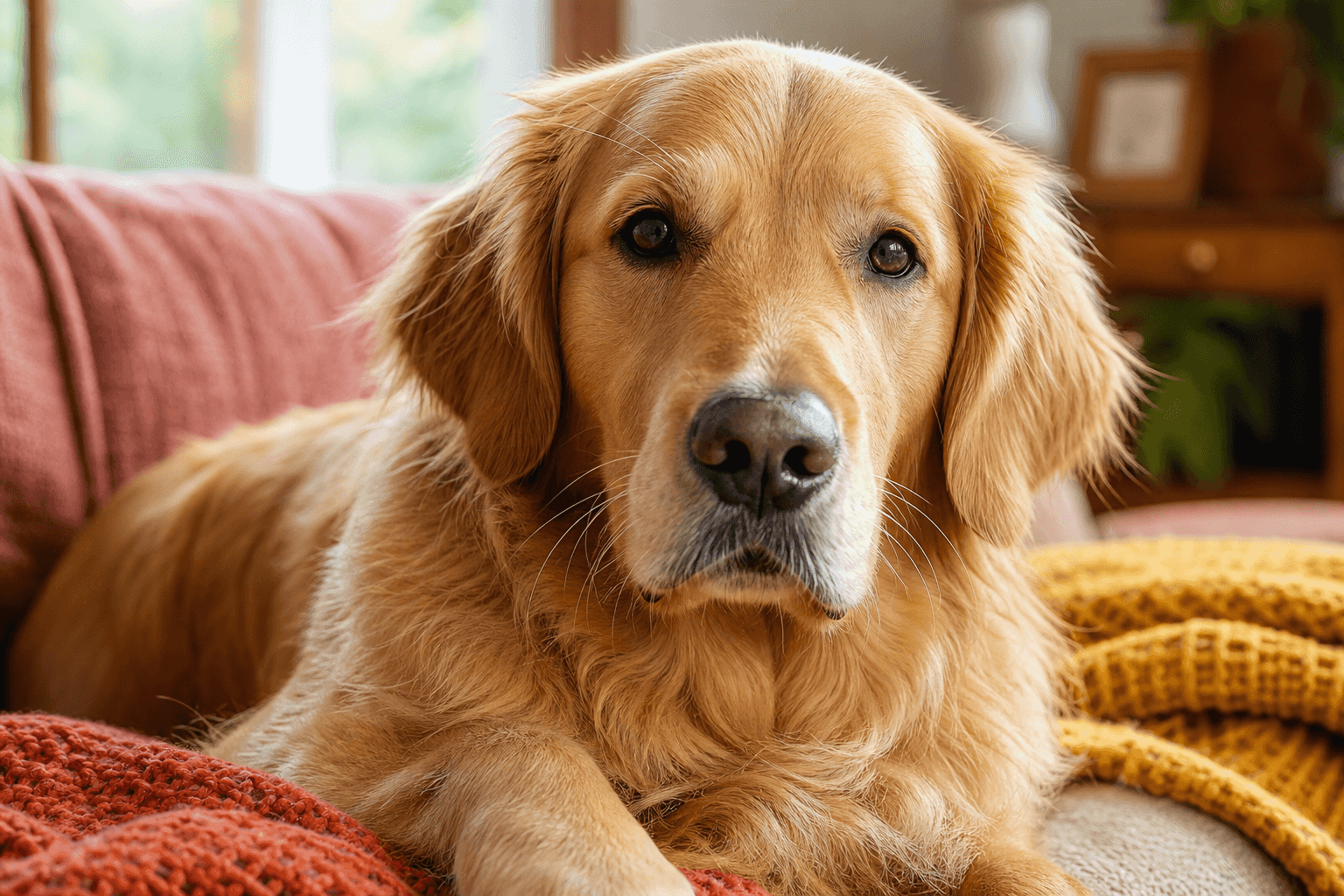
Aussiedoodle: Commonly 40 to 70 pounds and 18 to 23 inches tall, with a presence that fills smaller rooms fast.
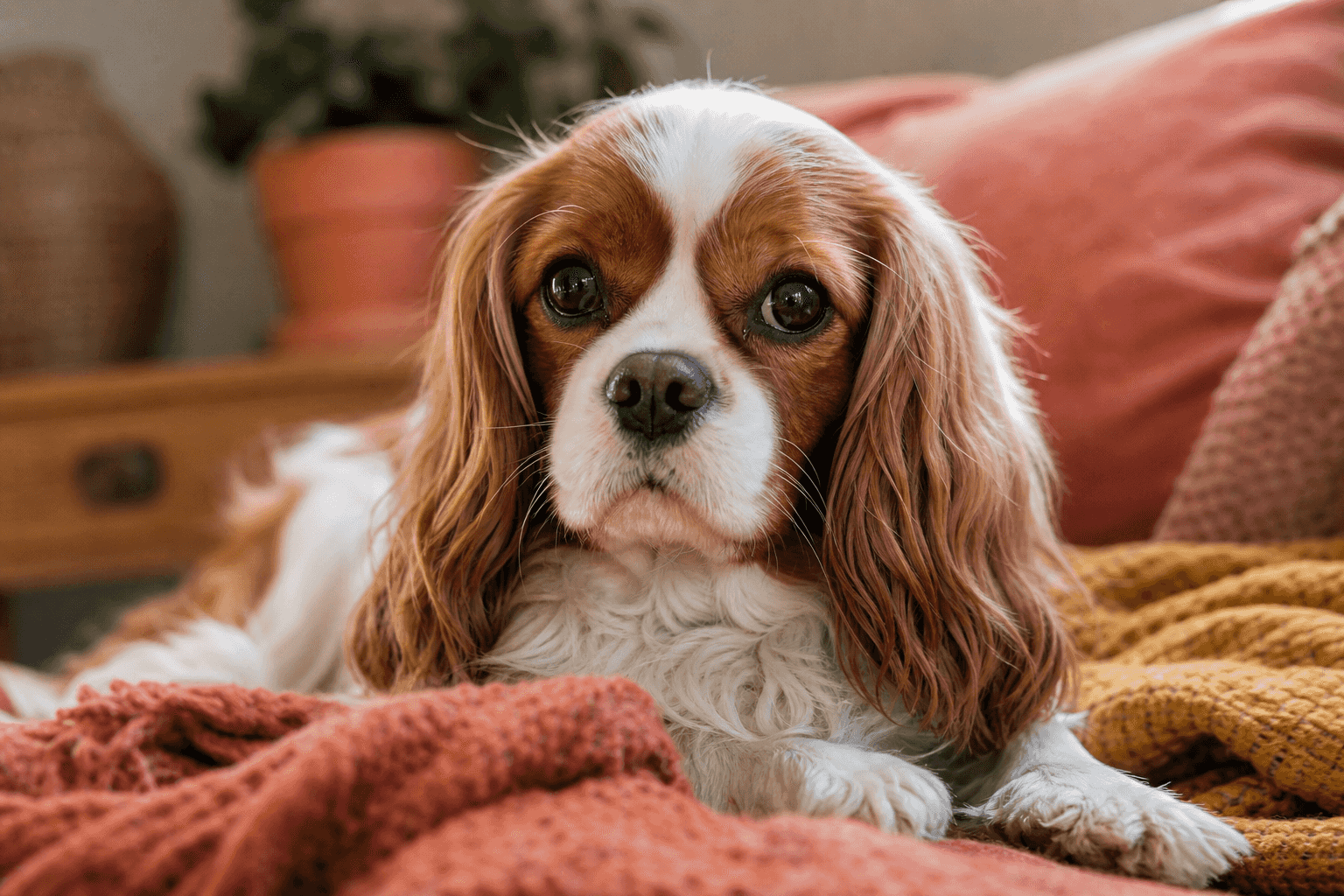
Mini Aussiedoodle: Usually 15 to 35 pounds and 12 to 18 inches tall, easier to lift, bathe, and fit into apartments or small cars.
If you have stairs, kids carrying the dog, or limited floor space, the mini is simpler. If you want a hiking buddy who can keep pace on long miles and handle rough terrain, the standard’s size is a plus.
Energy and Exercise
Both mixes draw from the Australian Shepherd’s drive and the Poodle’s athleticism. Expect a smart, busy dog either way.
Aussiedoodle: Plan on about 60 to 90 minutes of activity daily, split between brisk walks, fetch, and training games.
Mini Aussiedoodle: Many are satisfied with 45 to 60 minutes, but concentrated brain work matters more than just steps.
Yards help but are not mandatory. What they truly need is structured outlets: sniffy walks, puzzle feeders, short training bursts, and supervised play.
Temperament and Family Fit
Both sizes are typically affectionate, biddable, and people-oriented. Minis often skew a bit more velcro and alert; standards can feel steadier once mature.
With young kids, many families prefer the mini’s smaller mass to prevent bowling people over. With active teens or runners, the standard’s endurance shines.
Both may try to herd motion. Redirect early with tug toys and reward calm around feet and wheels.
Grooming and Shedding
Coats range from wavy to curly. Shedding is usually low, but not zero. Maintenance is the trade-off.
Brushing: Every other day for curlier coats to prevent mats at the collar, behind ears, armpits, and tail base.
Pro grooming: Every 6 to 10 weeks. Minis cost less per visit and are faster to bathe and dry.
If allergies are a concern, prioritize a curlier coat, but remember that no dog is truly hypoallergenic.
Training and Mental Stimulation
These dogs are thinkers. They pick up patterns quickly, including the ones you do not want.
- Standards: Often excel in structured sports like agility, rally, or hiking manners with load-carrying.
- Minis: Rock-star trick dogs and apartment pros when you lean into short, fun, frequent sessions.
Protect their confidence: use reward-based training, anticipate over-arousal around doorways, and build a solid settle on a mat.
Health, Lifespan, and Vet Care
Mixed breeds can benefit from genetic diversity, but screening still matters. Ask for health testing on parents: hips and elbows, eye exams, and DNA panels for common Poodle and Aussies issues.
Lifespan: Minis typically land around 12 to 15 years; standards 11 to 14 years. Smaller bodies often age slower.
Watch-fors: Ear infections in floppy, hairy canals; dental tartar especially in smaller mouths; and orthopedic strain if pups jump from high furniture.
Budget and Ongoing Costs
Food, grooming, and equipment scale with size.
- Standards: Larger crates and beds, higher food bills, pricier anesthesia doses, and grooming sessions take longer.
- Minis: Lower daily costs and easier travel gear, though training and enrichment needs remain.
Either way, plan for training classes, puzzle toys, and a quality harness. Investing in the brain saves your shoes.
Lifestyle: Travel and Work
If you fly or rideshare often, a mini fits more setups and is simpler for sitters to handle.
If you work from home and want a companion under the desk, both sizes thrive with routine breaks. If you are out long hours, budget for a dog walker or daycare regardless of size; boredom is the enemy here.
Quick Decision Guide
Choose an Aussiedoodle if...
You want a sturdier adventure partner, have room for a bigger crate and bed, enjoy longer daily exercise, and prefer a slightly steadier feel once mature.
Choose a Mini Aussiedoodle if...
You live in tighter spaces, travel frequently, want easier handling and grooming costs, and can channel big brains into short daily training and sniff time.
Still torn? Picture your busiest weekday. If you cannot realistically deliver more than an hour of exercise and enrichment, the mini is the safer pick. If your weekends are trail-heavy and your home has space, the standard will meet you there.
Not necessarily. Minis often feel spicier and more alert. The main difference is stamina and physical intensity, not desire to do stuff.
Many shed lightly, especially wavier coats. Curly coats usually shed less but need more brushing and trims. Ask the breeder about adult coat texture in relatives.
Yes if you commit to training and mental work. They are people-pleasers, but without structure they invent their own job.
Yes. Minis are simpler, but standards can thrive with a routine of walks, elevator etiquette, and brain games. Stairs and small elevators are just logistics to plan.
Both can be vocal when under-exercised or bored. Teach a quiet cue, reward calm, and add sniffing outlets to reduce trigger stacking.