9 Types of People Perfect for Great Dane Ownership
You love big dogs with bigger hearts, and you are wondering if a Great Dane fits your life.
Here are the nine owner types who thrive with this gentle giant — and why.
Skim the list, find yourself, and get clear on fit in minutes.
1. Space-Smart People With Ground-Floor Access
Great Danes are house dogs, not yard ornaments, but they do need room to stretch, turn, and nap without bumping into everything.
Ground-floor living or easy elevator access helps, because repeatedly climbing stairs is hard on giant-joint puppies and aging seniors.
A securely fenced yard is lovely, not mandatory; what matters most is safe space and your daily presence.
2. Chill Homebodies Who Love a Couch Companion
Danes are famously affectionate shadows who want to be where you are.
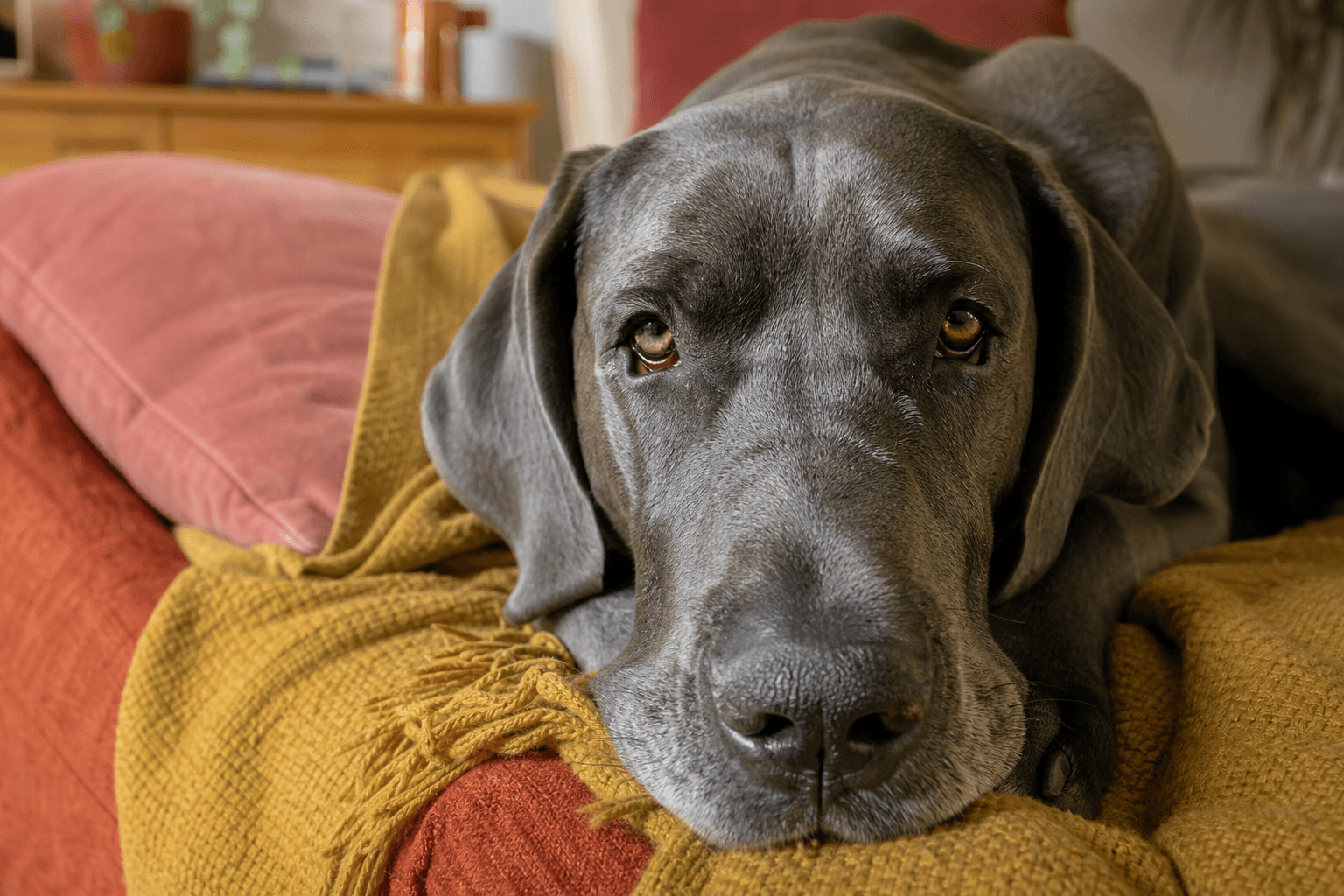
If your ideal evening is a movie with a 140-pound lap-lean, this is your lane.
Exercise needs are moderate for adults — think two relaxed walks and sniffing — but they thrive on companionship the rest of the day.
3. Patient, Positive-Reinforcement Trainers
Danes are sensitive, eager to please, and respond beautifully to calm, consistent training.
Forceful methods can shut them down; reward-based basics like sit, wait, and loose-leash walking keep a giant body polite.
Start leash manners early — it is easier to guide a baby moose than stop a full-grown one.
4. Budget-Ready Owners Who Plan for Giant-Breed Costs
Everything scales up: quality food, beds large enough, crates, medications dosed by weight, and surgery fees.
Expect higher annual costs than with smaller breeds, and consider pet insurance or a dedicated emergency fund.
Choosing a vet experienced with giant breeds pays off in smarter prevention and right-sized equipment.
5. Routine Builders and Early Socializers
Great Danes bloom with predictable rhythms: meals, potty breaks, short training bursts, and quiet time.
Early, positive socialization to sounds, surfaces, polite greetings, and car rides prevents a shy giant later.
For puppies, keep exercise controlled; avoid long runs and jumping while growth plates are open.
6. Logistics-Minded Drivers With Roomy Cars
Vet visits, training classes, and weekend trips are simpler with a wagon, SUV, or backseat cleared for a giant crate or seatbelt harness.
You will also think ahead about doorways, elevators, and places to rest in the shade — planning reduces stress for both of you.
7. People Unfazed by Drool, Fur, and Pawprints
Some Danes drool a little, some a lot, especially after drinking or when excited.
If you can smile, grab a drool rag, and keep towels by water bowls, you will be happier than a neat freak.
The short coat sheds; a quick weekly brush and regular nail trims keep things tidy.
8. Families With Calm Homes and Respectful Kids
Danes are gentle, but they are huge; a happy tail can topple a toddler.
Households that teach kids to give space during meals and rest, and to invite contact rather than grab, get the best of this soft-hearted breed.
They read the room; calmer homes bring out their natural easygoing side.
9. Health-Forward Caretakers Who Plan for the Long and Short of It
Great Danes face giant-breed risks like bloat, hip issues, and certain heart and spine conditions.
Smaller, more frequent meals, slow-feeder bowls, and rest after eating are simple, vet-approved habits to help reduce bloat risk.
Regular checkups, staying lean, and being emotionally prepared for a shorter lifespan mean you can focus on quality of life every day.
- You can commit to daily companionship and gentle exercise, not marathons.
- You have a realistic budget for giant-breed food, gear, and vet care.
- You are comfortable with drool and big-dog logistics.
- Your home or routine cannot accommodate a giant dog right now.
- You prefer high-intensity sports like distance running with your dog.
Pros
Why a Great Dane Might Be Perfect
- Velcro-level affection and a famously gentle temperament
- Moderate exercise needs once mature; great house companion
- Low-maintenance coat and simple grooming
- Often excellent with respectful children and visitors
Cons
Why to Pause and Reconsider
- Shorter average lifespan than many breeds
- Large size means higher costs and logistical planning
- Potential for drool, loud tail whacks, and space-taking naps
- Health risks like bloat require vigilance and routine