9 Things to Know Before Bringing Home an Ariegeois
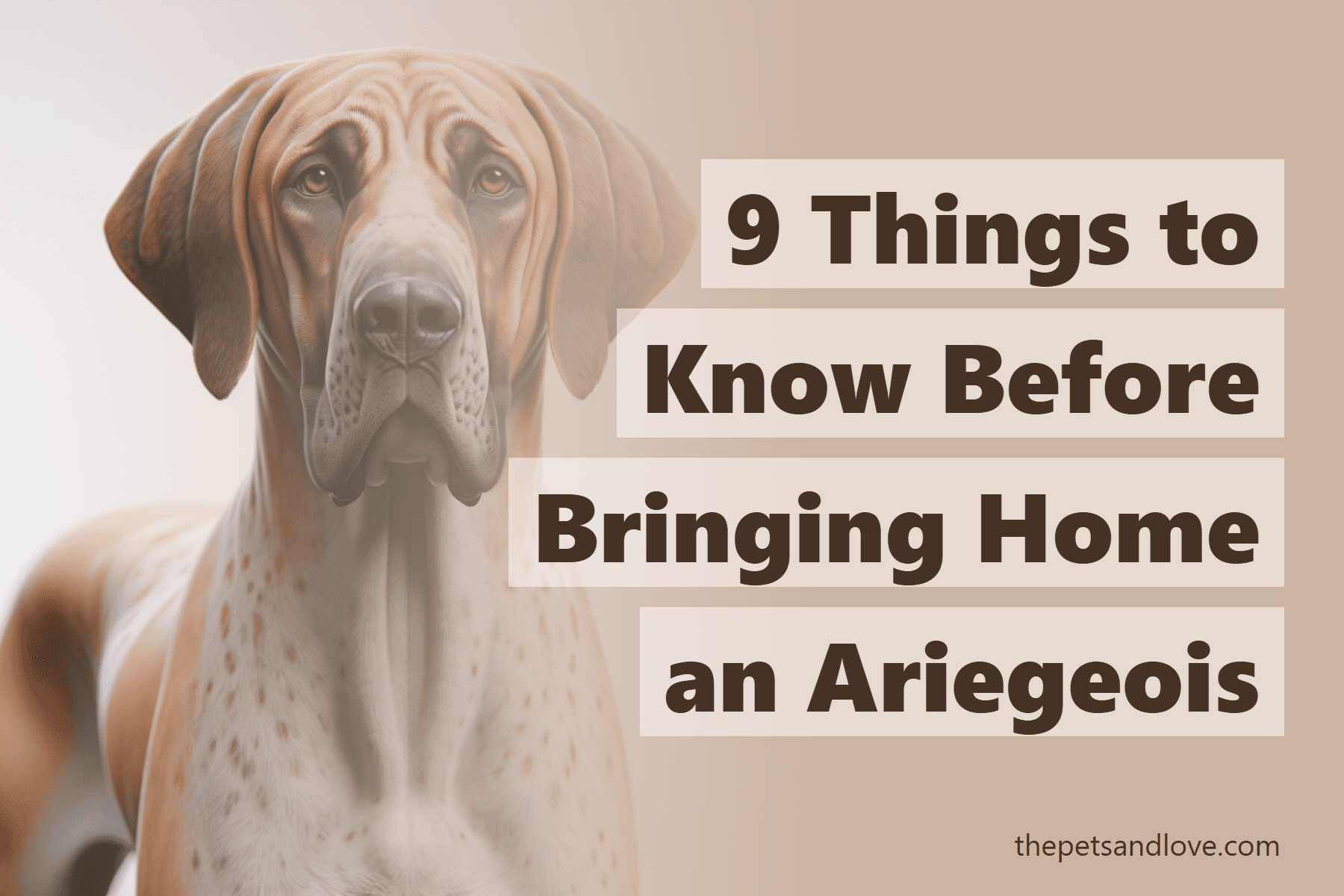
Thinking about bringing home an Ariegeois? You already sense these sleek French hounds are something special — the trick is knowing what daily life with one actually looks like.
Here's the honest truth: they're wonderful dogs, but they're not for everyone.
Below, you'll get the 9 things every future owner should know — from their sky-high energy to their surprisingly easy grooming — so you can decide if this breed fits your life before you fall in love.
| Category | Rating |
|---|---|
| Energy Level | |
| Grooming Needs | |
| Affection | |
| Trainability | |
| Prey Drive |
Let's start with what makes this breed tick.
1. Hunters at Heart
The Ariegeois was bred to track deer and hare across the rugged Pyrenees. That instinct hasn't gone anywhere.
They've got powerful noses and a serious prey drive. Which means small animals — yes, including your neighbor's cat — can look like fair game if the dog hasn't been trained early.
Here's what that means in practice:
- Keep them leashed or in a securely fenced yard at all times.
- Don't expect them to "stay close" once they catch a scent.
- Channel the instinct with scent work and tracking games — it's healthy and it tires them out.
2. Not Apartment Dogs
These dogs are built for movement, plain and simple.
They need space — ideally a large, fenced yard where they can run off steam. Trying to keep one in a small apartment is a tall order unless you happen to be a marathon runner with endless free time.
But here's the catch:
Skimp on exercise and mental stimulation, and you'll see the fallout fast.
Daily walks alone won't cut it. Think hikes, running games, and brain puzzles to keep both body and mind satisfied.
Quick poll
How much daily exercise can you realistically commit to?
So how do they behave inside the home?
3. Affectionate, But Not Clingy
One of the best things about this breed is how loyal and people-focused they are — with their own family.
They'll bond deeply with you. But don't expect instant friendliness with strangers. Consistent, early socialization makes a huge difference here.
They're pack animals at heart, so being left alone all day isn't ideal.
Separation anxiety can creep in quickly, especially if they're under-stimulated.
4. Good With Kids? Maybe
This one depends heavily on training and supervision.
Because of their strong prey drive and high energy, the Ariegeois isn't always the ideal match for homes with small children or small pets.
Older kids
Good matchActive older children who respect boundaries can be great companions.
Toddlers
With careHigh energy means knock-overs happen. Always supervise closely.
Cats
CautionPrey drive can kick in. Needs early, careful socialization.
Small pets
RiskyRabbits, hamsters and similar may be seen as prey.
If you have young kids or cats, be extra proactive with socialization — and supervise every interaction in the early stages.
5. Grooming? Easy.
Worried about high-maintenance grooming? Good news — you can relax.
The Ariegeois has a short, dense coat that sheds moderately year-round but doesn't mat or tangle. A quick brush once or twice a week is usually all it takes.
There is one thing to watch, though.
- Brush the coat 1–2x per week
- Check and clean ears regularly
- Dry ears thoroughly after water play
- Ignore ear odor or head-shaking
- Over-bathe and strip the coat
Now, the part first-time owners underestimate most.
6. Training Takes Patience
These dogs are smart — but they've got an independent streak a mile wide.
That's the hunter in them. They're bred to think for themselves out in the field, which can make training a real challenge, especially for first-time owners.
“They're not trying to be stubborn — they just have their own agenda sometimes.”
The key is consistency, positive reinforcement, and short, engaging sessions.
Training rules that actually work
- Keep sessions short and funFive to ten minutes beats one long, boring drill.
- Reward generouslyTreats and praise work far better than corrections.
- Stay consistentMixed signals confuse an independent-minded dog fast.
- Don’t expect robot obedienceAim for reliable, not perfect. This is a thinking breed.
7. Generally Healthy — But Stay on Top of Vet Visits
The Ariegeois is a fairly robust breed overall.
Still, like all dogs, they can be prone to a few issues worth watching for.
Hip Dysplasia
Common in active, athletic breeds. Keep weight healthy and joints supported.
Bloat
A serious emergency. Avoid heavy exercise right after big meals.
Allergies
Watch for itching, ear issues, or digestive upset.
Ear Infections
Floppy ears mean regular checks are essential.
Regular vet checkups, a balanced diet, and knowing the early warning signs make a big difference.
8. Socialization Is Non-Negotiable
If you take one thing from this guide, make it this.
Start socializing your Ariegeois puppy early and often — new people, places, animals, and situations, all in a positive way.
Why it matters: it prevents fear-based behaviors and makes them far more adaptable for life.
Here's what your first year together tends to look like.
9. What the First Year Looks Like
Bringing home an Ariegeois is a journey with clear stages. Knowing what's coming helps you stay one step ahead.
Weeks 8–12
Settling in
Focus on house training, gentle handling, and building trust. Start crate training early.
3–6 months
Socialization & teething
The critical window. Expose them to everything positive — and provide plenty of chew toys.
6–12 months
Adolescent testing
Energy peaks and boundaries get pushed. Stay consistent and keep exercise high.
12+ months
Settling into adulthood
A well-trained, well-exercised Ariegeois becomes a loyal, capable companion.
Frequently Asked Questions
They can be a challenge for beginners. Their independent streak and high energy demand patience and consistency. If you’re committed to training and exercise, it’s doable — but this isn’t a low-effort first dog.
Not all day. They’re pack animals prone to separation anxiety. A few hours is fine if they’re well-exercised, and crate training plus puzzle toys help — but long, regular absences aren’t ideal for this breed.
They can, especially if bored or under-exercised. As scent hounds, they’re also naturally vocal. Plenty of physical and mental stimulation is the best way to keep barking in check.
With older, respectful kids and proper training, yes. Their high energy means supervision is a must with toddlers, and early socialization goes a long way.
Proceed with caution. Their strong prey drive means cats, rabbits, and small pets can be seen as game. Early socialization helps, but it’s not guaranteed.
Meeting their exercise and mental-stimulation needs. Without enough activity, they get bored and destructive. Their independent nature during training is a close second.
Expect peak energy through adolescence, roughly 6–12 months. Most begin to settle after their first year, though they remain an active breed throughout their lives.