What You Should Know Before Getting a Brandlbracke Dog

Thinking about getting a Brandlbracke? Then you already suspect what most people don’t: this isn’t a casual, easygoing lap dog.
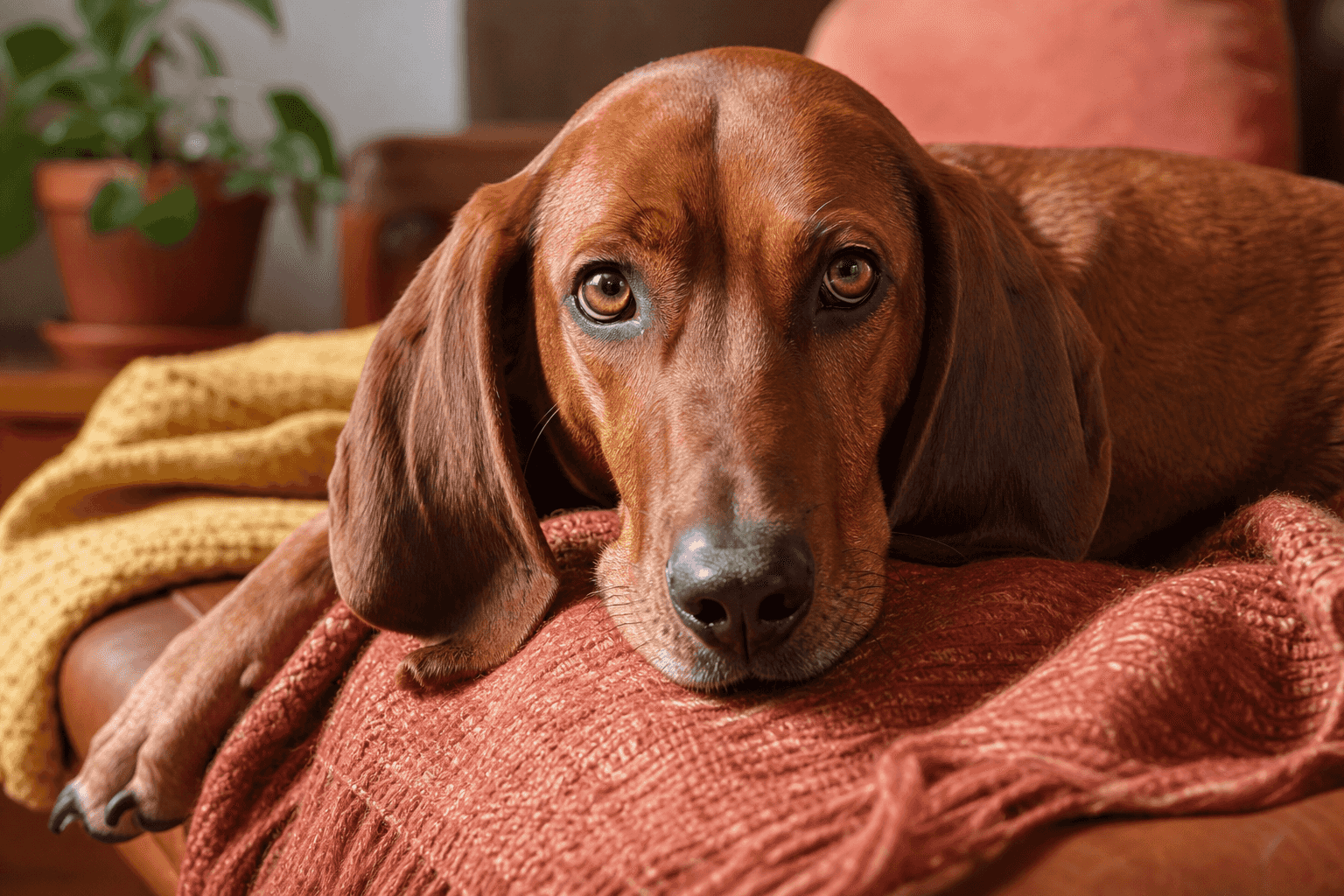
The Brandlbracke — also called the Austrian Black and Tan Hound — is a medium-sized, hunting-focused breed from Austria. And it thrives with one very specific kind of owner.
Here’s the promise: by the end of this guide, you’ll know exactly whether that owner is you — and what daily life with this dog actually looks like.
Let’s get into it.
| Category | Rating |
|---|---|
| Energy Level | |
| Grooming Needs | |
| Trainability | |
| Family Friendly | |
| Apartment Suited |
First, the thing that defines everything else about this dog.
🏞️ Built for Adventure (Not the Couch)
Brandlbrackes were bred to track small game — and that nose is no joke.
They’re happiest with a job to do: hiking, sniffing out trails, exploring the woods right alongside you.
Here’s the catch: if your idea of a big weekend is Netflix and a short walk, this probably isn’t your dog.
These hounds need real exercise. Daily walks are the bare minimum. They truly shine on long hikes and trail runs.
“Give a Brandlbracke a job, and you get a devoted partner. Give it boredom, and you get a project.”
So how much dog are we actually talking about?
💪 Medium Size, Big Energy
They usually weigh 33–49 lbs and stand 18–22 inches tall.
That puts them in a sweet spot — not too big, not too small.
Their size makes them manageable for most homes. And they’re sturdy enough to play with kids without getting knocked around.
Now, about that brain of theirs.
🧠 Smart, But Wonderfully Stubborn
They’re intelligent and trainable — just don’t expect push-button obedience.
Those hunting instincts run deep, so early training and socialization matter a lot.
They’ll listen — especially with a treat involved — but you’ll need patience and consistency.
Think of them like that clever, independent friend who always does things their own way… eventually.
Training rules that actually work
- Start earlySocialize and train from puppyhood while instincts are still shapeable.
- Keep it short and rewardingFrequent 5–10 minute sessions beat one long, frustrating one.
- Use a reliable recallA nose-driven dog will follow a scent — a solid recall keeps them safe.
- Stay consistentMixed signals invite selective hearing. Everyone in the home follows the same rules.
Here’s some genuinely good news.
🛁 A Coat That Practically Cares for Itself
One of the best things about this breed? That short, dense coat is refreshingly low-maintenance.
A quick brush now and then keeps shedding under control. That’s basically it.
But you’ll still need the basics dialed in:
- Brush the coat occasionally to manage shedding
- Clean those floppy ears — they trap moisture and infections
- Trim nails regularly
- Brush teeth for long-term dental health
- Skip frequent baths — they strip natural oils
Can they live in an apartment? Sort of.
🏠 Adaptable — With a Few Conditions
Brandlbrackes can live in apartments. But only if you’re truly committed to their physical and mental needs.
They’d love a big backyard. Still, even without one, they’ll do fine with enough exercise and attention.
Here’s the honest truth: if they get bored, they’ll find their own entertainment.
And that rarely ends well for your furniture, shoes, or peace of mind.
A yard is a bonus, not a workout. Without real activity and mental engagement, a yard just becomes a bigger place to be bored.
Walks help, but this scent hound also needs its brain worked. Combine movement with sniffing and problem-solving for real calm at home.
So what are they like to actually live with?
👨👩👧 Great With Family, Cautious With Strangers
They form strong bonds with their people and are generally affectionate and loyal.
Around strangers? A little standoffish at first — but early socialization smooths that right out.
Once they warm up, they’re all in.
Active families
ExcellentLoyal, sturdy, and up for anything outdoors.
Kids
GoodRobust enough to play, but supervise young children as always.
Strangers
ReservedAloof at first — socialization helps them relax.
Homebody owners
Poor fitUnder-exercised, they get restless and destructive.
Quick poll
Be honest — how active is your lifestyle?
Fueling an athlete matters more than you’d think.
🍽️ Feed the Athlete
This is an active breed, so quality food with a solid protein base is key — think chicken, beef, or fish.
Avoid table scraps. (Tempting, I know.)
And stick to portion control — they gain weight easily when overfed and under-exercised.
Before you commit, know the health picture.
⚕️ Health Watch
Like many medium breeds, they can be prone to a couple of predictable issues.
Hip Dysplasia
A common medium-breed concern. Keep them lean and choose a responsible breeder who screens for it.
Ear Infections
Those floppy ears trap moisture. Regular cleaning and drying is your best prevention.
Keep an eye on their weight and ears, and stay on top of regular vet checkups.
With the right care, they typically live a healthy 12–14 years.
Frequently Asked Questions
They can be, but only for active first-timers ready to commit to daily exercise, early training, and consistent socialization. If you want an easygoing, low-effort dog, this isn’t the ideal starter breed.
Plan on more than a couple of walks. This breed thrives on long hikes, trail runs, and scent-based activities. Physical and mental stimulation together are what keep them calm and content at home.
Yes — they’re loyal, affectionate, and sturdy enough to handle family play. As with any dog, supervise interactions with very young kids and teach children how to interact respectfully.
It’s possible, but demanding. Without a yard, you must fully replace that space with daily outdoor exercise and mental enrichment. A bored Brandlbracke will make its own fun — usually at your furniture’s expense.
They’re smart but independent, thanks to strong hunting instincts. Expect to trade instant obedience for patience, consistency, and plenty of rewards. A reliable recall is especially important for a nose-driven dog.
Very little coat-wise — the short, dense fur only needs an occasional brush. Just stay diligent with ear cleaning, nail trims, and dental care.
Meeting their exercise and mental-stimulation needs day in and day out. This is a working breed at heart, and that energy doesn’t take days off.