Understanding the Gerberian Shepsky: 9 Key Facts
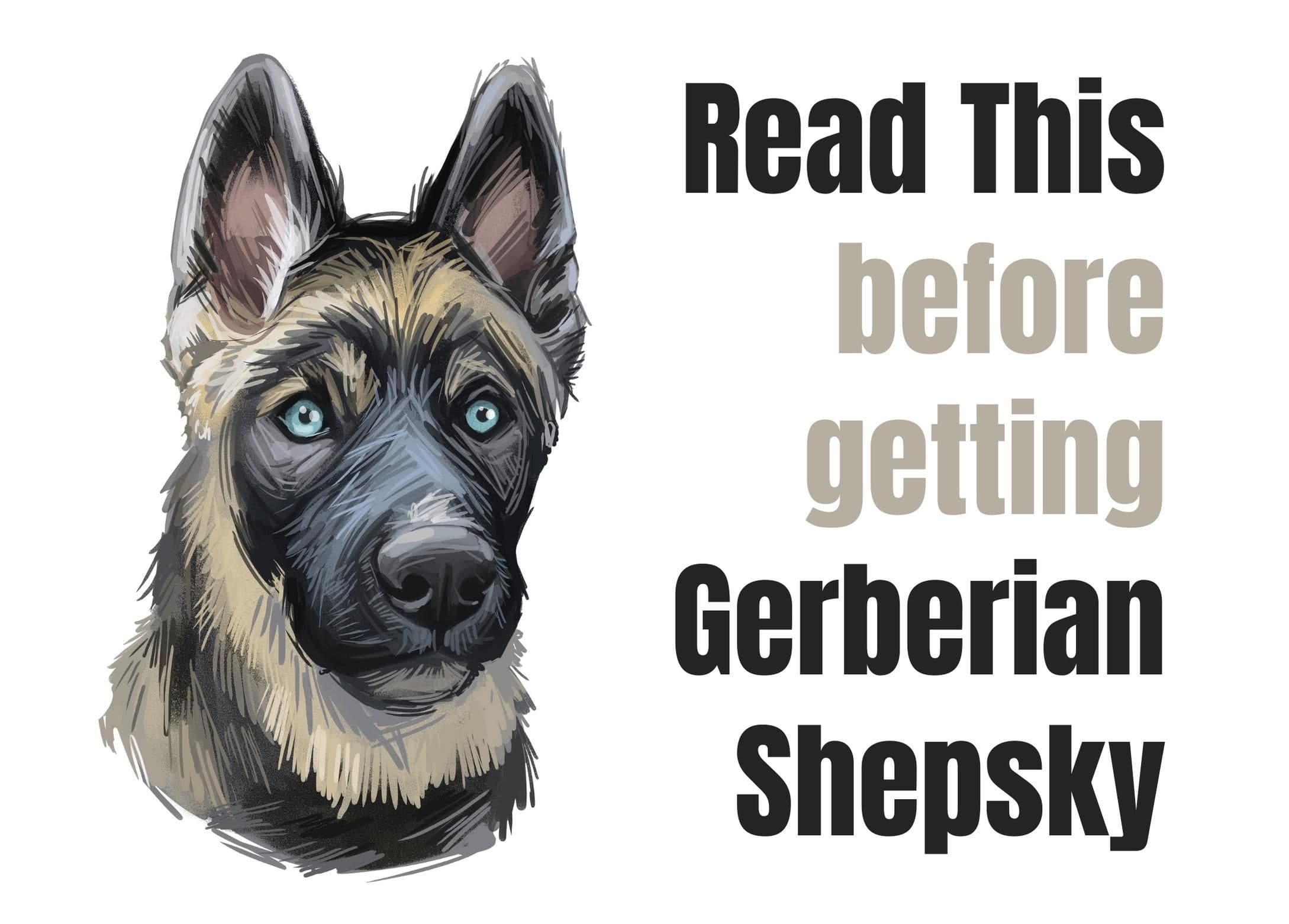
Ever wondered what you'd get if you crossed a German Shepherd with a Siberian Husky? Meet the Gerberian Shepsky — a strong, energetic, jaw-droppingly good-looking crossbreed that's turning more and more heads.
Here's the honest truth: they're not for everyone. But for the right home, they're extraordinary companions.
Below are the 9 things you really need to know before you fall for that face. Number 2 alone stops a lot of people cold.
| Category | Rating |
|---|---|
| Energy Level | |
| Trainability | |
| Affection | |
| Grooming Needs | |
| Apartment Friendly | |
| Quiet Factor |
Let's start with the trait that defines this dog.
1. They've Got Energy to Burn — and Then Some
Picture this: the stamina of a sled dog fused with the work ethic of a herding dog. That's your Shepsky.
This is not a dog who's satisfied with a quick lap around the block.
You're looking at at least two hours of serious exercise every single day — and that's before you factor in mental stimulation.
“A tired Shepsky is a good Shepsky. A bored one will invent its own entertainment — usually at your expense.”
If you love hiking, jogging, or long outdoor weekends, a Shepsky will keep up — and probably outlast you.
But if your idea of a workout is walking to the fridge? This breed will drive you (and your furniture) up the wall.
So can they actually live in an apartment?
2. Apartment Living? Think Twice.
These are big dogs — usually between 45 and 90 pounds — and they need room to move.
Even a roomy apartment won't replace their need to run and explore.
Ideally, they get a large, securely fenced yard.
Set on city living? You can make it work — but be ready to commit real time to outdoor adventures, rain or shine.
Now, about all that gorgeous fur...
3. Shedding Is Part of the Deal
Let's be real: if dog hair bothers you, the Shepsky is not your match.
Both Huskies and German Shepherds are heavy shedders. The mix doesn't tone that down one bit.
You'll want to brush daily and invest in a genuinely good vacuum.
And twice a year? Brace yourself for the "coat blowout" — when it looks like your dog is trying to shed an entire second dog.
- Brush the coat daily (more during blowouts)
- Book a groomer during heavy shedding seasons
- Keep a strong vacuum on hand
- Expect a hair-free home
- Shave the double coat to “fix” shedding
Here's the part people fall in love with.
4. Their Looks Are Show-Stopping
One big reason people fall for Shepskies: they're stunning.
Their coats blend striking colors — black, cream, red, silver, even blue.
And the eyes? Sometimes bright blue, sometimes brown, sometimes one of each.
The good news: what's under that coat is seriously smart.
5. Super Smart and Trainable — If You Put in the Work
This breed thrives on structure.
They're intelligent, eager to please, and capable of learning almost anything — from basic obedience to advanced tricks and even working tasks like search and rescue.
But here's the catch: they need consistent training and real mental challenges.
Without a job, they'll invent one. Usually that means digging craters in the lawn or Houdini-ing their way out of the yard.
How to train a Shepsky the right way
- Start early and stay consistentBegin basic obedience the day they come home and keep the rules the same for everyone in the house.
- Keep sessions short and rewardingFive to ten focused minutes beats one long, boring drill. End on a win.
- Reward, don’t punishThese sensitive, clever dogs respond far better to praise and treats than to harsh corrections.
- Give the brain a daily jobPuzzle feeders, scent games, and new tricks channel that intelligence into good behavior.
Nope. Intelligence means they learn fast — including bad habits. A clever Shepsky without guidance becomes a clever escape artist.
Consistency and clear rewards beat intimidation every time. Fear-based methods often backfire with sensitive, loyal breeds like this.
After all that running around, prepare for a softer side.
6. Big Hearts, Big Cuddles
After a day of running and exploring, Shepskies often melt into oversized cuddle bugs.
They're affectionate, deeply loyal, and love being close to their people.
Don't be surprised when yours tries to climb into your lap — completely unbothered by the fact that they weigh 80 pounds.
Do they play nice with everyone else?
7. Social Butterflies — With the Right Start
Shepskies are naturally friendly and curious.
But like every dog, they need early and ongoing socialization to bring out their best.
With good experiences from a young age, they typically get along great with other dogs, kids, and even cats.
Kids
GreatLoyal and playful — supervise around little ones given their size.
Other dogs
GoodUsually social when introduced and socialized early.
Cats
With carePossible with early exposure, but watch the prey drive.
Strangers
FriendlyCurious and outgoing when raised with varied experiences.
Now for the part responsible owners plan around.
8. Health Can Be a Mixed Bag
As a crossbreed, Shepskies may benefit from "hybrid vigor" — meaning they can dodge some genetic issues common in their parent breeds.
But that's a possibility, not a promise.
Common concerns worth knowing include hip and elbow dysplasia, eye conditions like PRA, and epilepsy.
Choose a health-testing breeder
Responsible breeders screen parent dogs for hip, elbow, and eye issues. Ask to see the results.
Adopting? Gather the history
Ask the rescue or shelter for as much medical background as they have on hand.
Keep up with checkups
Routine vet visits catch problems early, when they’re easiest and cheapest to manage.
Support the joints
A healthy weight and sensible exercise protect those big, active joints for life.
Last one — and you'll definitely hear it.
9. They're Vocal — and Not Shy About It
If you've ever heard a Husky "talk," you know exactly what's coming.
Shepskies can be loud, expressive, and absolutely full of opinions.
Some bark. Some howl. Some full-on sing.
It's charming — right up until it's 6 a.m. and they're serenading a squirrel outside the window.
Training helps take the edge off, but let's set expectations: you'll never have a silent dog.
Quick poll
What would be your biggest Shepsky challenge?
Let's answer the questions you're probably Googling.
Frequently Asked Questions
Honestly, they’re a stretch for beginners. They need serious exercise, consistent training, and plenty of time. A committed, active first-timer can absolutely succeed — but a busy or low-energy household will struggle.
Not long, and not often. They bond hard and have loads of energy, so long stretches alone can lead to boredom, anxiety, and destruction. A few hours with a well-exercised dog and enrichment is more realistic than a full workday alone.
They’re a vocal breed — expect barks, howls, and “talking.” Training reduces the noise, but this is not a quiet dog. If you have close neighbors or thin walls, factor that in.
Yes, they’re typically loyal and playful with kids, especially when socialized early. Just supervise interactions with small children given the dog’s size and enthusiasm.
They usually get along well with both when introduced early and socialized properly. Keep an eye on their prey drive around cats and small pets, particularly at first.
For most owners, it’s the relentless exercise and mental stimulation. Skip it, and you get destructive behavior. The heavy shedding runs a close second.
Expect high adolescent energy through the first couple of years. Many mellow somewhat as they mature, but this stays an active breed for life — plan accordingly rather than waiting for a quiet phase that won’t fully arrive.