Essential Facts to Understand About Mastiffs
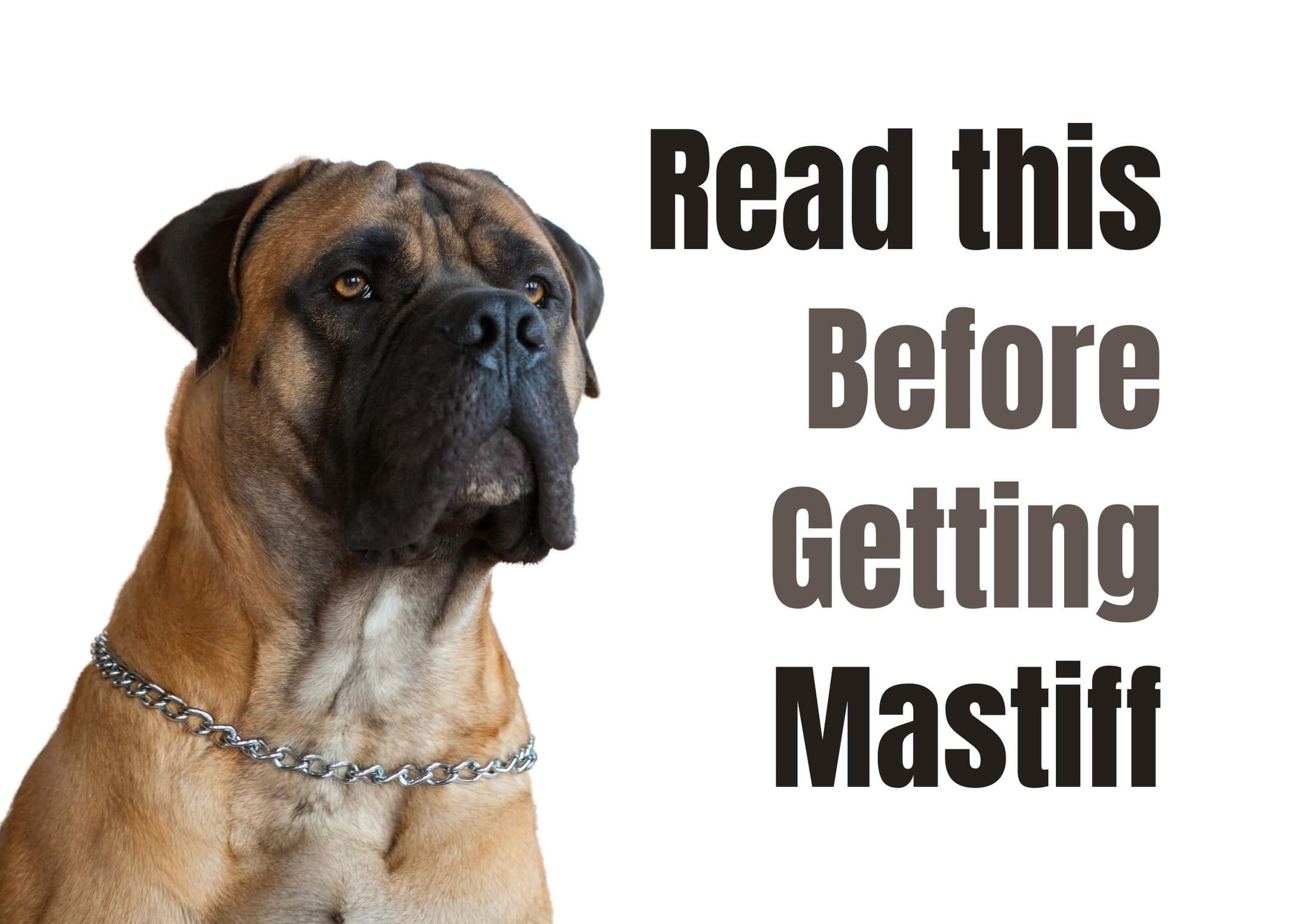
Thinking about bringing home a Mastiff? Good — because these gentle giants are unlike any other dog you'll ever share your couch with.
They're loyal. They're calm. They're absurdly, gloriously large.
But here's the truth most people skip past: a Mastiff isn't a casual pick. Loving big dogs is one thing — being ready for one is another.
So before you fall for those droopy puppy eyes, let's walk through the 9 things you genuinely need to know.
1. When we say "Mastiff," we mean English Mastiff
Here's the first bit of confusion to clear up.
There are plenty of "mastiff-type" breeds out there — Neapolitan, Tibetan, Bullmastiff, and more. Each has its own look, size, and temperament.
But when someone just says "Mastiff," they almost always mean the English Mastiff — the original, and the largest of them all.
So where did this giant come from?
2. Ancient warriors turned couch potatoes
The Mastiff's story is genuinely epic.
These dogs descend from ancient war and guardian dogs — used in places like Babylon to hunt lions and protect villages. They were bred to be brave, powerful, and fiercely protective.
Fast-forward a few thousand years, and you've got a dog whose favorite hobby is napping on the biggest cushion in the house.
“They've gone from battlefield brutes to mellow homebodies — but that protective instinct never fully left.”
So what does that mean for you? They're not aggressive by default. But they are natural guardians. That ancient wiring still shapes how they react to strangers on your doorstep.
3. They are absolutely massive
Let's not sugarcoat this. Mastiffs are enormous.
A full-grown Mastiff can weigh as much as a grown adult — sometimes more. When a dog this size leans on you for cuddles, you don't just notice it. You brace for it.
Before you commit, make sure you're ready for what that size actually demands:
- A dog bed roughly the size of a loveseat
- A monthly food bill that rivals your grocery budget
- The physical strength to control them on leash
- Real space — indoors and out
- Assuming a big apartment will be "fine"
And that giant puppy? It stays a puppy for a while.
4. Puppyhood lasts years
This one surprises new owners constantly.
Mastiffs are slow to mature. By 12–18 months they may look fully grown — but mentally, they're still goofy, clumsy puppies until around 3 years old.
What feels like stubbornness in an adolescent Mastiff is often just plain immaturity.
5. They're smart — and stubborn
Now, here's where it gets interesting.
Mastiffs are working dogs. That means they're smart enough to learn just about anything you'd want to teach them.
The catch? They'll do it if they feel like it.
Pros
What works
- Consistent, short daily sessions
- Positive reinforcement and treats
- Starting training as a young puppy
- Calm, confident leadership
Cons
What backfires
- Harsh corrections or intimidation
- Skipping early training
- Repetitive drilling that bores them
- Inconsistent rules between family members
Here's why this matters so much with this breed specifically: an untrained small dog is annoying. An untrained 200-pound Mastiff is potentially unsafe — for you and for everyone around it.
“Their sheer size turns training from a nice-to-have into a non-negotiable.”
6. Socialization is non-negotiable
Even with great training, a poorly socialized Mastiff can become a serious problem.
Remember that guardian instinct? It cuts both ways. A well-socialized Mastiff sees a visitor and stays calm. A poorly socialized one may see the same visitor as a threat.
How to socialize a Mastiff the right way
- Start earlyThe window in puppyhood matters most. Introduce new experiences before fear responses set in.
- Go wideDifferent people, dogs, sounds, surfaces, and environments — not just your backyard.
- Keep it positivePair every new experience with calm praise and treats so novelty feels safe, not scary.
- Stay consistentSocialization isn’t a one-time checklist. Keep exposing your dog to the world throughout its life.
7. They need movement — not marathons
Good news for the not-so-athletic among us.
You don't need to run miles with a Mastiff. Their massive frames simply aren't built for high-impact activity, and pushing them too hard can strain their joints.
But "low exercise" doesn't mean "no exercise."
Daily walks
Steady, moderate strolls keep weight in check and joints moving. Think slow-but-steady walking buddy.
A safe space to stretch
A fenced yard lets them amble and sniff at their own pace without leash strain.
Avoid overexertion
Skip the long runs and repetitive jumping, especially while they’re still growing.
Mind the heat
Their size and short muzzle make hot, humid weather risky. Walk in the cool parts of the day.
Now for the part every future owner needs to read carefully.
8. Bigger usually means a shorter lifespan
This is the hardest truth about giant breeds.
Like most very large dogs, Mastiffs typically live only 6–10 years. It's the tradeoff that comes with all that size.
They're also prone to several health issues worth knowing about upfront:
Bloat
A sudden, life-threatening emergency where the stomach twists. Learn the signs — it’s the one every giant-breed owner must recognize.
Joint problems
Hip and elbow dysplasia are common. Managing weight and avoiding overexertion helps protect those joints.
Heart conditions
Regular vet checks help catch cardiac issues early.
Eye disorders
Some Mastiffs develop hereditary eye conditions worth screening for.
Certain cancers
As with many large breeds, cancer risk is elevated. Early detection matters.
9. Grooming is easy — the drool is not
Here's some relief after that last section.
Mastiff coats are short and low-maintenance. A weekly brush usually keeps them looking good and keeps shedding under control.
But the drool? Oh, the drool.
“Keep towels in every room and learn to embrace the slobber. It's part of the package.”
Mastiffs are famous for it — especially right after eating or drinking. A good shake of the head can redecorate a wall. If a tidy, spotless home is your priority, this breed will test you.
Quick poll
Be honest — is the drool a dealbreaker for you?
Quick recap before we answer your questions.
The Mastiff at a glance
| Category | Rating |
|---|---|
| Affection with family | |
| Trainability | |
| Exercise needs | |
| Grooming (coat) | |
| Drool factor | |
| Good for first-time owners |
Frequently Asked Questions
Honestly, they’re a tough first dog. Their size, stubborn streak, and need for confident training make them challenging for beginners. If it’s your first dog, you’ll want strong commitment, ideally some training support, and a realistic understanding of what a 200-pound companion demands.
Like most companion breeds, Mastiffs bond closely and don’t love long stretches alone. A few hours is fine for a well-adjusted adult, but long daily absences can lead to boredom, stress, and destructive behavior. Build up alone-time gradually from puppyhood.
Not usually. They tend to be quiet dogs that bark with purpose — often to alert you to something. That said, their deep, booming bark certainly gets attention when they do use it.
Generally yes — they’re known for being patient and gentle with family. But their size alone can knock over a small child by accident. Always supervise interactions and teach kids to respect the dog’s space.
With early socialization, many Mastiffs coexist peacefully with other pets. Raising them alongside other animals helps a lot. Their guardian instinct means introductions to unfamiliar dogs should be calm and controlled.
For most owners it’s a mix: the physical size, the short lifespan, the health risks like bloat, and the sheer volume of drool. None of it is a dealbreaker if you go in prepared — but all of it is real.
They mature slowly. Expect goofy, puppy-like behavior until around three years old. After that, most settle into the mellow, dignified adult the breed is famous for.
The bottom line
English Mastiffs can be incredible companions — loyal, loving, and surprisingly gentle for their size.
But they're not for everyone. They need space, training, patience, a real budget, and an owner who understands what they are.
Because if you've ever lived with one, you already know the secret: they may be drooly and enormous — but they've got hearts to match their size.