9 Best Dog Breeds for Night Owls
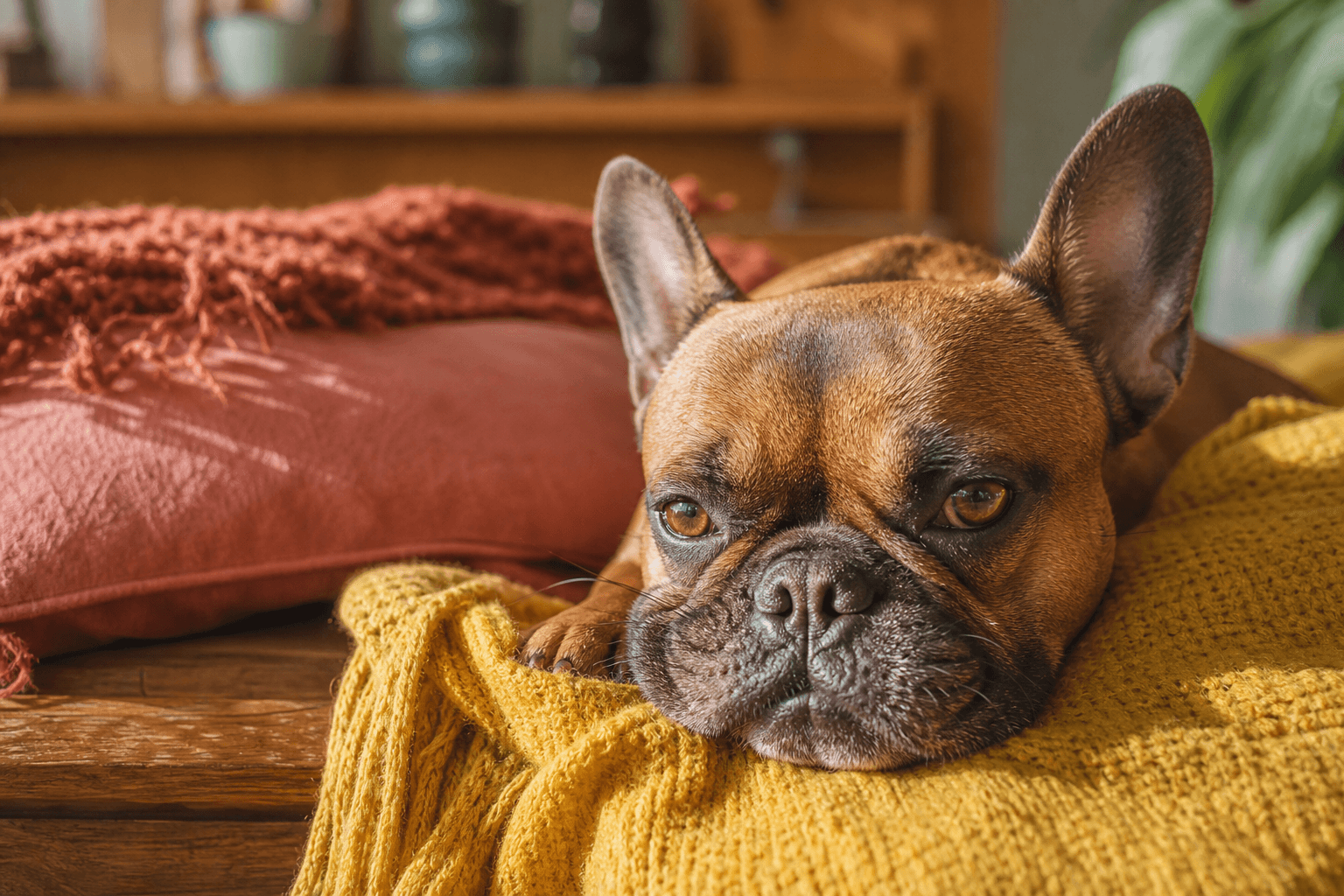
You keep late hours, and you want a dog who will happily do the same.
We pulled together breeds that are famously flexible, low-drama in the mornings, and content with evening walks.
Here are the nine that fit a night-owl life without constant guilt or 6 a.m. side-eye.
Late-riser energy
Breeds that won’t badger you at sunrise and love a slow start.
Short-burst exercise
Content with one or two longer evening walks or zoomies.
Apartment-friendly
Generally quiet or low-intensity at home.
Independent streak
Okay hanging out while you work odd hours.
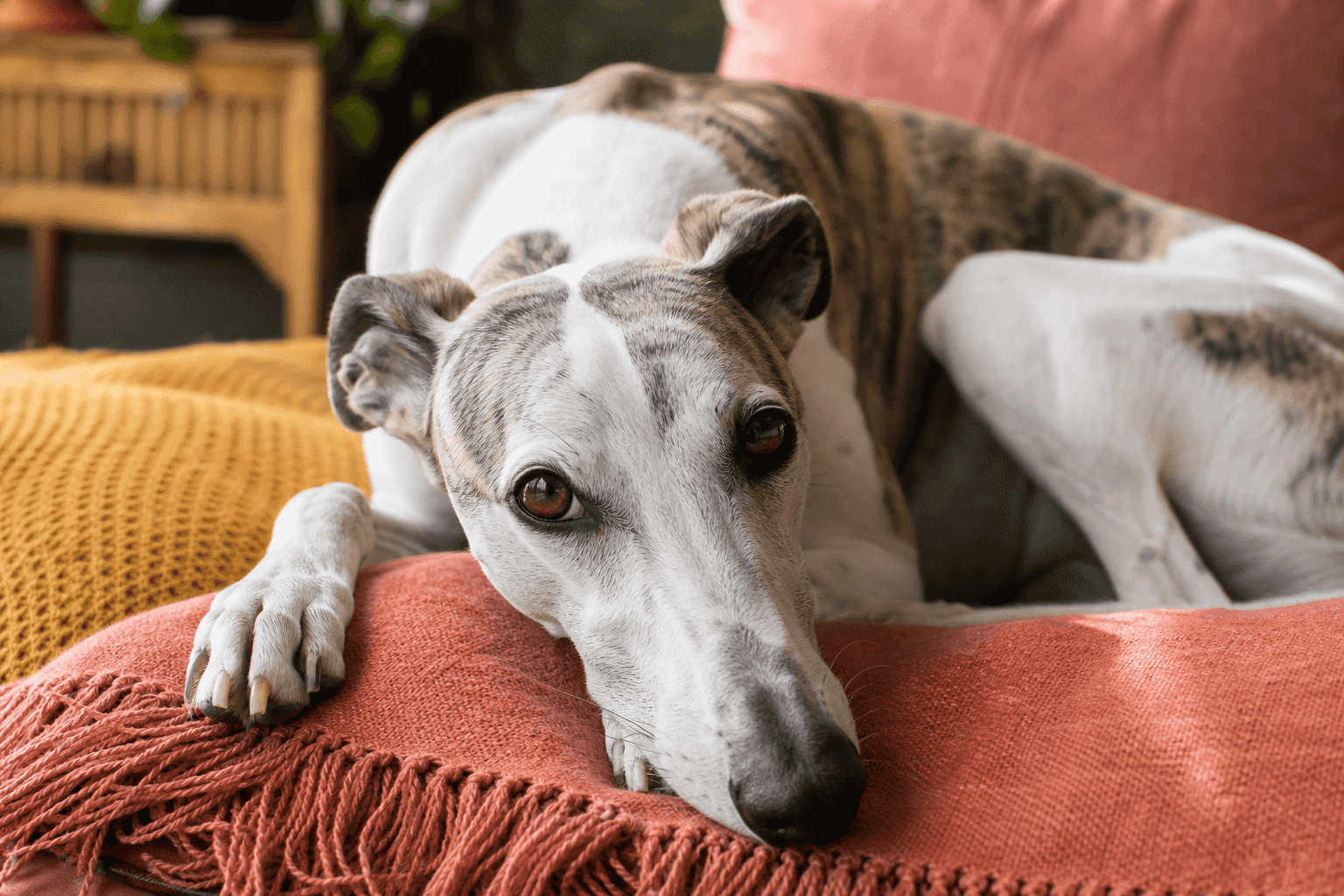
1. Greyhound
Race-dog past, couch-potato present. Greyhounds are famous for sleeping 16 to 18 hours a day and saving their speed for short sprints.
They’re typically quiet, gentle, and perfectly fine with an 8 p.m. long walk and a midnight last potty break. Just pack a coat for cold nights and keep sprints on safe footing.
2. Whippet
Think “Greyhound-lite.” Whippets love to curl up, stay calm indoors, and burst into play when you are finally off the clock.
They do best with a cushy bed, a warm sweater in winter, and a couple of evening fetch or lure-chase sessions. Minimal barking makes them great for shared walls at night.
3. French Bulldog
Compact, charming, and keen to nap beside you while you edit at 1 a.m. Frenchies need moderate exercise, not marathons, and they generally enjoy late-evening strolls.
Watch heat and humidity, since brachycephalic dogs overheat easily. Night walks are actually a plus in warm climates when the pavement is cooler.
4. Boston Terrier
Bostons are cheerful, people-focused, and game for play when you are. They won’t demand crack-of-dawn hikes, and they learn a new routine quickly with consistency.
Expect snorts and some nighttime snoring. Keep their bedroom space cool and use a white-noise machine if you’re a light sleeper.
5. Basset Hound
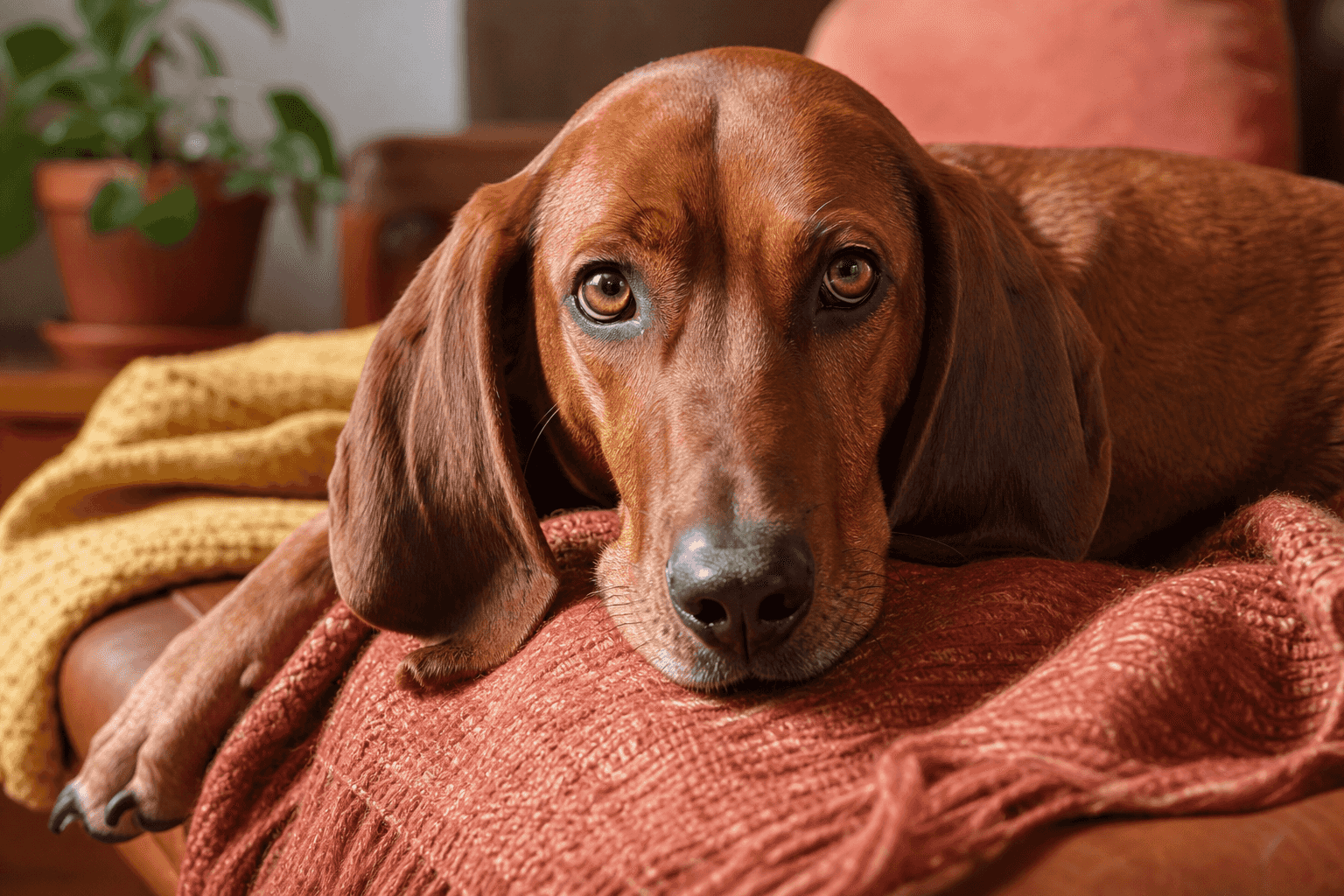
Low-slung, low-energy, and famously chill indoors. Bassets love a long sniffari after sundown and then a heap of sofa time.
They can be vocal on scent, so channel that nose with sniffing games before bed. Keep an eye on weight and provide joint-friendly beds.
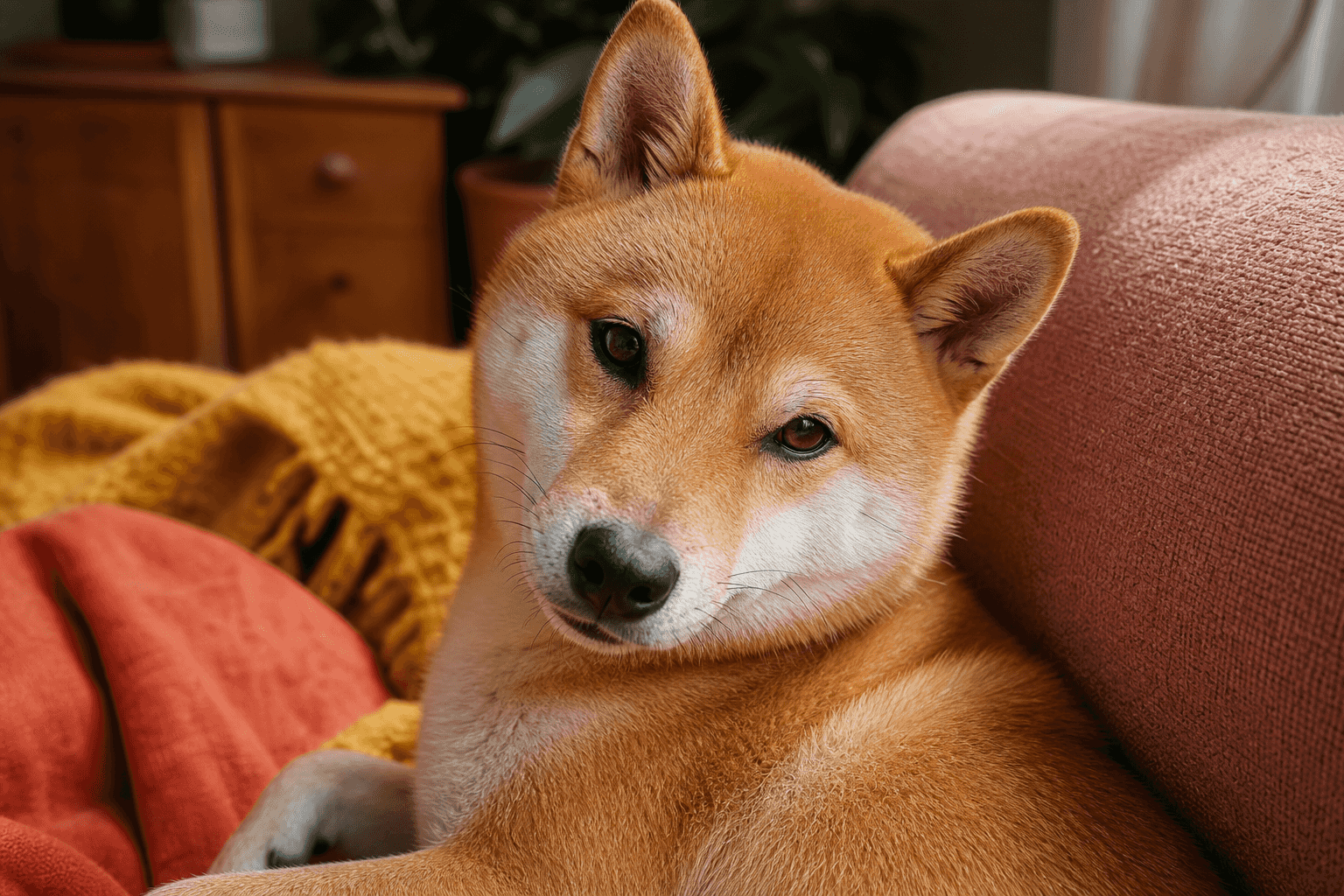
6. Shiba Inu
Independent and tidy, Shibas aren’t usually clingy alarm clocks. Many are content to lounge in the morning and engage when your day starts at dusk.
They’re smart and can get bored, so add evening training games and flirt-pole play. Socialization is key to curb aloofness and reduce reactivity on quiet, shadowy streets.
7. Basenji
The “barkless” dog that yodels instead. Basenjis are sleek, catlike, and typically quiet in apartments, which suits night schedules.
They need brain work and structured exercise, but it can all happen after dark. Plan puzzle feeders and scent work to take the edge off before bedtime.
8. Bulldog (English)
Bulldogs thrive on a predictable but low-intensity routine and love snoozing while you burn the midnight oil.
Because of their build, keep exercise short and the environment cool. Night-owl life fits perfectly in hot regions where daylight workouts are risky.
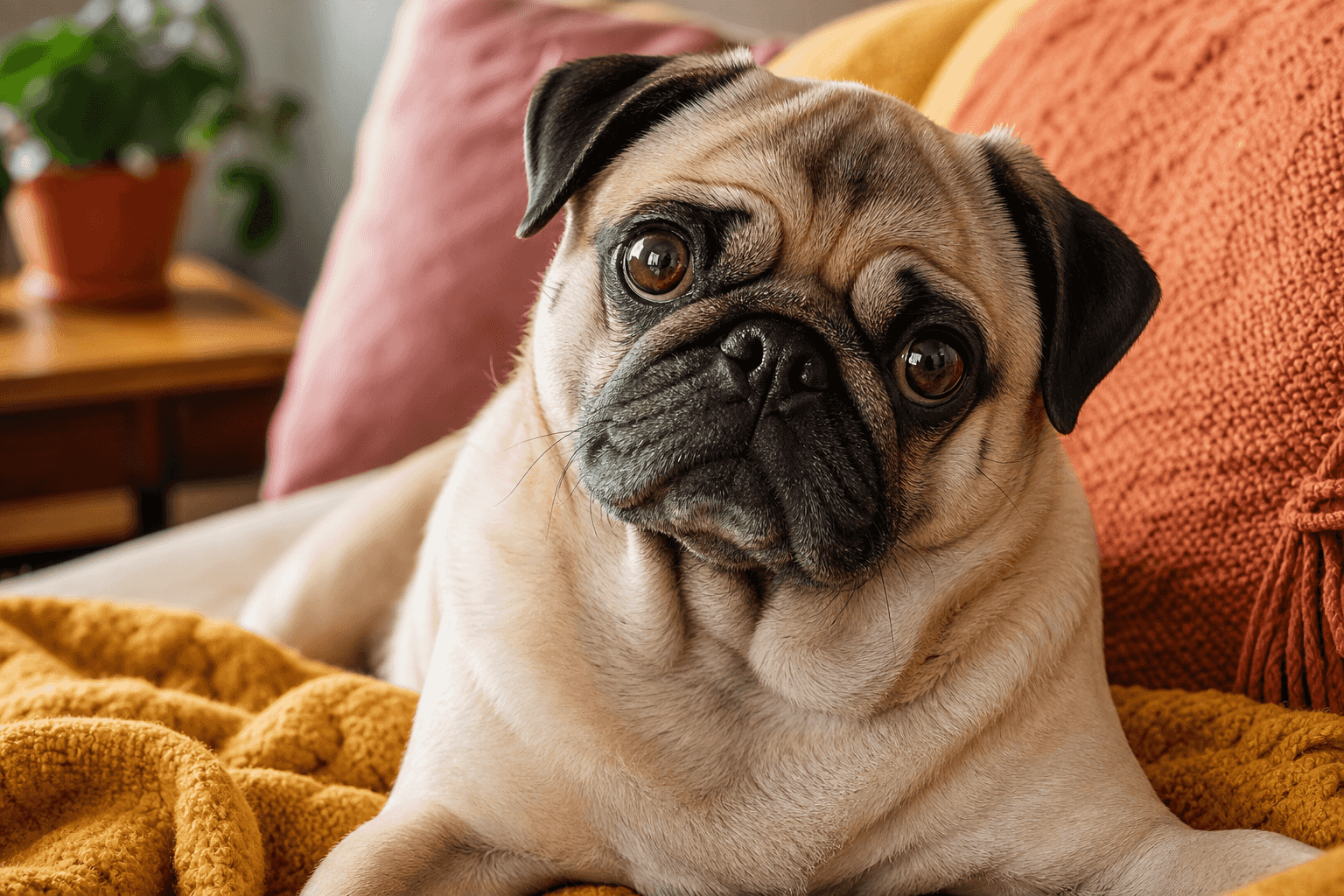
9. Pug
Affectionate clowns who match your vibe and happily nap through late mornings. Pugs need modest activity and lots of companionship.
They can snore and overheat, so prioritize cool-night walks and a breathable harness. Calm enrichment before bed helps them settle.
Keep your schedule humane and your dog happy with a few simple guardrails
Make a night-owl routine work
- Anchor two daily walks: one substantial evening session, one lighter late-night potty loop.
- Flip the mental work: training, puzzles, and sniffing games after sunset take the edge off.
- Hire daytime help on long shifts: a mid-afternoon walker preserves bladder health and sanity.
- Dark-hour visibility: reflective gear, a lighted collar, and routes with good sightlines.
Yes. Dogs thrive on consistency more than clock time. Shift meals, walks, and lights-out gradually over 1–2 weeks, keep the pattern steady, and most healthy adults adjust well.
Greyhounds and Whippets are famously calm and low-bark indoors. Basenjis rarely bark, though they can yodel; good management keeps noise low.
Avoid breeds bred for dawn patrol or high-vigilance guarding if you have close neighbors — many will alert-bark at nocturnal sounds. Also avoid very young puppies if you cannot provide daytime breaks.
Often, yes. Seniors sleep more and enjoy gentle evening strolls. Just plan for more frequent bathroom breaks and joint-friendly beds.
Front-load mental work after dinner (sniff walks, training), finish with a calm chew, dim the lights, and keep a consistent last-potty routine.