9 Best Dog Breeds for Cold Climates
You want a dog that thrives when the temperature drops, not one that shivers at the first snowflake.
These breeds were shaped by frost, wind, and work — and they are happiest when winter shows up.
We have lived with cold-weather dogs for years; here are the nine that consistently deliver in the snow and how to keep them comfortable.
Arctic-ready coats
Dense double coats trap air for insulation and shed snow and light rain.
Work heritage
Sledding, hauling, guarding, and herding in winter forged stamina and purpose.
Snow-savvy paws
Tight, well-furred feet with good traction help prevent ice packing.
Big lungs, big engines
Efficient metabolism supports activity in freezing temps.
Curly tails
Some curl them over the nose to warm inhaled air while resting.
Steady temperament
Calm judgment in storms and around ice is a real asset.
1. Siberian Husky
Bred by the Chukchi people to pull light loads over vast distances, Huskies are built for bitter cold.
Their **medium-length double coat** insulates without overheating, and their fox-like tails curl over the nose during rest.
Expect high energy and a love of running; you will want secure fencing and mental work alongside those winter adventures.
2. Alaskan Malamute
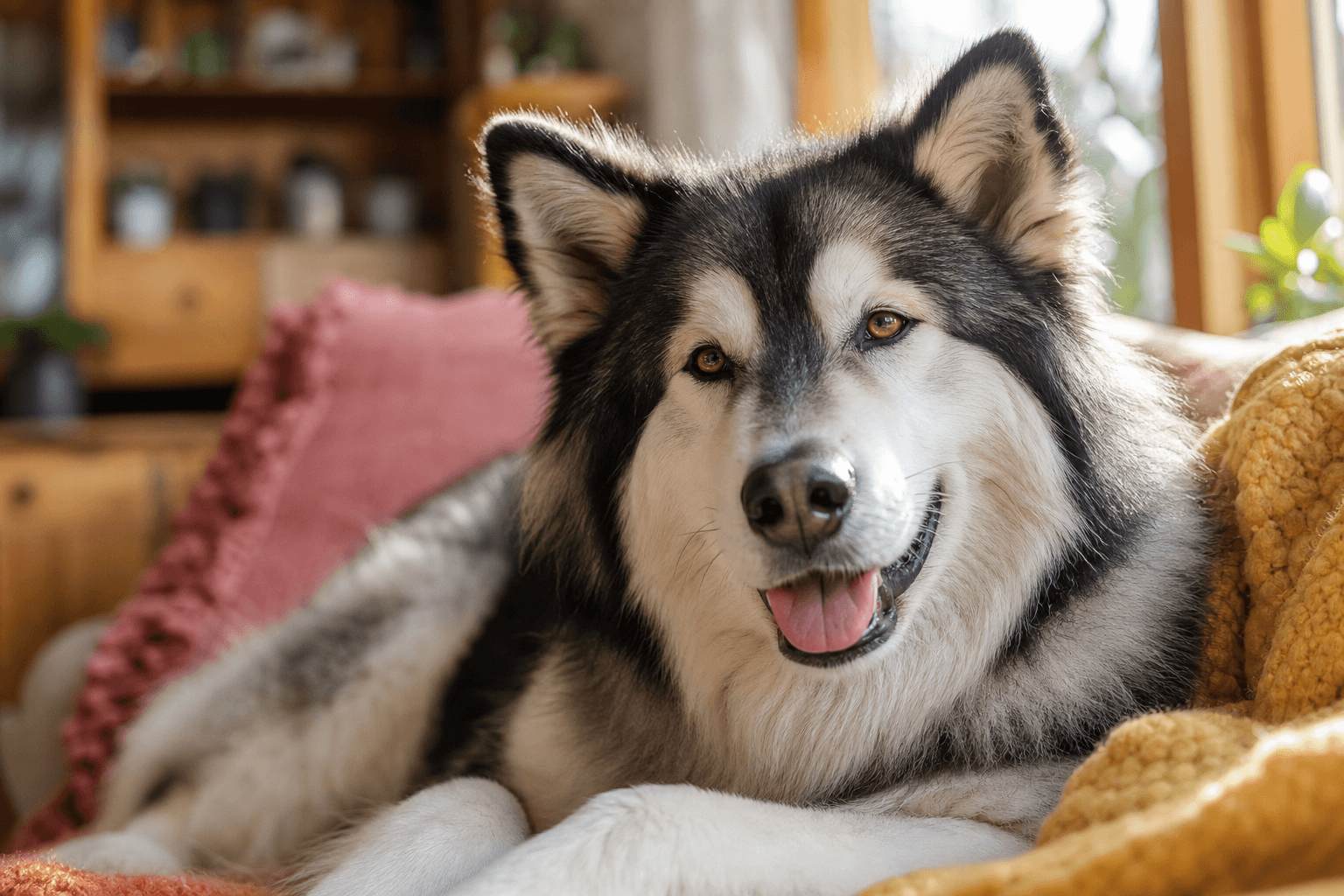
Think freight hauler: Malamutes are heavier and more powerful than Huskies, bred to pull serious weight in deep snow.
They sport a **plush, weatherproof coat** and broad, snowshoe-like feet that keep them on top of powder.
They are affectionate and steady, but need structure to channel strength and prevent digging or wandering.
3. Samoyed
That smile is real — and so is the coat. Sammies were reindeer herders and sled helpers in Siberia, living close to families in frigid tents.
Their **thick, spitz-type coat** sheds dirt and snow, and they tolerate cold play sessions beautifully.
They do best with daily jobs, from pulling a kicksled to learning advanced tricks.
4. Newfoundland
Water rescue icons, Newfies are winter naturals thanks to **oily, water-resistant double coats** and massive frames that hold heat.
They move slowly but surely on ice and are famously gentle.
Mind joint health, keep them lean, and towel them dry after slushy outings to protect skin.
5. Saint Bernard
Bred for alpine rescue, Saints are calm in storms and carry a **dense coat** suited to mountain cold.
Short- and long-haired types exist; both manage cold well, but wind protection matters on exposed ridges.
They overheat in warm houses, so provide cool resting spots and measured exercise.
6. Bernese Mountain Dog
Farm dogs from the Swiss Alps, Berners have a **long, silky double coat** and an easygoing nature.
They love snow romps and purposeful tasks like carting or nose work.
Because cancer and joint issues are concerns, keep winter exercise low-impact and steady rather than frantic.
7. Norwegian Elkhound
A Viking-era hunter, the Elkhound is compact, agile, and wrapped in a **weather-shedding gray coat**.
They stay cheerful on long, chilly hikes and have the voice to prove it — plan for training to manage barking.
Daily exercise and scent games keep this clever spitz balanced.
8. Akita
From snowy northern Japan, the Akita brings a **thick double coat** and a guardian mindset.
They tolerate subfreezing walks with ease, especially on firm, grippy snow.
Early socialization and consistent handling matter; keep sessions short and positive to match their independent streak.
9. Tibetan Mastiff
Raised on cold, high plateaus, this guardian wears a **massive, insulating coat** and thinks carefully before acting.
They prefer crisp nights and quiet patrols to busy dog parks.
Secure fencing and low-impact exercise suit their size and style; expect seasonal coat blow that fills a vacuum canister fast.
Sometimes. Dry, still cold is easier on them than wet, windy cold. Add a breathable coat in sleet or strong wind, and use booties if ice melt or crusty snow is present.
Shivering, stiff posture, tucked tail, lifting paws, slowing down, or seeking your legs for shelter are early signs. Head home and warm them gradually.
Avoid shaving. The double coat regulates temperature and protects skin. Instead, de-shed, brush routinely, and provide shade and cool water.
Rinse after walks to remove salt, trim fur between pads to reduce ice balls, use a wax barrier or booties, and keep nails short for traction.