9 Belgian Malinois Training Mistakes That Quietly Slow Your Progress
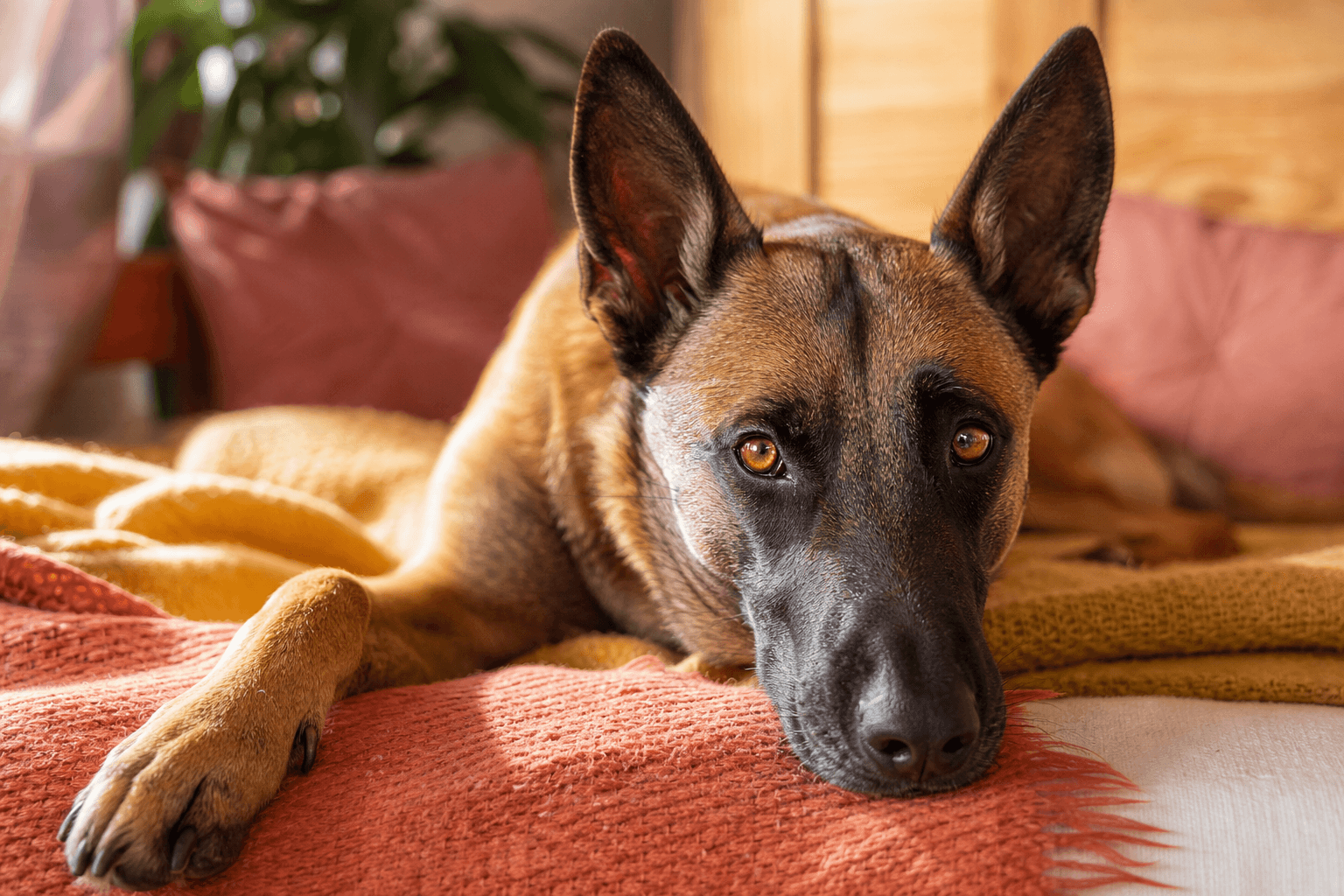
You picked a Malinois because you love drive, brains, and big heart-in-your-throat potential.
But potential does not equal progress if a few quiet mistakes keep sneaking in.
Here are the nine missteps we see most — and the exact pivots that get you moving forward again.
1. Skipping Impulse Control First
Drive is the engine; impulse control is the brakes. Many Malinois plateau because we chase flashy heeling before we install sit, down, stay, place, and calm door manners.
Start each session with one minute of stillness. Reward a quiet eye flick to you, a soft body, and a held position while the world moves.
2. Over-Correcting Without Clarity
Corrections without a taught behavior create confusion, not learning. A Malinois will push to figure out the rules; if the rules keep changing, conflict grows.
Teach the behavior to fluency on low distractions, layer in a known cue, then add gentle consequence for a known non-response. Information before inhibition.
3. Underestimating Exercise and Enrichment
Underworked Malinois do not focus; they fray. Physical work is non-negotiable, but so is mental work.
Blend structure: a brisk walk, sprint intervals or fetch, plus ten minutes of nosework or food puzzles. Quality beats sheer minutes; a thinking session drains more than a monotone jog.
4. Inconsistent Cues and Criteria
We say down, then lie down, then tap the floor, then repeat when the dog looks away. That is four cues for one behavior.
Pick one cue, one hand signal, and one release word. Define criteria in a sentence: what the behavior looks like, how long it lasts, and when it ends. Then hold that line.
5. Rushing Off-Leash Too Soon
Reliability is not a feeling; it is repetitions under distraction with a long line before freedom. Skipping this step is how recalls fail when deer appear.
Work a 20 to 30 foot line, pay generously for check-ins, and proof around staged temptations before removing management.
6. Mistaking Socialization for Neutrality
Many Malinois do not want to be the life of the dog park; they need to be neutral in its presence. Flooding with chaotic meet-and-greets backfires.
Practice parking on a mat at a distance where your dog can breathe, look, and then look back to you. Pay calm observation, not pushy engagement.
7. Training at the Wrong Arousal Level
Too low and you get flat responses; too high and thinking disappears. Malinois ride that edge quickly.
Warm up with easy wins, split hard reps into micro-sets, and insert one-minute decompression walks. When pupils blow wide and mouth clamps shut, you are over threshold — downshift.
- Short, crisp sessions with decompression breaks
- Proof behaviors before adding pressure
- Unstructured dog-park chaos for socialization
- Off-leash freedom before long-line reliability
8. Sloppy Reward Timing and Mechanics
With a Malinois, speed matters. Late markers and messy delivery teach the wrong picture.
Mark the instant criteria are met, then deliver with purpose: food straight to mouth for stillness, toss behind to reset heel position, or tug presented low to keep fronts on the floor. Where you pay shapes how they perform.
9. Ignoring Rest and Decompression
High output demands high recovery. Without off-switch training and sleep, arousal stacks and reactivity rises.
Protect naps, use settle cues on a bed, and schedule daily sniffy walks with zero obedience. Rest is a training plan item, not a leftover.
Put it all together without the overwhelm
Your simple weekly rhythm
- Mon, Wed, FriSkill blocks plus long-line proofing; end on a calm mat settle.
- Tue, ThuConditioning and scent games; light obedience only.
- SatField trip for neutrality; distance first, then duration.
- SunRecovery day: sniff walk, chew, nap.