7 Things to Know Before Getting a Tarantula
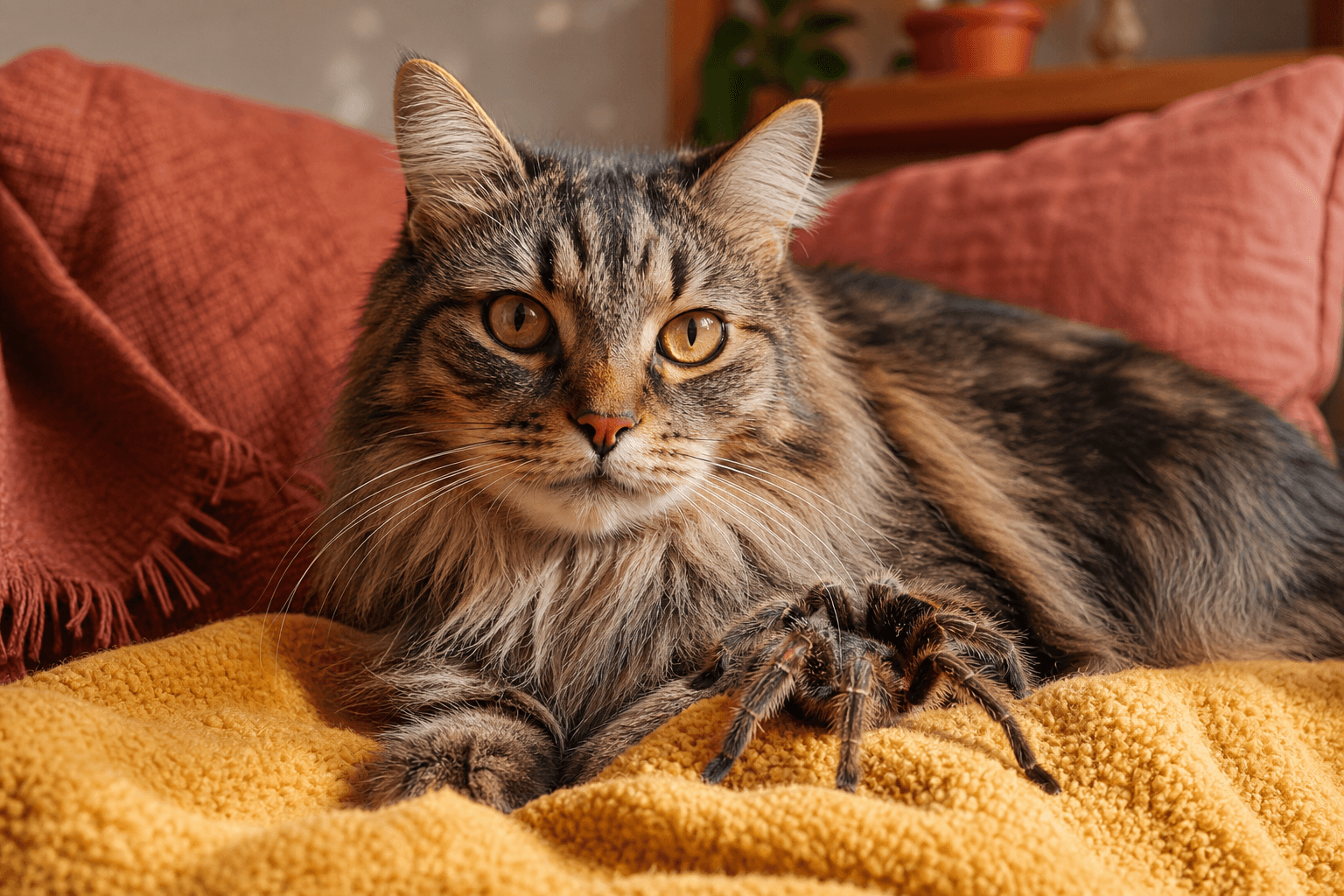
You clicked because tarantulas are fascinating, low-mess, and a little mythical.
You want the real prep list, not a care novel.
Here are the seven things that actually matter before you bring one home.
Read this first, then you can browse species photos guilt-free
1. This Is a 5–20+ Year Commitment
Many beginner species live 8–12 years; females of some species can pass 20. Males often live fewer years, sometimes just 3–7 after maturity.
If you want a long-term, low-drama pet, that lifespan is a feature. If you prefer turnover, a male or a shorter-lived species might suit you better.
2. Handling Is Optional—and Often Not Recommended
Tarantulas are display pets. Most do not enjoy handling, and falls can be fatal because their abdomen is delicate.
New World species have urticating hairs that can cause itching or eye irritation. Old World species lack these hairs but tend to be faster and more defensive, with more potent venom.
3. Species Temperament and Speed Matter More Than Color
Choose your first tarantula for behavior, not looks. Some stunners are also sprinters that teleport when spooked.
Beginner-friendly picks
Grammostola pulchripes (Chaco golden knee), Brachypelma hamorii (Mexican red-knee), Tliltocatl albopilosus (curly hair): generally calm, hardy, slower.
Challenging for beginners
Poecilotheria spp., Stromatopelma, Heteroscodra: fast Old Worlds; defensive, potent venom, demand experience.
Research adult size and lifestyle (terrestrial vs. arboreal) to match the right enclosure and your comfort level.
4. The Right Enclosure Is Small, Secure, and Species-Appropriate
Tarantulas don’t want palaces; they want stability and hides. Too much empty space increases fall risk for terrestrials.
Terrestrial setup
Low, escape-proof enclosure; 4–6 inches of compactable substrate for burrowing; a cork hide; shallow water dish.
Arboreal setup
Tall, well-ventilated enclosure; vertical cork tube or bark; anchor points for webbing; smaller floor space, more height.
Ventilation prevents mold; locks prevent escapes. Avoid heat lamps—ambient room temps usually suffice for common species.
Plain coco fiber or a coco/organic topsoil mix, packed firmly. Skip perfumed soils, fertilizers, and sharp wood chips.
Only if your room is cool long-term. Most thrive at 68–75°F (20–24°C). Use a thermostat and never place heat under the enclosure for burrowers.
As a rule: terrestrial floor space about 3–4x leg span long and 2–3x wide; arboreals get more height than floor area. Keep headroom modest for terrestrials to prevent falls.
5. Feeding Is Simple—but Not Every Day
Juveniles eat more often; adults often once every 1–3 weeks. Offer appropriately sized live prey like crickets, dubia roaches, or mealworms.
Remove uneaten prey after 24 hours, especially during a molt. A water dish is important even for species from arid regions.
They have slow metabolisms. Overfeeding leads to dangerously swollen abdomens and lethargy.
A clean water dish reduces dehydration risk and helps during pre-molt and post-molt recovery.
6. Molting Will Scare You the First Time
Before a molt, your tarantula may stop eating, web up, and look darker. That’s normal.
When it flips on its back, it is not dead—it’s molting. Increase peace and quiet, keep prey out, and never try to help shed the old exoskeleton.
7. Maintenance Is Low—but Precision Matters
Weekly: refill water, spot clean, check webbed-over prey remains. Monthly or as needed: refresh part of the substrate and wipe condensation if ventilation is poor.
Care checkpoints
- Humidity and ventilationMatch species needs. Good airflow with a full water dish beats constantly wet substrate for most beginners.
- Escape-proofingLatch lids, plug cable holes, and supervise any enclosure opening.
- Quarantine new arrivalsHouse separately, avoid cross-contamination of tools, and freeze feeder bedding periodically to reduce mites.
- You’re comfortable with a no-handle, display-style pet.
- You can identify terrestrial vs. arboreal needs and set up accordingly.
- You have a plan for safe feeding and dealing with escapes (catch cup).
- You want a cuddly, interactive pet.