7 Things to Know Before Getting a Siamese Cat
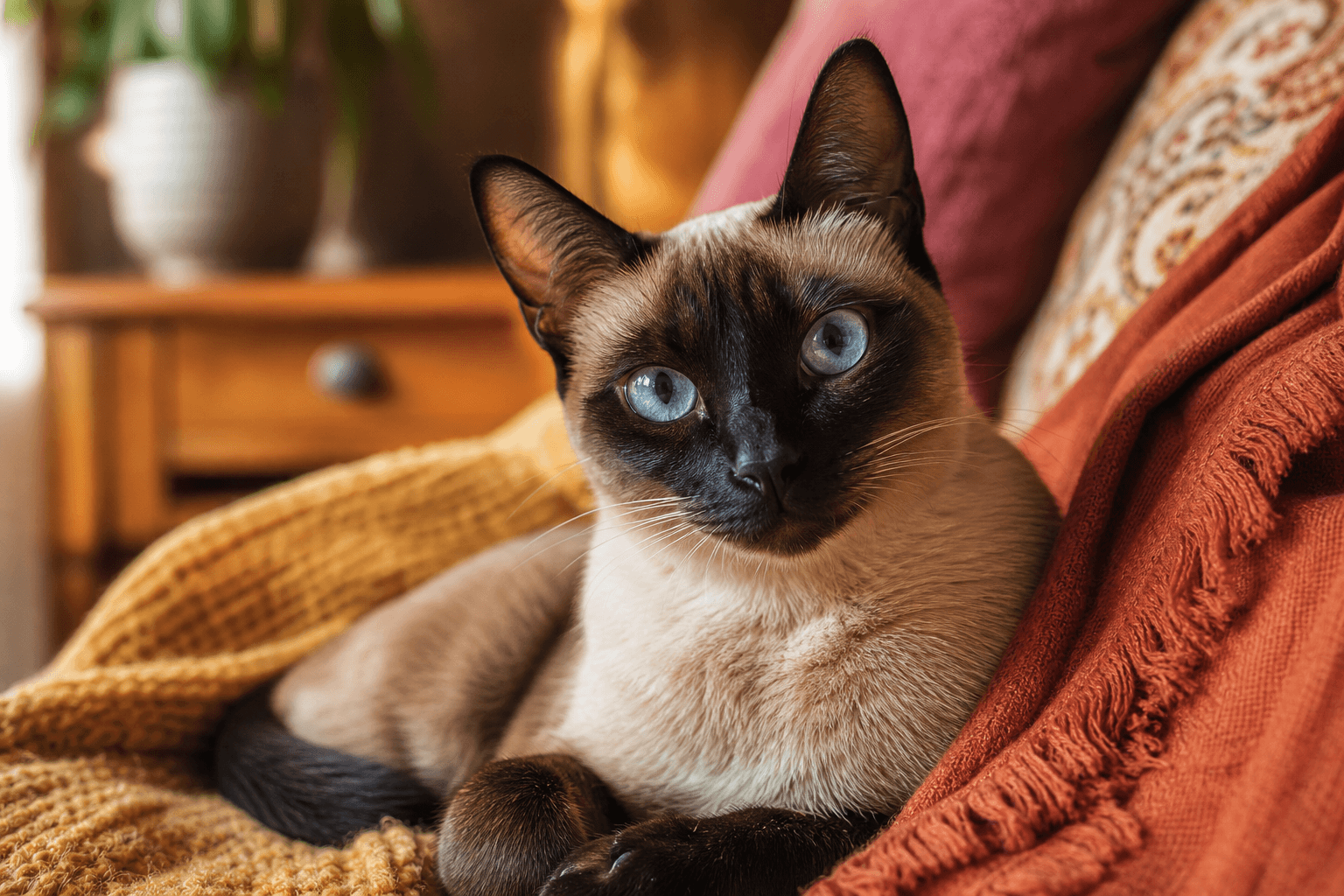
You fell in love with those ice-blue eyes and chatty charm.
Before you bring a Siamese home, here are the exact things that actually affect daily life.
We live with this breed — consider this your fast, honest download.
1. They Have A Lot To Say
Siamese are famously vocal — not just meows, but full-on conversations with trills and yowls.
If you want a quiet cat, this is not it. They narrate their day, ask where you are, and remind you when dinner is late.
Most of the talking is need-based: attention, play, food, or boredom. Meet the need, and the volume drops.
Love the chatter? You’ll love the attachment even more.
2. They Are True Velcro Cats
Expect a shadow. Siamese want to be where you are — desk, couch, bathroom.
This is heart-melting, but it also means they do poorly with long daily absences.
Best Match
Work-from-home people, households with another friendly pet, or someone who enjoys interactive time daily.
Think Twice
If you travel often or are out 10+ hours most days, plan for a second pet or a sitter with playtime.
3. Daily Playtime Is Non‑Negotiable
Under the elegance is a high-energy athlete. Kittens and young adults especially need outlets.
Plan on two to three 10-minute play sessions with a wand toy that lets them jump and chase.
Rotate toys weekly to prevent boredom and redirect night zoomies into evening play.
4. They Are Brilliant (Train Them!)
Siamese thrive on mental work. Clicker training is not just possible — it is fun for them.
Teach sit, target, spin, high-five, even harness walking. Use tiny treats and 3–5 minute sessions.
Quick training rules
- Keep sessions shortQuit while they’re still eager.
- Mark the momentUse a click or “yes” to pinpoint success.
- Pay wellHigh-value treats beat kibble when learning.
- End on a winOne clean rep, then stop.
5. Low Grooming, Not No Grooming
Short coats shed less, but they still shed. Weekly brushing cuts hair around the house and supports skin health.
Dental care matters. Start toothbrushing early with cat-safe paste and a small brush or finger brush.
Keep nails trimmed every 2–3 weeks and offer multiple scratch options: vertical post, horizontal pad, and a sturdy tall post for full-body stretches.
6. Health Quirks To Screen For
Reputable breeders and shelters will be open about risks. In Siamese lines, watch for dental disease, heart issues like hypertrophic cardiomyopathy, and respiratory sensitivity.
Ask for vet records and, for breeder cats, proof of routine screenings. Early spay/neuter, vaccines, and a baseline exam set you up well.
7. Set Up A Siamese-Friendly Home
They need vertical space, safe windows, and boredom-busting stations.
Environment
A tall, stable cat tree, window perches with secure screens, and cozy nap zones in rooms you use.
Enrichment
Puzzle feeders, toy rotation bin, and a daily play schedule posted on the fridge to keep everyone consistent.
- Two+ scratchers in different styles
- Wand toy sessions twice daily
- Toothbrush + cat-safe paste ready
- Another social pet or plan for company
- Assuming they’ll be quiet and independent
Often yes, if the kids are gentle and the other pets are friendly. They like interactive families and can bond deeply with cat-savvy dogs or another playful cat.
No special brand, but choose a complete, high-protein diet appropriate for age. Use puzzle feeders to slow eating and add enrichment.
Occasionally is fine, but routinely long absences can lead to vocalizing and stress. Consider a second pet, a midday visitor, or structured enrichment.
Yes, lightly to moderately. Weekly brushing and good omega-3 intake help keep coats sleek and reduce loose hair.
Most are chatty, but individuals vary. Well-exercised, mentally engaged cats tend to meow less demandingly.