7 Things to Know Before Getting a Russian Tortoise
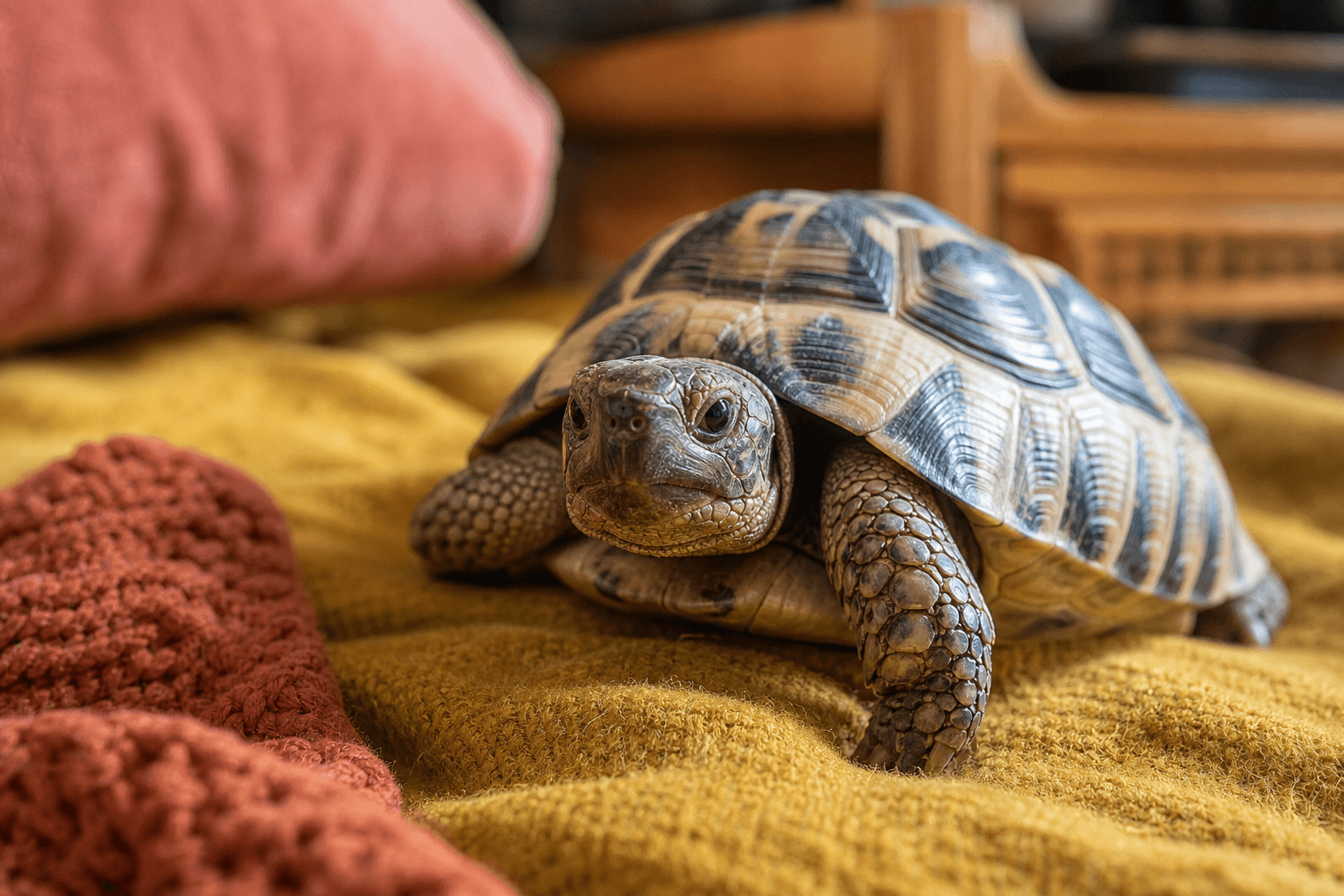
You clicked because you want the real, keeper-level basics before you bring home a Russian tortoise.
Perfect. These seven points are exactly what we wish someone had told us on day one — short, precise, and field-tested.
Read this now, save yourself fixes later.
1. They Need More Space Than Pet Stores Say
Russian tortoises are small, but they roam. An adult does best with at least a 4x2 foot enclosure indoors; bigger is better.
Skip glass aquariums. They trap humidity, heat poorly, and shell-smear. Go for a wooden tortoise table or a large, open-top enclosure with good airflow.
Minimum indoor footprint
48x24 inches for one adult; more room supports natural pacing and foraging.
Outdoor time
Secure, predator-proof pen in warm weather is gold. Shade + sunny basking patches are a must.
Space handled? Let’s dial in life-critical heat and light.
2. Heat and Light Are Non‑Negotiable
They are a Mediterranean species. That means they need a warm basking spot and bright, high-quality UVB.
Target a basking surface of about 95–100°F with a cooler zone near 70–75°F. Night drops to room temp are fine if the room stays above mid‑60s.
Use a proper UVB bulb (T5 HO 10.0/12% tube or a quality mercury vapor bulb) mounted overhead, no plastic or glass between the bulb and tortoise. Replace UVB tubes roughly every 12 months per manufacturer guidance.
3. Their Diet Is 90% Weeds and Greens
Think dry, fibrous, broadleaf plants — not fruit bowls.
Staples include dandelion greens/flowers, plantain (the lawn kind), sow thistle, chicory, endive, escarole, spring mix heavy in dark leaves, and occasional prickly pear pads. Avoid spinach and beet greens as regulars due to oxalates, and skip fruit entirely.
Hydration
Offer a shallow, tip-proof dish. Soak adults weekly for 15–20 minutes in lukewarm water.
Hay helps
Timothy or orchard grass hay boosts fiber. Mix small amounts into greens to promote gut health.
4. The Right Substrate Prevents Health Issues
They dig and like it dry to slightly dry.
Use a mix such as topsoil (without fertilizers) blended with play sand at roughly 60/40, or coconut coir mixed with soil for structure. Depth of 3–5 inches lets them burrow and thermoregulate.
Keep ambient humidity low to moderate (think 30–50%). Persistent dampness invites shell and respiratory problems.
5. Personality: Curious, Grounded, and a Bit Stubborn
Russians are bold for tortoises. They patrol, bulldoze decor, and watch you like a neighbor over the fence.
Handling should be minimal and steady-handed — they tolerate brief lifts, but thrive when left to explore a safe setup.
Pros
What we love
- Hardy and forgiving once heat/UVB/diet are correct.
- Active daytime behavior makes them fun to watch.
- Do well solo — no social housing required.
Cons
What to plan around
- Escape artists: low walls are an invitation.
- Can ram glass; opaque walls reduce stress.
- Don’t mix males; even pairs can fight.
6. Common Health Pitfalls to Avoid
Most issues trace back to husbandry. Get these right and you dodge 90% of vet visits.
- Metabolic bone disease: from poor UVB or low calcium. Signs include soft shell edges and weakness.
- Respiratory infections: from chill + damp. Keep that basking zone consistent and substrate not wet.
- Parasites: common in wild-caught imports. Choose captive-bred if possible and schedule a fecal exam after purchase.
- Quarantine new arrivals for 60–90 days away from other reptiles.
- Weigh weekly; unexplained losses mean a husbandry or health issue.
- Avoid fruit and high-protein pellets; they stress kidneys and gut flora.
- Do not hibernate a new or underweight tortoise the first winter.
Lettuce is mostly water and lacks fiber and minerals. Rotate nutrient-dense weeds and greens.
Heat rocks cause burns. Use an overhead basking bulb to warm surfaces, not bellies.
Activity needs floor space. A tortoise table outperforms a glass tank.
7. This Is a Long, Low‑Maintenance‑But-Consistent Commitment
Russian tortoises can live 40+ years with good care. You are choosing a slow, steady routine over decades.
Daily: offer fresh, fibrous greens and check temps. Weekly: soak, spot-clean, and weigh. Seasonally: replace bulbs on schedule and refresh substrate.
Annual Cost Breakdown
| Expense | Annual Cost |
|---|---|
| Greens and weeds (supplemented) | $120–$250 |
| Electricity for heat/UVB | $60–$150 |
| Supplements and consumables | $20–$40 |
| Vet reserve (not every year) | $0–$200+ |
| Est. Annual Total | $200–$600 typical year |
Healthy, established adults can brumate, but it is optional in captivity. Skip it the first year and any time weight or health is questionable.
A T5 HO 10.0/12% tube mounted 10–14 inches above the shell with no barrier is a reliable, bright choice for open-top tables.
Best practice is one per enclosure. Males fight, and mixed pairs lead to relentless courting and stress.
Offer food daily in the morning so they can bask and digest. Adjust portions to maintain a slow, steady weight curve.
In suitable climates, a secure pen with sun, shade, dry shelters, and a dig-proof perimeter offers the best quality of life. Always predator-proof.