7 Things to Know Before Getting a Persian Cat
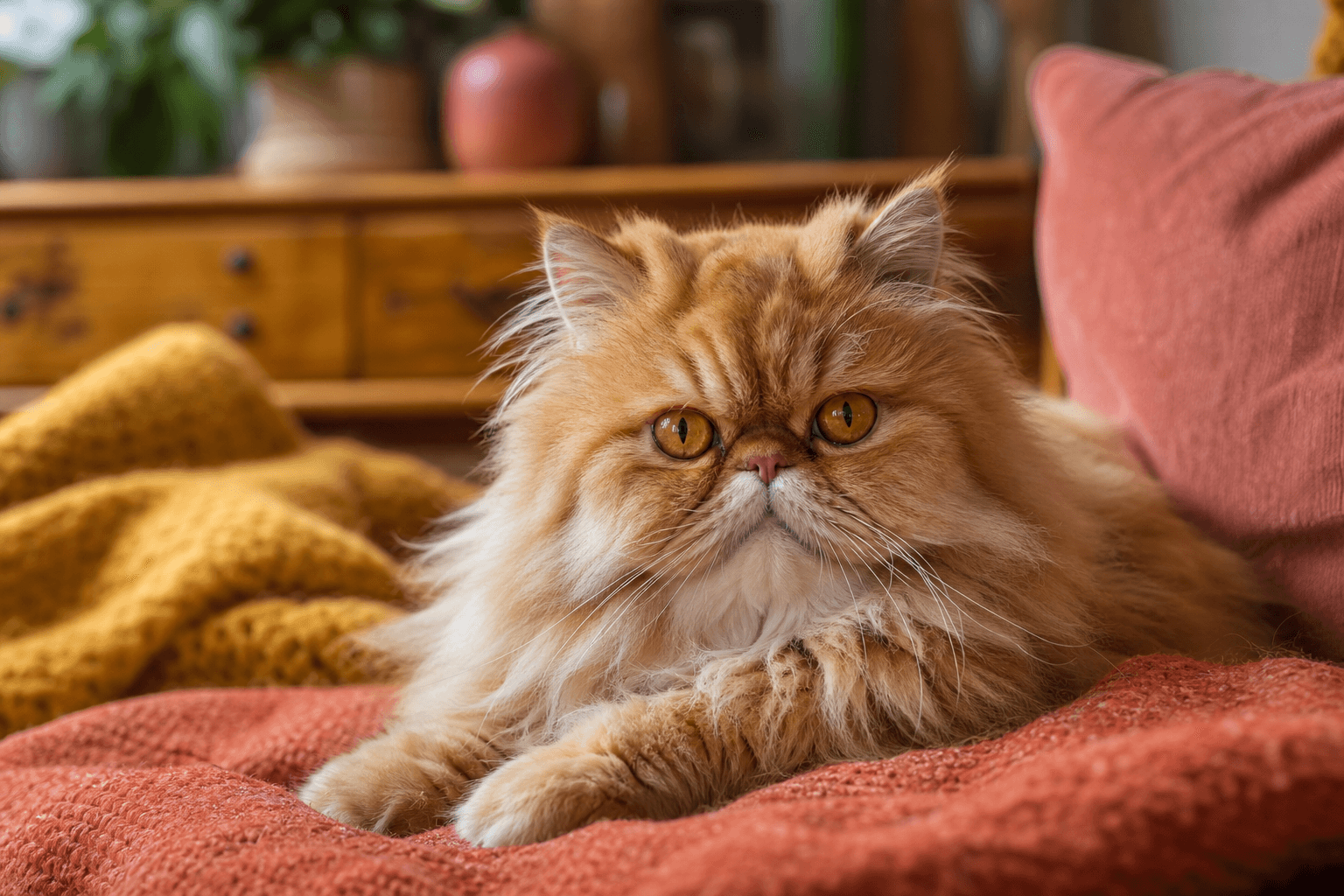
You fell for the big eyes and cloud-soft coat. We get it — Persians are irresistible.
Before you bring one home, here are the seven things that actually shape daily life with a Persian.
Read this first, and you will know exactly what you are signing up for.
1. Grooming Is a Daily Habit, Not a Weekend Chore
The Persian coat is long, dense, and prone to mats. Skipping even a couple of days can create tight knots that pull the skin.
Plan on 5–10 minutes of brushing every day with a metal comb and slicker, plus a weekly deep session. If mats form, do not yank — gently tease apart or see a professional groomer.
2. Tear Stains and Eye Care Are Part of the Look
Many Persians have prominent tear overflow due to their facial structure. That means daily wiping to keep the fur clean and the skin comfortable.
Daily Wipe
Use warm, damp cotton pads to gently clean the inner corners and under-eye fur.
Dry After
Pat dry to prevent irritation. Moisture trapped in facial folds can cause dermatitis.
Safe Products
Stick to vet-approved eye wipes. Avoid anything scented or harsh.
Watch for Red Flags
Thick discharge, redness, or squinting needs a vet visit.
3. Brachycephalic Health: What That Flat Face Means
Persians are a brachycephalic breed, which can affect breathing, dental spacing, and heat tolerance. Not every Persian struggles, but awareness is essential.
- Heat sensitivity: Keep them cool, avoid strenuous play in warm rooms, and never leave them in hot spaces.
- Breathing noise: Mild snuffling can be typical; labored breathing is not — call your vet.
- Dental care: Crowded teeth trap plaque. Start toothbrushing early and schedule regular cleanings.
If you want a lap cat, you are in the right place — with a few caveats.
4. Temperament: Calm, Affectionate, and a Little Selective
Persians are typically gentle, placid, and people-focused — more likely to curl beside you than climb your curtains.
They bond deeply but may choose a favorite person. Busy households can work, but they thrive with predictable routines and soft handling.
Pros
Why people love them
- Sweet, quiet companions — great for apartments and relaxed homes.
- Low prey-drive energy indoors; easy to entertain with wand toys and puzzle feeders.
- Usually tolerant of being held if introduced kindly and given choice.
Cons
Trade-offs to expect
- Not a high-action playmate for kids who want constant chase games.
- Daily grooming and eye care are non-negotiable.
- Some can be shy with visitors; socialization matters.
5. Your Home Setup Matters More Than You Think
Make the environment do the heavy lifting for comfort and coat care.
- Place beds and perches away from heat vents and direct sun to help breathing and comfort.
- Use covered litter boxes for less mess.
- Offer two low-sided, open litter boxes per cat to protect coats and whiskers.
- Add a grooming station: comb, slicker, detangling spray, and treats within reach.
- Run an air purifier to reduce dust that clings to long fur.
Skip covered litter boxes if tear and respiratory issues are present; better airflow and space make a difference.
6. Real Costs: Grooming, Vet Care, and Time
Beyond the adoption or purchase fee, expect recurring costs.
Annual Cost Breakdown
| Expense | Annual Cost |
|---|---|
| Quality food and litter | $600–$1,000 |
| Routine vet care and vaccines | $200–$400 |
| Dental cleaning (as needed) | $200–$700 |
| Professional grooming (optional but common) | $200–$600 |
| Insurance or savings fund | $300–$600 |
| Est. Annual Total | $1,500–$3,300+ |
Time is a cost too: plan for daily grooming and a few short play sessions to keep weight steady.
7. Choosing a Responsible Breeder or Rescue
Where your Persian comes from shapes their health and temperament for years.
Non-negotiables
- Health testingBreeders should provide PKD DNA results for both parents and share vet records. Rescues should disclose known medical history.
- Face structurePrefer moderate (doll-face) or responsibly bred Persians with open nostrils and good chin alignment to reduce breathing risk.
- SocializationKittens raised in-home with gentle handling adapt more easily to family life.
- Contract and supportClear return policy, spay/neuter agreement when appropriate, and guidance post-adoption.
No breed is truly hypoallergenic. Persians shed and produce Fel d 1 like other cats. Regular grooming and air filtration can help, but allergies may persist.
Clipping is optional. Many owners do a sanitary or belly trim every 6–8 weeks. Full lion cuts can stress some cats; daily combing often makes them unnecessary.
Yes, with calm introductions. Choose gentle, cat-savvy dogs and teach kids quiet handling. Provide safe, high perches and retreat spaces.
Around 12–15 years on average with good care, though genetics and health management play big roles.
Persians do best indoors due to coat maintenance, face structure, and traffic/predator risks. Build enrichment inside: climbing shelves, window perches, and play.