7 Things to Know Before Getting a Chinchilla
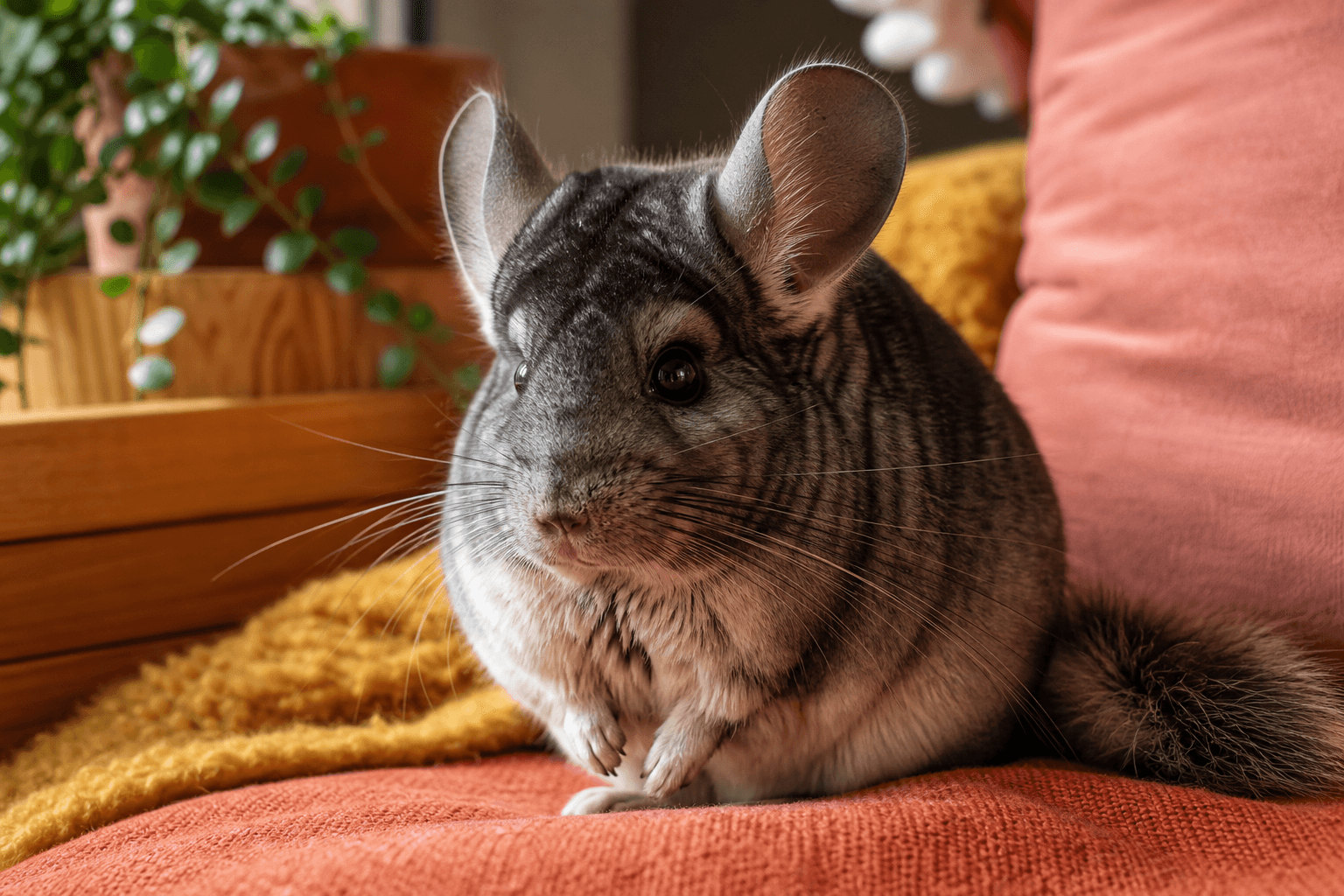
You fell for those big ears and the cloud-soft fur. We get it.
Chinchillas make delightful companions, but they are not low-maintenance plush toys.
Here are the seven things we wish every new chin parent knew before bringing one home.
1. They Can Live 15+ Years
Chinchillas are a long-term commitment. With good care, many reach 10–15 years, and some pass 18–20.
That means budgeting for vet care, food, and enclosure upgrades over a decade or more—and thinking through college moves, career changes, and landlords.
2. Heat Is Dangerous
Chinchillas evolved in cool, arid Andes climates. They do poorly in warm, humid homes.
Keep ambient temperatures roughly 60–70°F (16–21°C) with low humidity. Over 75°F (24°C) risks heat stress, and 80°F+ can be life-threatening.
Cool air, safe space, happier chin
3. The Right Cage Is Tall, Safe, and Quiet
Think vertical condo, not hamster bin. Chinchillas leap, climb, and sprint in bursts.
Choose a tall, multi-level metal cage with solid or safely covered shelves—wire floors can injure feet. Provide stable ledges at varied heights and a hide box to retreat and sleep.
Size & layout
Aim for generous height with multiple platforms. Avoid steep drop-offs; add ramps or close gaps.
Materials
Powder-coated metal is best. Skip soft plastics—your chin will chew them.
Flooring & bedding
Solid base with paper bedding or fleece liners you can wash.
Quiet location
Place the cage away from drafts, direct sun, and loud TVs. Chins are crepuscular and value calm.
They’re also dust bath tornadoes—so prepare for some fallout and plan an easy-clean zone.
4. Dust Baths Are Non‑Negotiable
That silky coat should never get wet. Instead, provide a chinchilla-specific dust bath (aluminum-free pumice dust) in a covered bathhouse 2–4 times per week for 5–10 minutes.
Over-bathing can dry skin; under-bathing leads to a greasy coat. Remove the bath after the session to keep it clean and prevent it becoming a litter box.
Water traps in their dense fur and can cause chilling or fungus. Dust baths clean by absorbing oils.
Sand can be too abrasive or dusty in the wrong way. Use chinchilla bath dust designed for their coat.
5. Diet Is Hay-Heavy and Simple
Most health issues start with the bowl. A good chinchilla diet is unlimited grass hay (timothy or similar) plus a small portion of plain, high-fiber chinchilla pellets.
Treats should be rare and simple—think a tiny piece of dried rose hip or a single oat. Sugary fruits, seeds, and mixes with colorful bits can upset their gut and teeth.
Feeding rules that save vet bills
- Hay first, alwaysKeeps teeth worn and the gut moving.
- Measure pelletsA tablespoon or two per day, brand-dependent—check with your exotics vet.
- Slow changesTransition foods over 7–10 days to avoid GI upset.
- Fresh waterUse a sipper bottle or heavy ceramic bowl; clean daily.
6. Handling Takes Patience (and Gentle Hands)
Chinchillas are prey animals. Many don’t love being grabbed, especially from above.
Start with hand-feeding hay, then brief, supported holds close to the body. Never lift by the tail tip—support the chest and base of the tail if needed for stability only.
- Daily out-of-cage time in a chin-proofed room
- Supervision during play (they are fast!)
- Allow hiding when scared—don’t force cuddles
- Grabbing, chasing, or loud surprises
7. They Chew—Plan Enrichment and Protection
Those teeth grow continuously. Without safe outlets, they’ll sample baseboards, wires, and furniture.
Offer pumice stones, kiln-dried pine or apple wood, cardboard rolls, and chew-safe toys. Rotate items weekly to keep interest high.
Pros
Why embracing the chew helps
- Natural chewers keep teeth healthy with the right materials
- Mental stimulation reduces stress and cage bar-chewing
Cons
The trade-offs
- They will test every edge—expect cosmetic nibbles
- You must fully pet-proof electrical cords and houseplants
They can be, with adult supervision. Chins are delicate and quick, so older, calm children who understand gentle handling do best.
A healthy chinchilla and a cleaned cage have very little odor. Strong smells usually mean soiled bedding, poor ventilation, or a health issue.
Many do fine solo with daily interaction and enrichment. Some enjoy same-sex pairs, but introductions must be slow and space adequate.
Spot-clean daily, swap liners 2–3 times weekly, and deep-clean monthly. Keep the dust bath separate so it stays fresh.
Yes. Find an exotics-experienced veterinarian before adoption for wellness checks and emergencies.