7 Things to Know Before Getting a Bichon Frise
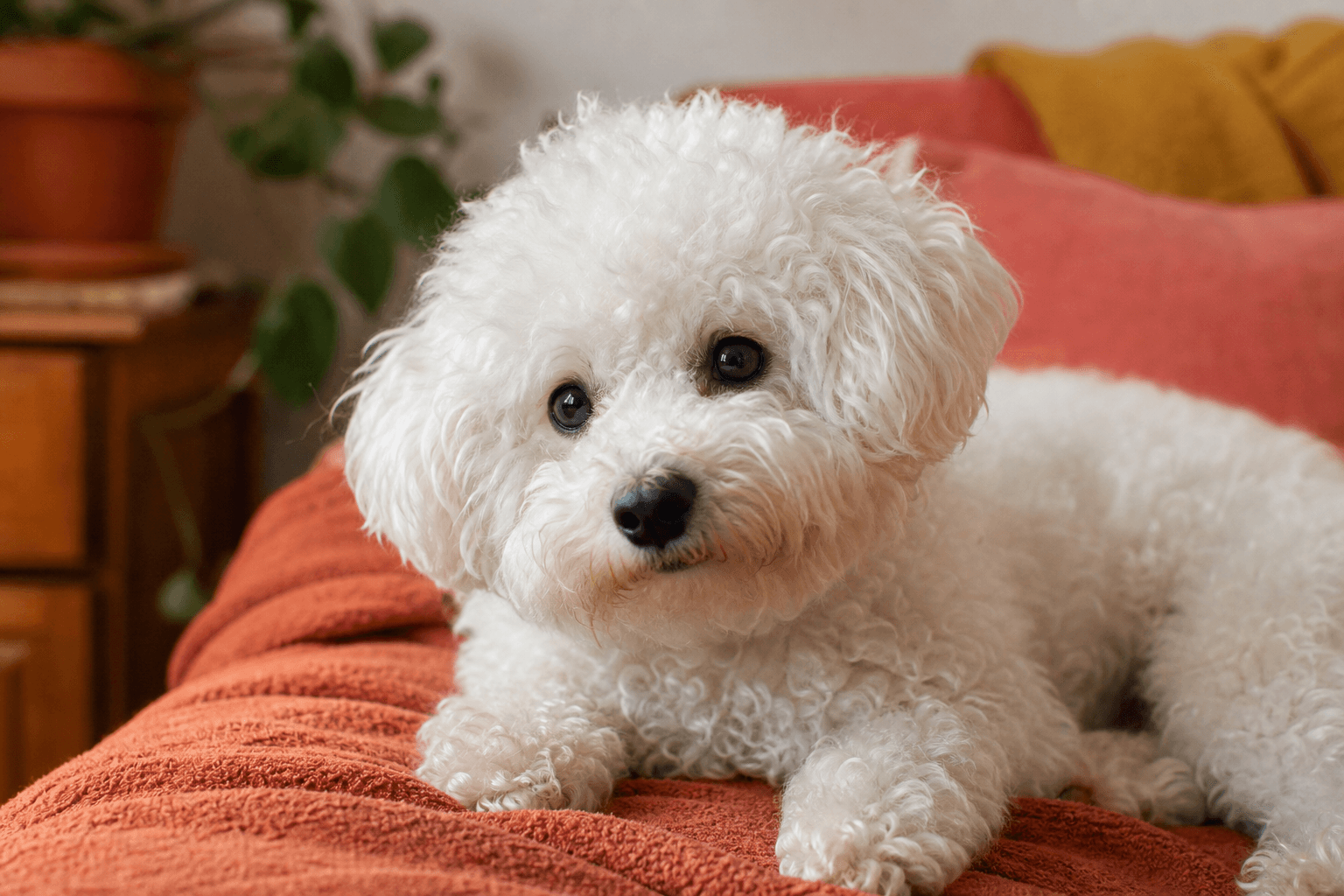
You saw the fluffy cloud with button eyes and fell a little in love. We get it — we did too.
Before you bring home a Bichon Frise, here are the seven things that actually matter, learned the easy way and the hard way.
Skim the list, pick your priorities, and walk in prepared.
1. The Coat Is Gorgeous — and High-Maintenance
The Bichon’s double coat doesn’t really shed, but it continually grows and mats fast if you fall behind.
Plan on brushing 3–5 times a week and professional grooming every 4–6 weeks. Eyes need daily wipe-downs to manage tear staining.
If you keep a plush “teddy” trim, expect more comb-outs. A shorter “puppy cut” is easier day-to-day, still adorable, and more forgiving for beginners.
About that hypoallergenic label...
2. Hypoallergenic, Not No-Allergen
Bichons are a popular choice for allergy-prone homes because they shed less dander into the environment.
But no dog is truly allergen-free. Saliva and skin proteins are still present. Spend time with an adult Bichon before committing, and keep a HEPA filter and regular bathing on your side.
3. Sunshine Personality, Velcro Tendencies
Bichons are social butterflies: cheerful, clownish, and usually friendly with kids and strangers when well-socialized.
The flip side of that big heart is separation sensitivity. Left alone cold-turkey, they can bark, chew, or soil.
Teach independence in tiny doses from day one: gated rooms, food puzzles, and calm comings-and-goings. If you work long days, line up a midday visit.
What they love
Being near you, gentle play, short training bursts, and lap time.
What backfires
Long alone hours, harsh corrections, skipped mental exercise.
4. Smart and Trainable, but Housebreaking Takes Patience
Bichons are bright and people-pleasing. They thrive on upbeat, reward-based training.
House training is the sticking point for many owners. Small bladders plus excitement equals accidents if you miss the rhythm.
Your potty-training game plan
- Clockwork scheduleOut first thing, after meals, after naps, after play, and before bed.
- Tiny leash loopsGo to the same spot, give one cue, wait quietly, then party when it happens.
- Manage, don’t hopeUse a crate or pen sized so they can lie down but not roam and potty in a corner.
- Clean like a proUse an enzymatic cleaner — regular sprays leave a “come here again” scent.
5. Daily Exercise: Small Dog, Real Needs
They’re not couch potatoes. Most Bichons do best with 45–60 minutes of activity daily, broken into two or three sessions.
Mix brisk walks with short fetch games and 5–10 minutes of training or nose work. Mental work takes the edge off fast.
6. Watchlist: Common Bichon Health Issues
Expect a lifespan around the mid-teens with good care. Responsible breeders screen for risks.
Allergies & skin
Itchiness and ear infections are common. Gentle, regular grooming helps.
Dental disease
Small mouths crowd teeth. Daily brushing and annual cleanings are worth it.
Luxating patellas
Kneecaps can slip. Keep them trim and avoid high-impact jumps.
Urinary crystals
Encourage water, regular potty breaks, and ask your vet about diet if needed.
7. Is a Bichon a Fit for Your Lifestyle?
If you want a portable, upbeat companion who’s happy to train and hang out with you most of the day, a Bichon is a joy.
If you travel constantly, dislike grooming routines, or need a dog to tolerate long alone hours, this isn’t the match.
- I can budget for grooming every 4–6 weeks (plus tools at home).
- Someone can provide midday company or a break most days.
- I enjoy short, positive training sessions and daily walks.
- I want a low-shed dog but understand it’s not allergen-free.
- I’m okay with a vocal dog who may alert-bark without training.
- I need a low-maintenance, independent dog.
Generally yes when socialized early. They prefer gentle handling and do well with respectful kids and friendly pets.
Brush several times a week and book a professional groom every 4–6 weeks to prevent mats and manage hygiene.
They can be alert barkers. Meet the behavior with training and enrichment rather than scolding; teach a “quiet” cue and reward calm.
Typically 10–18 pounds and around 9–12 inches at the shoulder, compact and easy to carry.
Yes — with daily exercise, puzzle toys, and practice on polite, quiet behaviors in hallways and elevators.