Essential Facts About Jack Russell Terriers You Need to Know
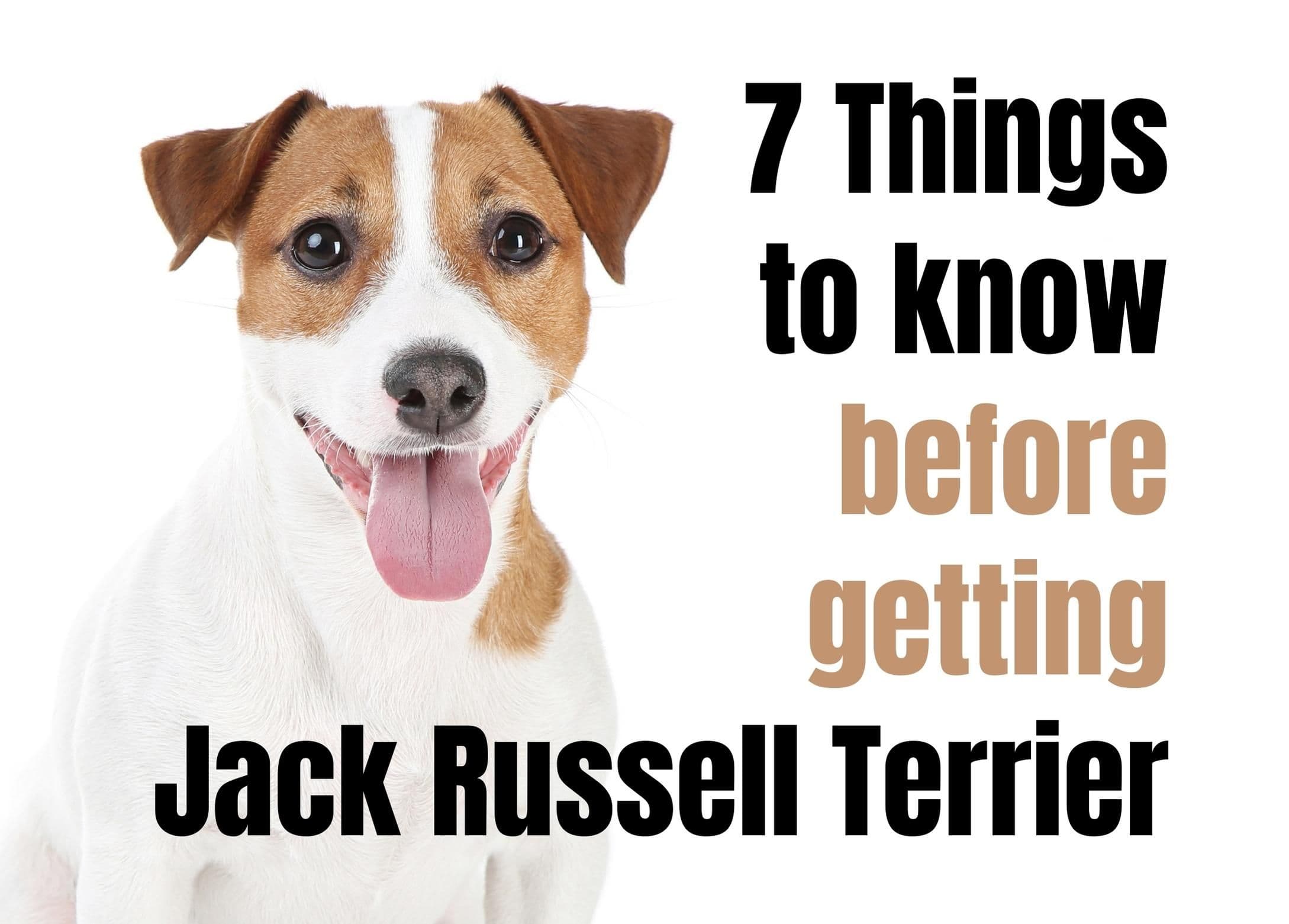
Jack Russell Terriers are adorable, spunky little dogs — but don’t let the size fool you.
If you’re eyeing one, especially as a first-time owner, there are a few things you really need to know first.
These little dogs are clever, bold, and full of surprises. Some of those surprises are delightful. A few of them will test your patience.
Here’s everything worth knowing before you bring one home.
They’re Endless Energy in a Small Package
Yes, they’re small — usually only around **13 to 17 pounds**. But these dogs are built like tiny athletes.
They were bred to hunt independently, which means they’re alert, driven, and always looking for a job to do.
So don’t expect a chill lap dog.
Jack Russells need at least **90 minutes of real exercise daily** — and yes, that means you’re coming too. Two brisk walks, some games, and a bit of mental stimulation go a long way.
“A bored Jack Russell doesn’t just wait around — they invent their own entertainment.”
Living in an apartment? That’s not a dealbreaker. But you’ll need to commit to keeping them busy.
Because if you don’t give them a job, they’ll pick one — like shredding your favorite socks or excavating the couch cushions.
All that energy comes wired to a very clever brain.
They’re Smart — and Stubborn
Training a Jack Russell is both rewarding and, at times, deeply frustrating.
Here’s the thing: they’re clever, but they’re also fiercely independent. These dogs don’t just follow orders because you said so.
You’ll need three things to succeed:
The training formula that works
- PatienceThey test boundaries — repeatedly. Don’t take it personally.
- ConsistencyMixed signals confuse a smart dog. Everyone in the house follows the same rules.
- Positive reinforcementReward what you want. Harsh corrections backfire with this breed.
Early socialization and obedience training aren’t optional here — they’re essential.
Smart and busy — but are they cuddly?
They’re Affectionate — But Not Clingy
After a good play session, your Jack Russell will happily curl up in your lap or at your feet.
They’re loving dogs. But here’s the pleasant surprise: they’re not usually prone to the separation anxiety you see in some breeds.
That independent streak again.
They can handle being alone for part of the day — just make sure they’ve got something to do. Otherwise they’ll find their own fun, and your furniture may pay the price.
They usually bond closely with one person
While they can get along with the whole family, Jack Russells often pick a favorite — usually whoever feeds and exercises them the most.
It doesn’t mean they won’t love everyone else. But don’t be surprised when your dog follows one person around like a little shadow.
Now for the part that trips up a lot of new owners.
Socialization Is Key — Especially With Other Pets
Jack Russells don’t always mesh easily with other dogs, particularly dominant ones.
They’ve got a big-dog attitude packed into a small body — and they’re not afraid to show it.
With cats and small animals, it gets even trickier. Their prey drive is strong. It’s baked into their DNA.
Active families
GreatThey thrive with people who love the outdoors and games.
Older kids
GoodBest with kids who respect a dog’s space and energy.
Young toddlers
With careSupervise closely — JRTs can be too bouncy for very small children.
Cats & small pets
RiskyHigh prey drive means careful, slow introductions — or none at all.
Already have pets or young kids? Early, careful introductions are crucial.
And always supervise interactions — especially in the beginning.
They’re Surprisingly Low-Maintenance to Groom
Here’s some good news: grooming a Jack Russell is refreshingly simple.
They have short, coarse coats in either smooth or broken varieties. They shed, but a quick brush once or twice a week usually keeps it under control.
Fun fact: those mostly-white coats were bred in on purpose — they made the dogs easy to spot in the field during hunts.
Now? It just means they’re easy to find when they sneak under the bed with a stolen sock.
- Brush once or twice a week
- Bathe only when genuinely dirty
- Keep nails trimmed and ears clean
- Over-bathe and strip their natural coat oils
Low grooming needs, but health deserves a closer look.
Generally Healthy — But Know Your Source
Jack Russells often live long, healthy lives — frequently **13 to 16 years**.
But like any breed, there are a few health concerns worth watching for.
If you’re going through a breeder, ask about the dog’s medical history and any genetic screening. If you’re adopting, request as much information as you possibly can.
Here are some issues that can occasionally pop up in the breed:
- Patellar luxation (slipping kneecaps)
- Lens luxation (an eye lens problem)
- Deafness
- Glaucoma
- Legg-Calvé-Perthes disease (a hip condition)
The good news? Regular vet checkups, a solid diet, and plenty of exercise go a long way toward keeping your dog thriving.
So — is this whirlwind of a dog actually right for you?
Are Jack Russells Right for You?
Let’s be honest about who this breed suits.
Pros
You’ll love a JRT if you…
- Are active and love daily exercise
- Enjoy training and mental games
- Want a bold, funny, spirited companion
- Can commit to consistent boundaries
- Have time and patience for socialization
Cons
Reconsider if you…
- Want a calm dog to lounge all day
- Have little time for exercise
- Prefer an easygoing, hands-off pet
- Have small pets with no plan for slow intros
- Get frustrated by a stubborn streak
| Category | Rating |
|---|---|
| Energy level | |
| Trainability | |
| Grooming needs | |
| Good with other pets | |
| Affection |
Quick poll
What worries you most about owning a Jack Russell?
Frequently Asked Questions
They can be — but only if you’re active and willing to commit to training and exercise. They’re smart and rewarding, but their stubbornness and energy can overwhelm someone expecting an easy, low-key pet.
They handle alone time better than many breeds thanks to their independent streak. Still, a few hours is reasonable — and always leave them with toys or puzzles so boredom doesn’t turn into destruction.
They can, especially when bored or under-exercised. A tired, mentally stimulated JRT is far quieter than a restless one. Consistent training helps curb excessive barking early.
They do best with older kids who respect a dog’s space. Their bouncy energy can be a lot for toddlers, so supervise interactions and teach both the dog and the child good boundaries.
It’s tricky. They have a strong prey drive and a bold attitude that can clash with dominant dogs and small pets. Early, careful socialization is essential — and some individuals simply do better as the only pet.
For most owners, it’s keeping up with the energy and channeling the stubbornness. Miss the exercise, and you’ll see it in barking, digging, and chewing.
Many mellow somewhat after the two-year mark, but this breed stays lively well into adulthood. Don’t count on them ever becoming true couch potatoes — plan for an active companion for life.

Sviatoslav Oleksiv founded The Pets and Love in 2019. A lifelong pet owner and Rhodesian Ridgeback enthusiast, he writes and edits our guides to help fellow pet parents give their animals the best care.
Every guide follows our editorial standards. This article is for informational purposes only and is not a substitute for professional advice — always consult a licensed veterinarian about your pet's health.