6 Essential Facts About Tibetan Mastiffs That Every New Owner Should Know
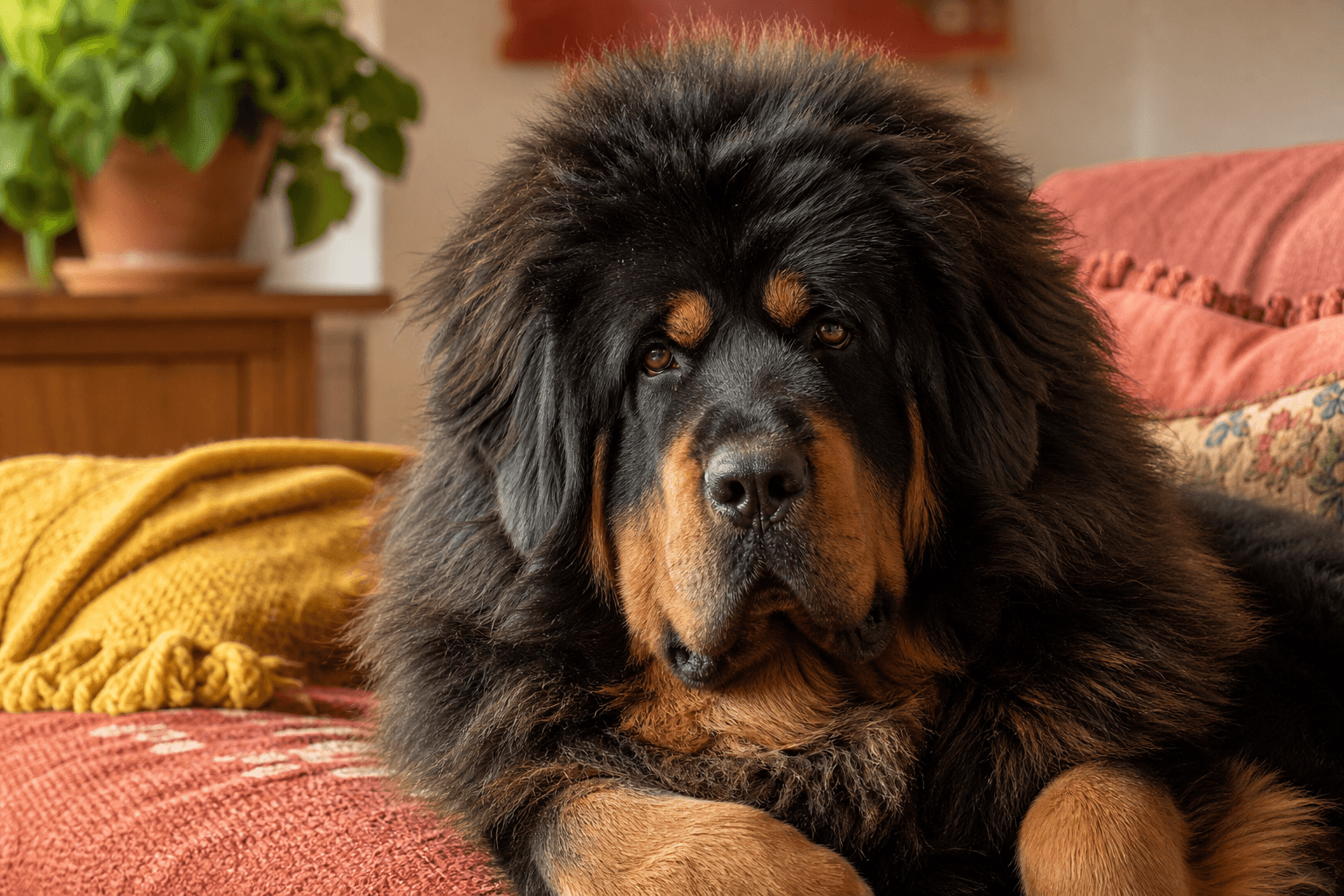
You fell for the lion’s mane and the steady, watchful eyes — we get it.
Here are the exact things that matter in real life with a Tibetan Mastiff, boiled down to six essentials.
Skim this first, and you will avoid the most common new-owner headaches.
1. They Are Guardians First, Pets Second
Tibetan Mastiffs were bred to watch livestock and property with minimal direction.
Expect a dog that is aloof with strangers and intensely bonded to family, with a natural instinct to assess threats on their own.
Early, positive socialization is not optional — it teaches your pup what normal life looks like so their judgment stays fair.
Skip chaotic dog parks; structured meetups and calm, neutral walks work better for this breed.
2. Slow to Mature, Stubborn to Train
This is a late-blooming breed. Many do not fully mature until 3 years old.
They are intelligent but independent — they ask why, not how high.
Keep sessions short, fair, and consistent. Focus on rock-solid recalls at short distances, leash manners, settle on a mat, and polite door behavior.
They are not off-leash reliable in open areas; a long line in safe spaces is your friend.
3. The Coat: Low Odor, Big Blowout
The double coat is weatherproof and usually low-odor.
Most males and many females shed lightly most of the year, then blow coat once annually (some females blow after their heat).
Brush weekly; during the blowout, brush daily with an undercoat rake and slicker to stay ahead of tumbleweeds.
Bathing every couple of months is fine unless they find mud; overbathing can dry the coat.
4. Night Barking and Serious Fencing
These dogs come alive after dark. Patrol barking is normal — it is how they announce presence and deter intruders.
Teach a quiet cue early and bring them indoors overnight if you have close neighbors.
They are territorial and can patrol a perimeter, so plan on a secure 6-foot fence with locked gates; no invisible fences for guardians that may push through when aroused.
5. Cooler-Climate Dogs With Moderate Exercise Needs
Tibetan Mastiffs handle cold beautifully but struggle in heat and humidity.
In warm weather, walk at dawn and dusk, provide shade and water, and watch for overheating.
Puppies need controlled exercise to protect growing joints: several short, flat walks and sniffaris beat long runs or stairs.
Adult needs are moderate — quality mental work plus two brisk outings usually keep them content at home.
6. Big-Dog Health and Big-Dog Budget
Common concerns include hip and elbow dysplasia, hypothyroidism, entropion, ear infections, and bloat.
Choose breeders who test hips and elbows and screen thyroid and eyes; learn the early signs of bloat and keep a plan for emergency care.
Feed a large-breed puppy formula to slow growth, and keep adults lean to protect joints.
| Category | Rating |
|---|---|
| Family Affection | |
| Stranger Friendliness | |
| Trainability | |
| Exercise Needs | |
| Grooming | |
| Heat Tolerance |
Feed the mind, not just the legs
Smart Boundaries
Teach door, gate, and yard rules before adolescence hits.
Calm Introductions
Let guests ignore the dog at first; reward quiet observation.
Night Routine
Last potty break, then settle indoors with white noise to cut triggers.
Work, Not Hype
Scent games, place training, and controlled perimeter walks beat fetch marathons.