6 Essential Facts About Schnoodles That Every New Owner Should Know
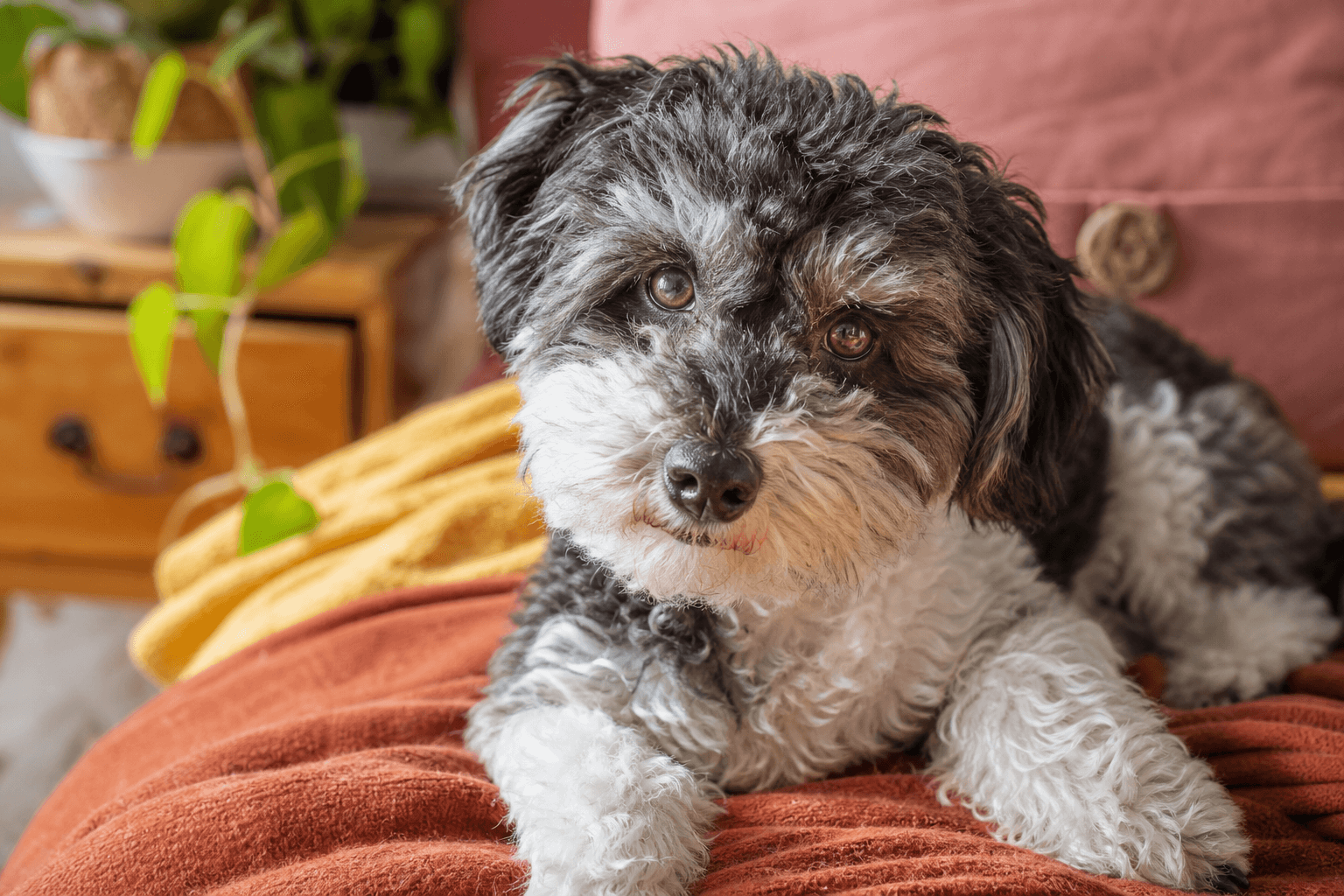
You love the idea of a smart, low-shedding companion with a silly streak. Same here.
Schnoodles can be dream dogs, but a few realities make all the difference in day-to-day life.
Here are the six things we wish every new Schnoodle owner knew from the start.
1. Size Is Not One-Size
Schnoodles are a cross between a Schnauzer and a Poodle, and their size depends on the parents. That can mean anything from a petite lap buddy to a true jogging partner.
Small Schnoodles
Usually from a Miniature Schnauzer crossed with a Toy or Miniature Poodle. Great for apartments and carry-everywhere lifestyles.
Medium-to-Large Schnoodles
From Standard Poodle or Standard/Giant Schnauzer lines. Need space, structure, and more daily activity.
Energy Match Matters
Smaller does not always mean easier—many small Schnoodles are zippy and need real exercise.
Growth Curve
Ask the breeder or rescue for parent sizes to forecast adult weight and exercise needs.
Bottom line: choose based on your routine, not cuteness alone.
2. Low-Shedding Coat, High Commitment
Most Schnoodles shed very little, but that adorable wavy-to-curly coat tangles fast without care.
Plan on brushing three to four times a week and professional grooming every six to eight weeks. Coats vary: some are plush and curly, others lean wiry with Schnauzer texture.
Keep the face tidy. Schnauzer-style beards trap water and food, which can lead to odor and skin irritation if not wiped after meals.
Ears also need attention. Floppy, hair-filled canals trap moisture; regular cleaning helps prevent infections.
Good coat care pays you back with easier baths, fewer mats, and less itch.
3. Bright, Bonded, and Sometimes Barky
Schnoodles are highly trainable thanks to two brainy parent breeds. They thrive on being included and often read the room frighteningly well.
Expect a streak of watchdog instinct from the Schnauzer side. Many will announce deliveries, door creaks, and your neighbor sneezing. Early training keeps that voice useful, not relentless.
Socialization is huge. Friendly exposure to people, dogs, noises, and grooming from day one builds the easygoing adult you want.
4. Exercise and Enrichment Needs
For most Schnoodles, aim for 45 to 60 minutes of daily activity, split between a walk and a play or training session. Standards often need more; seniors and tiny frames may need less but still benefit from brain work.
- Mix movement: brisk walks, off-leash fetch in a safe area, or interval-style park laps.
- Add brain games: puzzle feeders, hide-and-seek with treats, and simple nose work in the living room.
- Teach a job: settle on a mat, bring a toy, or heel to a cue—structure reduces reactivity and boredom.
On bad-weather days, ten minutes of sniffing and foraging can do more than thirty minutes of marching in a straight line.
5. Mixed Breed, Real Health Considerations
Hybrid vigor helps, but Schnoodles can inherit issues seen in Schnauzers and Poodles. A thoughtful breeder or rescue will be transparent about risks and screening.
Joints
Hip dysplasia and luxating patellas can occur—keep them lean and avoid repetitive high-impact jumps while growing.
Eyes
Progressive Retinal Atrophy (PRA) appears in Poodle lines; ask about genetic testing in the parents.
Metabolic
Miniature Schnauzers are prone to high blood lipids and pancreatitis—go easy on fatty treats.
Endocrine & GI
Addison’s disease occurs in Standard Poodles; standards and larger mixes may also be at risk for bloat—know the signs.
Health screening to ask for: OFA or PennHIP for hips, patella evaluations, PRA and von Willebrand disease tests where relevant, and a recent eye exam.
6. The Hypoallergenic Reality
Schnoodles are often more allergy-friendly, not allergy-proof. Dander and saliva still carry allergens, and coats that trap shed skin can bother sensitive people if not groomed.
Many allergy sufferers do better, but reactions vary by person and dog. Spend time with the actual dog before committing.
Low-shedding coats can mat faster without brushing because loose hair stays in the coat.
Texture and curl can change after the first shed—grooming needs may go up around 8 to 14 months.
Practical allergy steps: regular brushing, frequent vacuuming with a HEPA filter, washing hands after play, and keeping bedrooms a dog-free zone.
- Brush 3 to 4 times a week and book grooms every 6 to 8 weeks
- Prioritize daily mental exercise, not just long walks
- Let nuisance barking become a habit
- Ignore parent sizes when estimating adult weight
Generally yes with proper socialization and supervision. Teach kids gentle handling and give the dog a safe retreat spot. Many do well with other dogs; small animals depend on individual prey drive.
Every 4 to 6 weeks is typical, paired with grooming appointments. Overbathing can dry skin—use a gentle dog shampoo and rinse thoroughly.
Small and medium Schnoodles can thrive in apartments if their exercise and training needs are met and barking is managed. Standards do better with more space and structured activity.
Commonly 12 to 16 years with good care, weight management, and dental hygiene.