6 Essential Facts About Newfypoos That Every New Owner Should Know
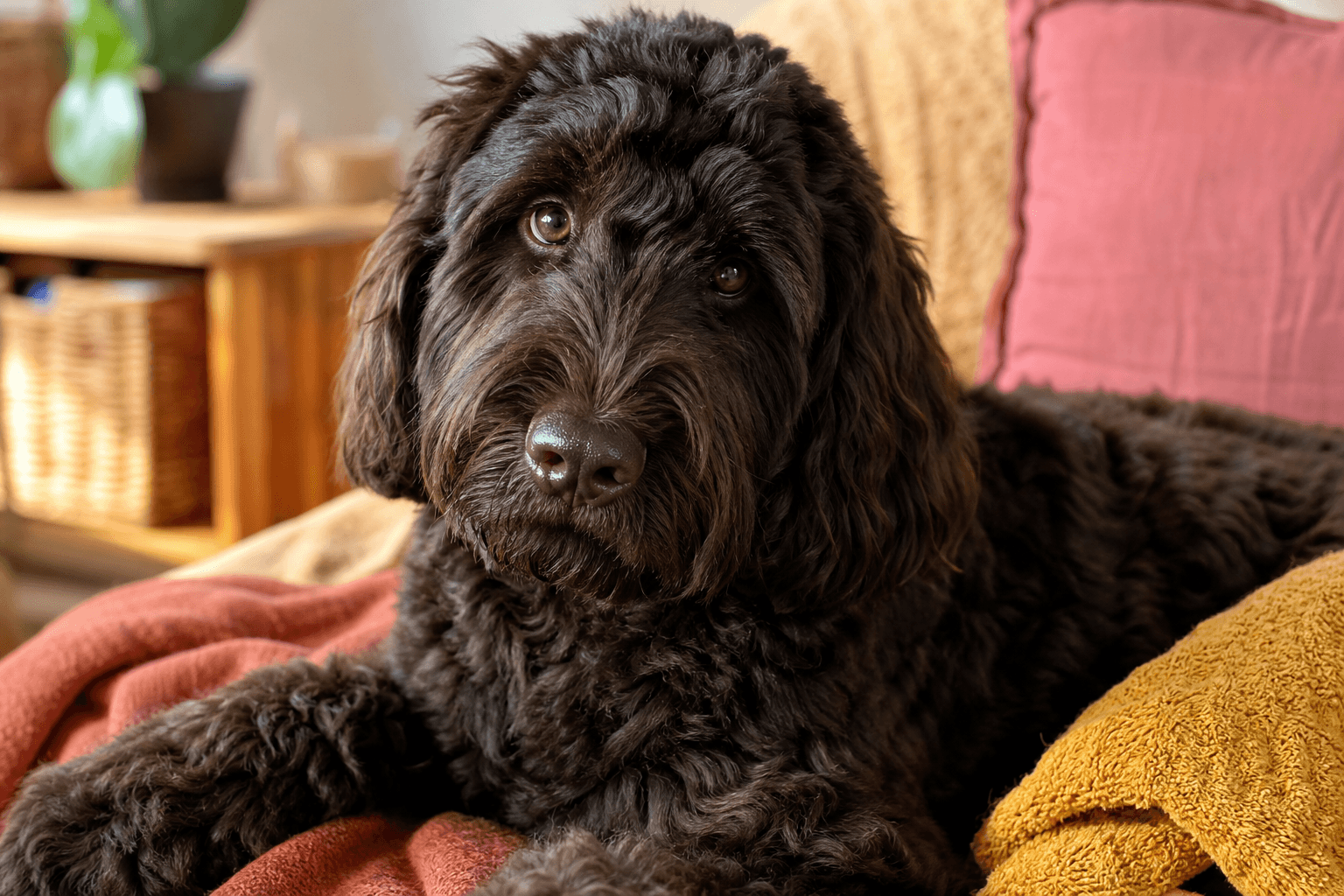
You clicked because you want the real Newfypoo picture, fast.
Here are the six facts we wish we had on day one, distilled from living with this sweet, splash-loving teddy bear.
Skim, save, and you will avoid the most common rookie mistakes.
1. They Are Truly Big Dogs With Big Hearts
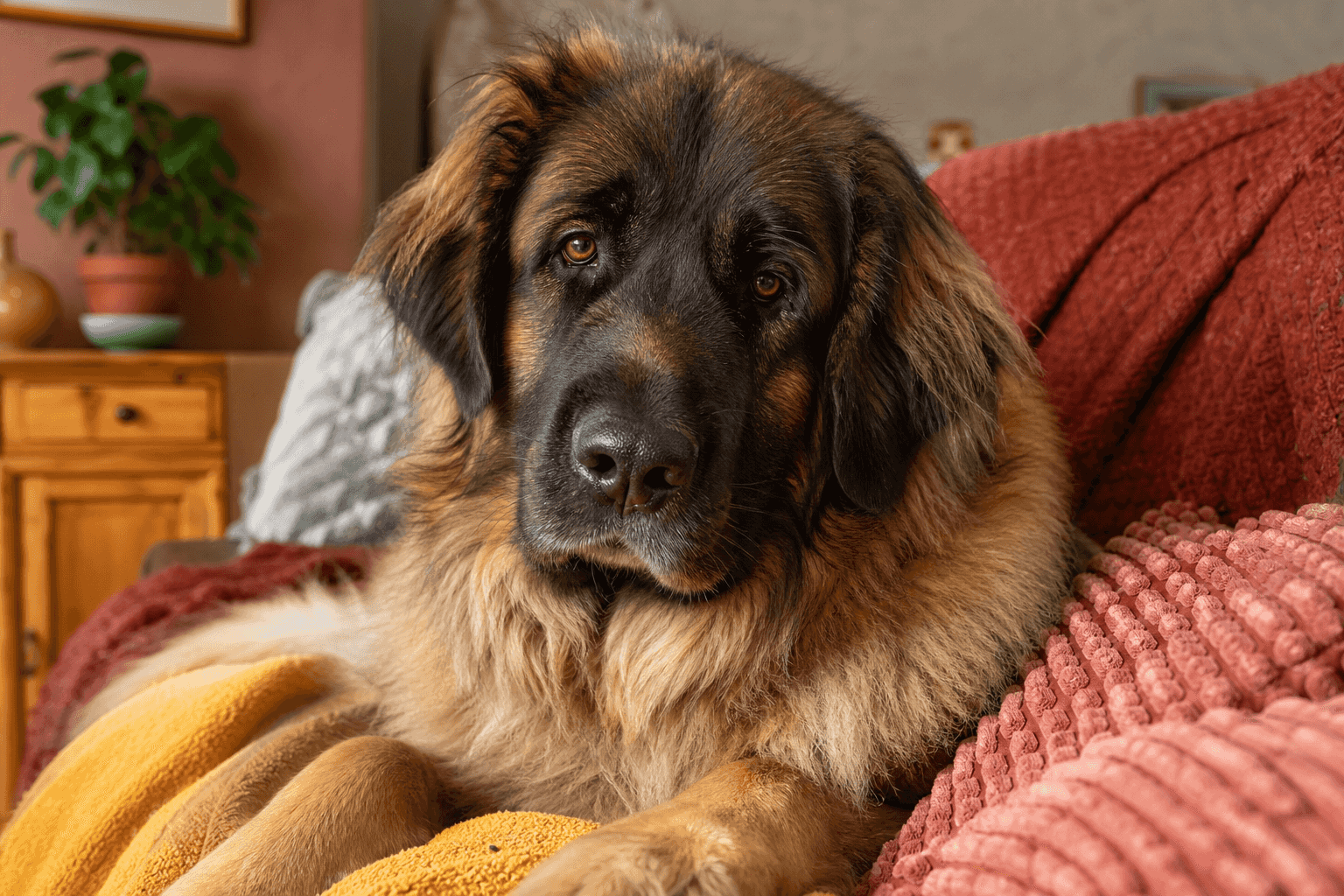
Most Newfypoos are the offspring of a Standard Poodle and a Newfoundland, which means many land in the 70 to 120 pound range when full grown, with some petite or giant outliers depending on lines.
They are famously gentle, people focused, and patient with kids, but their sheer size amplifies whatever manners you allow or ignore.
Give them floor space to stretch, a bed that actually fits, and pathways free of tight corners and slippery floors.
Pros
Why you will love them
- Affectionate, steady family companion
- Smart and eager to learn
- Often great with water and outdoor adventures
- Lower shedding than many giant breeds
Cons
What can be hard
- Large size affects housing, car space, and travel
- Strength magnifies pulling and jumping if untrained
- Grooming time and cost are real
- Can be messy drinkers and occasional droolers
2. The Coat Is Low-Shed, Not Low-Maintenance
Coats range from wavy to curly, and most shed less than a pure Newfoundland, but low-shed does not mean low-effort.
Plan on thorough brushing two to four times a week and professional grooming every six to eight weeks to prevent mats that tighten at the skin and cause discomfort.
Expect seasonal coat changes and friction mats behind ears, in armpits, under the collar, and where the harness rubs.
No breeder can guarantee hypoallergenic; individual reactions vary by dander, saliva, and grooming habits.
3. Water, Weather, and Drool Are Part of the Package
Newfypoos often inherit a love of water from their Newfoundland side and the athletic drive of the Poodle, which makes swimming a fantastic outlet.
Rinse after lake or ocean sessions and dry ears thoroughly to help prevent ear infections.
Heat can be hard on big, dense-coated dogs; favor morning and evening outings, shade, and cool mats in summer.
Many Newfypoos drool less than pure Newfoundlands, but loose jowls, big tongues, and enthusiastic drinking still mean water trails on your floors.
4. Exercise Needs: Steady, Smart, and Joint-Safe
Think consistent, moderate activity rather than endless sprints: one to two daily walks plus play or training blocks usually hits the sweet spot for adults.
Puppies need short, frequent sessions and protected joints; avoid repetitive jumping and long stair climbs until growth plates close.
Mental work matters as much as mileage. Nose games, place training, shaping tricks, and puzzle feeders take the edge off better than another lap around the block.
- Great outlets: swimming, carting basics, rally obedience, nosework, and structured fetch on soft ground.
- Skip for growing pups: forced running, high-impact agility, and frisbee-style leaping.
5. Training Early Pays Off for Life
They are bright and people oriented, which makes positive reinforcement a perfect match, but softness in temperament is not the same as easy.
Teach impulse control early: sit to greet, leave it, loose leash, and a solid settle so their size never becomes a liability.
Prioritize cooperative care. Practice handling feet, ears, and mouth, standing calmly on a mat, and short mock groom sessions so real appointments are stress free.
Thoughtful socialization matters: calm exposure to different surfaces, sounds, friendly dogs, and polite strangers while protecting those growing joints.
6. Health Screens and Costs You Should Plan For
Reputable programs screen parent dogs for hips and elbows, cardiac issues common in giant breeds, and hereditary eye disease; Poodle lines may also screen for thyroid and Addison type risks.
As a deep-chested, large mix, Newfypoos can be at risk for bloat, also called gastric dilatation volvulus. Know the signs, feed measured meals, avoid heavy exercise right after eating, and ask your vet about prophylactic gastropexy during spay or neuter.
Budget like a giant breed owner: larger crates, beds, harnesses, and higher food intake, plus grooming every couple of months. Pet insurance or an emergency fund makes sense when a single orthopedic surgery can be a shock.
Most standard Newfypoos finish between roughly 70 and 120 pounds and reach near-adult height by 10 to 12 months, then fill out until around 18 to 24 months.
No dog is guaranteed hypoallergenic. Many Newfypoos shed less than average, but individual dander and saliva still trigger some people. Meet adults from similar lines and keep grooming consistent.
Brush two to four times weekly, line comb to the skin, and book professional grooming every six to eight weeks. Keep friction zones short if you prefer a longer overall coat.
Usually less than pure Newfoundlands, but many still drool after drinking, during excitement, or in hot weather. Keep absorbent towels by the water bowl.
Yes, with supervision. Start in calm, shallow water, use a well-fitted life vest for confidence, rinse after, and dry ears to reduce infection risk.