6 Essential Facts About Lagotto Romagnolos That Every New Owner Should Know
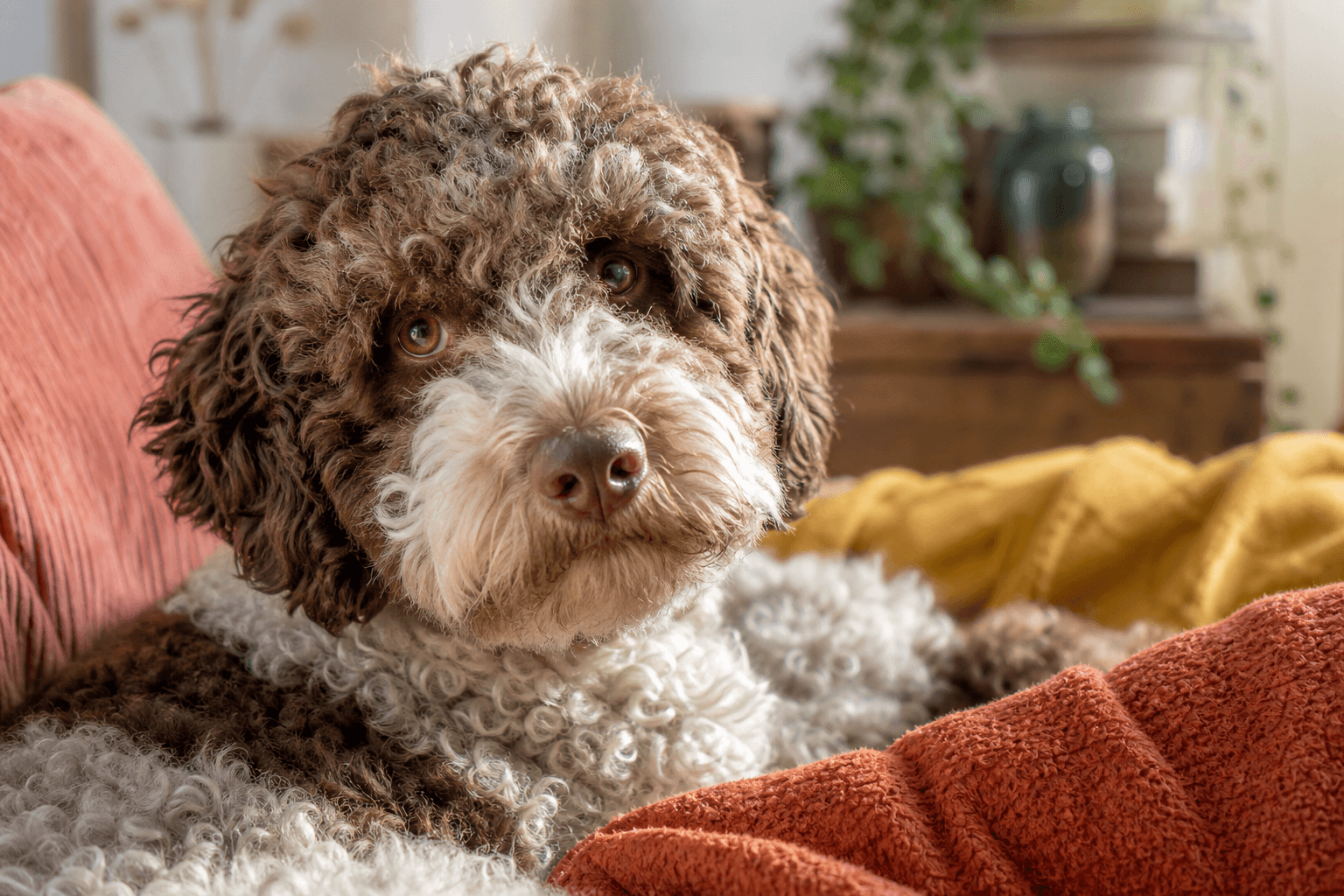
You fell for the teddy-bear curls and the truffle-dog mystique — we did too.
Here are the real-world essentials we learned living with a Lagotto, so you can skip the guesswork.
Six facts, zero fluff: exactly what it takes to keep this brilliant, curly partner happy.
1. They’re Truffle Dogs at Heart
The Lagotto Romagnolo was bred to use its nose all day, first for waterfowl and later for truffles.
That drive does not disappear on the sofa. Without daily scent work, they invent jobs you will not love — like excavating your yard or counter-surfing for “hidden” treats.
Build in nose-first tasks: hide-and-seek with kibble, scent boxes, or beginner nosework classes. Ten minutes of sniffing can calm them more than a long, fast walk.
2. The Coat Looks Low-Shed, Not Low-Maintenance
Lagotti shed very little, but the curly, woolly coat mats fast if you skip care.
Plan on a comb-out to the skin 2–3 times weekly, tidy trims as needed, and a full clip every 6–8 weeks to maintain that rustic curl without felting. Bathe only when dirty and let curls air-dry or diffuse gently; heavy brushing while fully dry helps separate ringlets afterward.
Keep ears clean and plucked only if hair blocks airflow on vet advice; trapped moisture invites infections in this water-loving breed.
Weekly tools
Sturdy metal greyhound comb, slicker for tips only, detangling spray.
Curl-friendly routine
Light mist, comb to skin in sections, finish with fingers to reshape curls.
Between grooms
Trim visor and paws for vision and traction; keep nails short.
After swims
Rinse, blot, detangle trouble zones before they dry into knots.
3. Temperament: Affectionate, Bright, A Little Reserved
With family, Lagotti are cuddly, funny, and eager to work with you. With strangers, many are naturally reserved — not fearful, just thoughtful.
Early, positive socialization matters. Pair new people and places with food and choice so your puppy learns to engage on their terms. Expect some alert barking; teach a “thank you, quiet” cue and reward silence.
Their intelligence is a gift and a challenge. Training feels like a conversation — use short sessions, clear criteria, and lots of reinforcement to keep that conversation upbeat.
4. Exercise Needs: Quality Over Quantity
Think balanced: 45–60 minutes of daily physical exercise plus brain work.
Sniff-heavy walks, retrieval games, and short training sprints beat repetitive jogging. Off-leash time is gold if your recall is solid; many Lagotti have excellent engagement once trained but will follow their noses if you have not built that habit.
5. Health and Screening Really Matter
This is a generally sturdy, long-lived breed, but genetics count. Reputable breeders screen hips and elbows, perform annual eye exams, and DNA-test for breed-specific conditions.
- Benign familial juvenile epilepsy (BFJE): seizures in puppyhood that often resolve; breeding dogs should be clear or carrier-to-clear.
- Lagotto storage disease (LSD): a serious neurodegenerative condition; DNA testing prevents affected litters.
- Hip dysplasia, PRA, cataracts: look for OFA/FCI hip scores and up-to-date eye clearances.
Ask to see results, not promises. Pet insurance can be wise for an active, sport-capable dog.
6. Home Setup: Digging, Water, and Enrichment
Many Lagotti love to dig — it is part of their heritage. Give them a legal dig zone so your garden survives.
Dig pit
Fill a sandbox with sand/soil mix; bury toys and let them “find” treasure.
Snuffle stations
Snuffle mat or towel-roll puzzles to scratch the foraging itch indoors.
Water intro
Shallow, positive sessions; rinse and dry curls and ears afterward.
Crate/den
A quiet space prevents overtired zoomies and supports calm.
Quick answers to questions new Lagotto owners ask
No dog is truly hypoallergenic. Lagotti shed minimally and can be easier for some allergy sufferers, but dander and saliva still trigger allergies. Meet adult dogs before committing.
Typically 24–35 pounds and 16–19 inches at the shoulder, with sturdy, square proportions.
Most owners use a groomer every 6–8 weeks plus at-home comb-outs. You can learn to maintain the rustic clip yourself with the right tools and practice.
Generally yes when socialized kindly. They are sensitive—teach children gentle handling, provide dog-only downtime, and supervise early interactions.
Many do, given their water-dog roots, but introduce water gradually and keep sessions short at first. Rinse and dry to protect skin and ears.