6 Essential Facts About Kooikerhondjes That Every New Owner Should Know
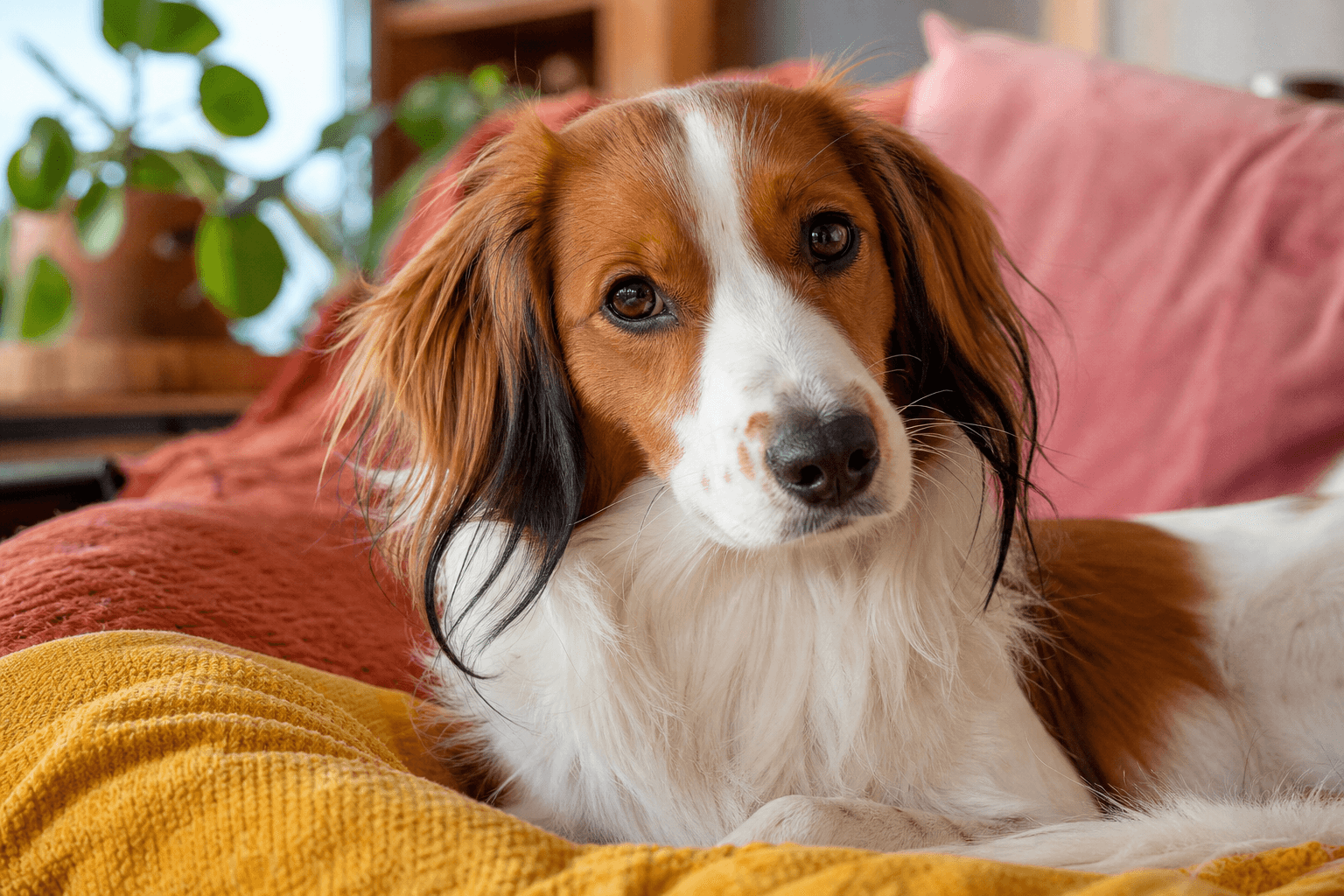
You clicked because you want the real scoop on Kooikerhondjes, not fluff.
Here are the six essentials we wish we knew on day one — quick, honest, and built from living with this brilliant little decoy dog.
Skim the list, pick a takeaway, and you will be ahead of 90% of new owners by tonight.
1. They Are Purpose-Bred Duck Decoy Dogs
The Kooikerhondje was developed in the Netherlands to lure ducks with lively, flashy movement. That job description still lives in their body and brain.
Plan on daily, meaningful exercise — think 60 to 90 minutes broken into brisk walks, play, and brain work. They are light on their feet, quick, and happiest when they get to problem-solve.
Channel the decoy-dog spark into sports like agility, rally, or scent games. A flirt pole session or scatter-feeding in grass scratches that chase-and-search itch without chaos.
2. Sensitive, People-Focused — Train Softly
This breed bonds hard to their people and reads the room. They aim to please but can shut down with harsh corrections.
Use cheerful, precise training: short sessions, clear markers, high-value rewards, and calm repetition. They thrive on structure and will remember both what worked and what felt unfair.
With strangers, many are reserved rather than gushing. That is normal. Let them approach on their timeline and your dog will bloom.
3. Low-Maintenance Coat, With Two High-Maintenance Spots
The orange-red and white coat is naturally weather-shedding and usually self-cleaning. Once or twice a week brushing keeps them neat, and there is no need to clip.
Watch two areas: feathering and ears. Feathering on legs and tail can mat if you skip brushing after wet hikes. Ears — prized for the black "earrings" tips — need weekly checks and gentle cleaning to avoid gunk and infections.
Expect seasonal shedding bursts in spring and fall. A bath every 6 to 8 weeks, followed by thorough drying and brushing, keeps the coat in great shape.
Health testing is not optional with this breed — it is protection for you and the dog.
4. Health Matters: Ask For These Tests
Responsible breeders in this breed screen for known issues. Do not skip the paperwork.
Ask about lifespan in close relatives; 12 to 15 years is common with good breeding and care. Pet insurance or a dedicated savings fund is smart for any active, clever dog who will try life at full speed.
5. Expect Alert Barking (Manage It Early)
Kooikerhondjes are watchful and will announce visitors, squirrels, and suspicious leaf movements. In apartments or close neighborhoods, teach a quiet cue from week one.
Pay the first bark, not the fifth: mark the initial alert, call them to you, and reward for silence and a settle on a mat. Close curtains facing high-traffic windows, add white noise, and give them a job before known triggers.
Mental enrichment trims the bark budget. Ten minutes of snuffle-mat work can buy you a quieter afternoon.
6. Socialize Broadly and Respect Their Prey Drive
They were bred to fascinate waterfowl, and many will notice birds and small game. That does not make them untrainable off leash, but it means recall must be proofed carefully and securely.
Start socialization early: calm cafes, hardware stores, soft meet-and-greets, different surfaces, and kind kids who will ignore the dog until invited. Pair each new thing with food and choice.
Use long-lines in open spaces until your recall is bulletproof. A fenced yard is ideal; if you do not have one, schedule daily outlets where chasing is allowed within rules.
| Category | Rating |
|---|---|
| Energy Level | |
| Trainability | |
| Grooming Needs | |
| Barking/Watchfulness | |
| Sociability With Strangers |