6 Essential Facts About Caucasian Shepherds That Every New Owner Should Know
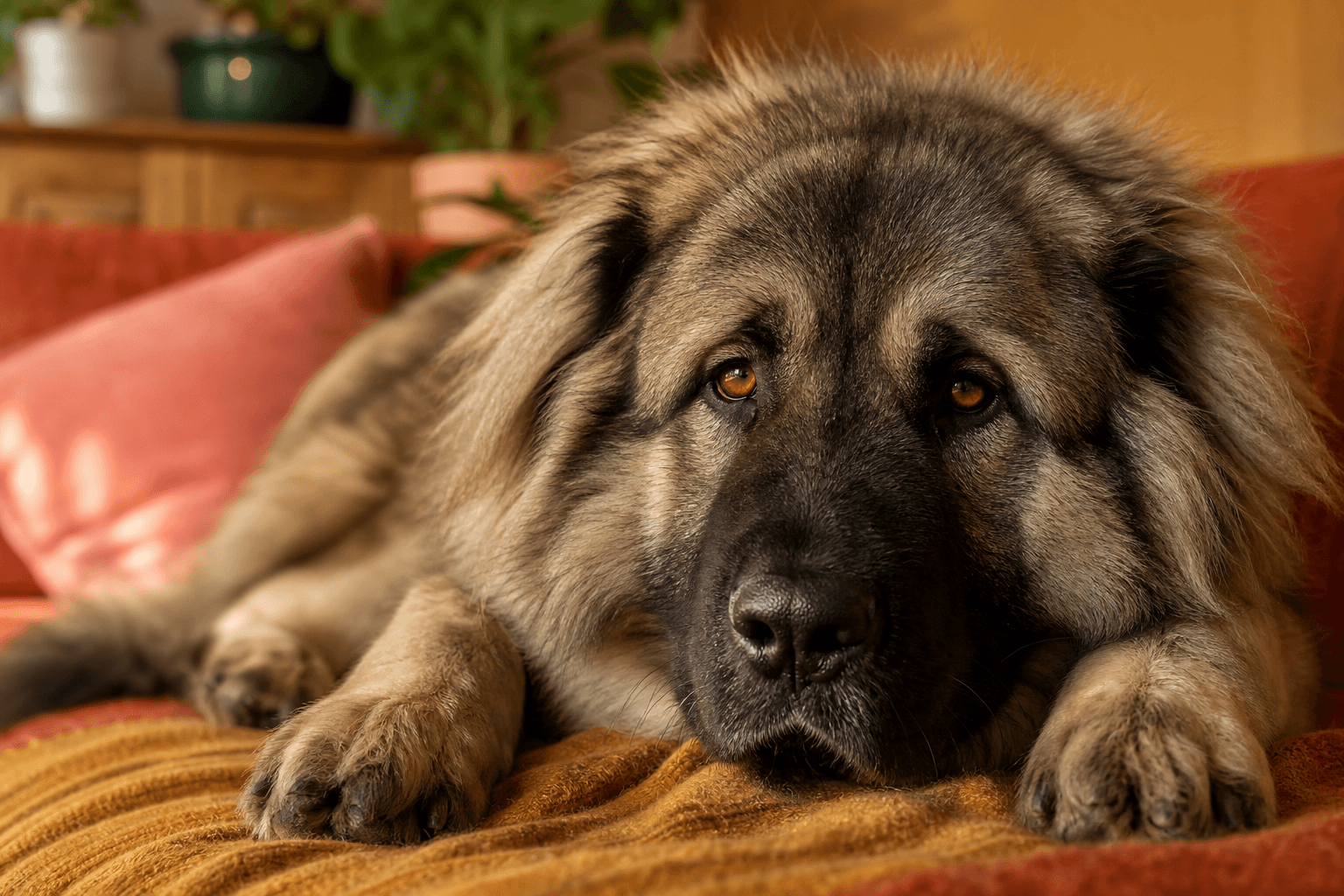
You clicked because you want the real story on Caucasian Shepherds, not fluff.
We live with these majestic guardians, and we’ll tell you exactly what matters in week one and year one.
Here are the six essentials that make life smoother for you and safer for your dog.
1. This Is a Guardian First, Pet Second
The Caucasian Shepherd (Ovcharka) was bred to protect flocks from predators and trespassers, and that job description is still baked in.
Expect a calm housemate that flips instantly to alert mode when someone enters your space.
Territoriality is not a flaw here—it is the feature—so plan for clear boundaries, structured introductions, and zero off‑leash freedom in public.
| Category | Rating |
|---|---|
| Protective Instinct | |
| Trainability | |
| Exercise Needs | |
| Shedding | |
| Good With Other Dogs | |
| Heat Tolerance |
2. Early Training Is Non‑Negotiable
This breed matures into a powerful decision‑maker; if you do not show them how to live in your world, they will decide for you.
Start day one with calm leash manners, doorway control, place training, and neutral exposure to people and dogs—no forced friendliness, just steady confidence.
Use firm but fair training; they shut down with harshness yet ignore wishy‑washy cues.
Bring in a trainer who has real livestock guardian dog experience, not just pet‑store basics.
3. Space, Security, and Neighbors Matter
Caucasian Shepherds thrive with a job and a perimeter to own.
They can do well in a rural yard or large, securely fenced suburban lot, but small apartments and busy dog‑park lifestyles are a mismatch.
Fencing should be tall, dig‑proof, and locked; this is not a fence‑testing breed until something moves—then it is.
4. The Coat: Low Fuss Daily, High Fuss Seasonally
The double coat shrugs off weather and debris most days; a quick once‑over with a pin brush is plenty.
Twice a year, though, the undercoat blows and you will fill trash bags—weekly de‑shedding sessions and a high‑velocity dryer make it manageable.
Baths are occasional unless muddy; focus on nails, teeth, and ear checks, especially after wet or snowy play.
5. Health, Diet, and Growth: Slow and Steady
Common concerns include hip and elbow dysplasia, bloat, and orthopedic strain from rapid growth.
Feed a large‑breed puppy formula to keep growth slow and joints happy; avoid high‑calorie "bulking" in the first 18 months.
Discuss bloat prevention with your vet; know the emergency signs: unproductive retching, distended abdomen, restlessness.
They excel in cold but struggle in heat—shade, water, and midday rest are mandatory in summer.
6. Is a Caucasian Shepherd Really Right for You?
This can be the most loyal, stable guardian you will ever own—if your lifestyle fits.
They do best with confident owners who value boundaries, quiet routines, and thoughtful social exposure over constant novelty.
If you want a casual dog‑park buddy, pick another breed; if you want a devoted property guardian and family sentinel, this is a match.
Quick readiness check
- Secure, tall fencing and a calm household routine
- Willing to invest in early training with LGD experience
- Comfortable skipping off‑leash social scenes
- Prepared for seasonal blowouts and large‑dog upkeep
- Expecting a golden‑retriever level of sociability