12 Things to Know Before Bringing Home an Azawakh
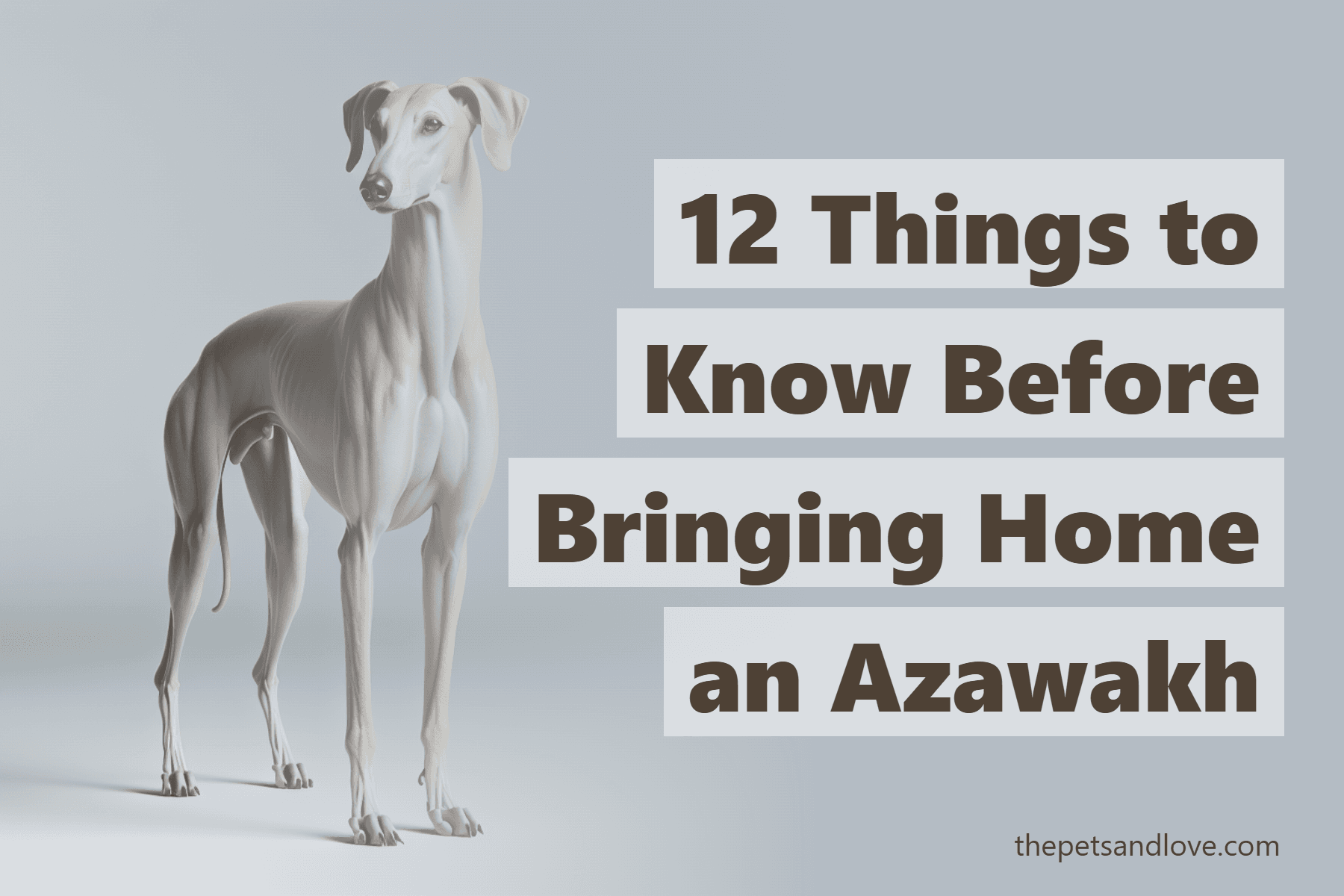
You saw one and couldn’t look away. That lean, sculpted frame. The way it moves like water over sand. The Azawakh does that to people.
But here’s the thing: this ancient African sighthound is far more than a pretty face — and living with one is nothing like living with a Lab or a Golden.
Before you fall all the way in love, let’s walk through what actually owning one is like — the good, the tricky, and the parts most people never see coming.
Living With an Azawakh: What to Expect
Let’s start with the basics, because they explain almost everything else about this dog.
Azawakhs are sighthounds. They were bred to hunt by sight, chasing down fast prey like gazelle across the Sahel.
That heritage is baked into their whole personality. If it moves, it’s fair game.
Up to 40 mph
Top speed of an Azawakh at full sprint
We’ve spent time around similar sighthounds, and they all share one instinct: a love of motion and a serious prey drive.
So if you’ve got cats, rabbits, or other small pets, socialization has to start early and stay consistent.
That desert origin shows up in another surprising place — the weather.
They’re Not Built for Cold Weather
Coming from the Sahara, Azawakhs are wired for heat, not chill.
Their coats are thin and their body fat is minimal. Cold, wet weather makes them miserable fast.
So what does this mean for you? Sweaters and jackets aren’t a cute accessory here — they’re basic gear.
Independent, But Deeply Loyal
This breed is a bundle of contradictions, and it’s part of what makes them so magnetic.
They’re independent thinkers — which is a polite way of saying stubborn. Yet they bond with their people harder than almost any breed.
With strangers they’re aloof. With their family they’re fiercely devoted and naturally protective.
“An Azawakh doesn’t love everyone — it chooses you, and once it does, that loyalty runs deep.”
That combination makes them excellent watchdogs. It also makes them a poor match for anyone who wants a dog that greets the whole neighborhood with a wagging tail.
Training: patience over pressure
Here’s where a lot of new owners get frustrated. Azawakhs aren’t eager to please for the sake of it.
They’d rather figure things out on their own terms. Push too hard and they’ll shut down or quietly lose trust in you.
How to actually train an Azawakh
- Lead with positive reinforcementReward what you want. Praise, treats, and calm consistency go much further than correction.
- Never use harsh methodsYelling or force damages the bond and shuts this sensitive breed down completely.
- Keep sessions short and interestingA bored Azawakh will simply disengage. End on a win before they check out.
- Build mutual respectThink of it as a partnership, not a command structure. Trust earns cooperation.
Exercise and Living Space
Now, here’s where it gets interesting: this is a high-drive athlete that turns into a couch cushion at home.
They need real daily exercise — not just a lap around the block.
- Long walks or runs to burn steady energy.
- Lure coursing — their favorite way to chase safely.
- Fenced sprint sessions where they can open up at full speed.
But once they’ve had their fill of movement, they’re remarkably mellow indoors. Most of the day they’ll happily lounge — ideally pressed against a favorite human.
Good news — the maintenance side is delightfully easy.
Grooming and Maintenance
If training tests your patience, grooming will restore it. This is one of the lowest-maintenance coats in the dog world.
- Brush the short coat once a week
- Bathe only when they get into something messy
- Trim nails regularly
- Check ears and keep up with dental care
- Bathe them constantly — they rarely smell and don’t need it
One tip that pays off for years: start young. Handle their paws, ears, and mouth early so grooming feels normal, not stressful.
Health Things to Watch For
Azawakhs are generally hardy, lean, and built to last. But like every breed, there are a few things worth knowing.
Bloat (gastric torsion)
A fast, life-threatening emergency. Watch for pacing, drooling, and unproductive vomiting — and get to a vet immediately.
Genetic conditions
Some may be prone to hypothyroidism or bleeding disorders like Von Willebrand disease. A good breeder screens for these.
High pain tolerance
They often hide when they’re hurt. Regular checkups and gentle full-body inspections help you catch problems early.
Naturally lean build
Seeing their ribs is normal — that’s the breed, not a problem. Don’t try to fatten them up.
Not Ideal for Young Kids
Azawakhs are sensitive dogs, and chaos isn’t their thing.
Rough, unpredictable toddler play can overwhelm or even frighten them.
Toddlers / very young kids
Not idealLoud, grabby, unpredictable play stresses this sensitive breed.
Older, calmer children
With careKids who respect boundaries can do well, especially if raised together.
Strangers & visitors
AloofNaturally reserved — great watchdog, slow to warm up.
Small pets
RiskyStrong prey drive means careful management is a must.
Let’s clear up a couple of common myths before you decide.
They’re aloof with strangers, but intensely bonded and loving with their own people. The affection is just reserved for the ones they trust.
Visible ribs are normal and healthy for the breed. Overfeeding does far more harm than good.
Quite the opposite. Once exercised, they’re famously calm and love lounging near their family for hours.
Frequently Asked Questions
Generally, no. Their independence, sensitivity, and training challenges suit experienced owners who understand sighthounds and value a quiet, discerning companion.
They tolerate some alone time once exercised, but they bond deeply and dislike long isolation. A full workday alone every day risks boredom, anxiety, and destructive habits.
It’s risky. Their strong prey drive means small animals can trigger a chase. Early, careful socialization helps, but you should always manage the environment.
Better with older, calm children who respect boundaries. Very young, boisterous kids can overwhelm this sensitive breed.
Yes — daily long walks, runs, or safe sprinting like lure coursing. But once satisfied, they’re surprisingly mellow indoors.
The mix of independence and sensitivity. Training takes patience and trust, and harsh methods backfire fast. It’s a relationship, not a command chain.
Not naturally. Coming from the Sahara, they need jackets and warm, draft-free spaces in cold or wet weather.