7 things to know before owning an Otterhound
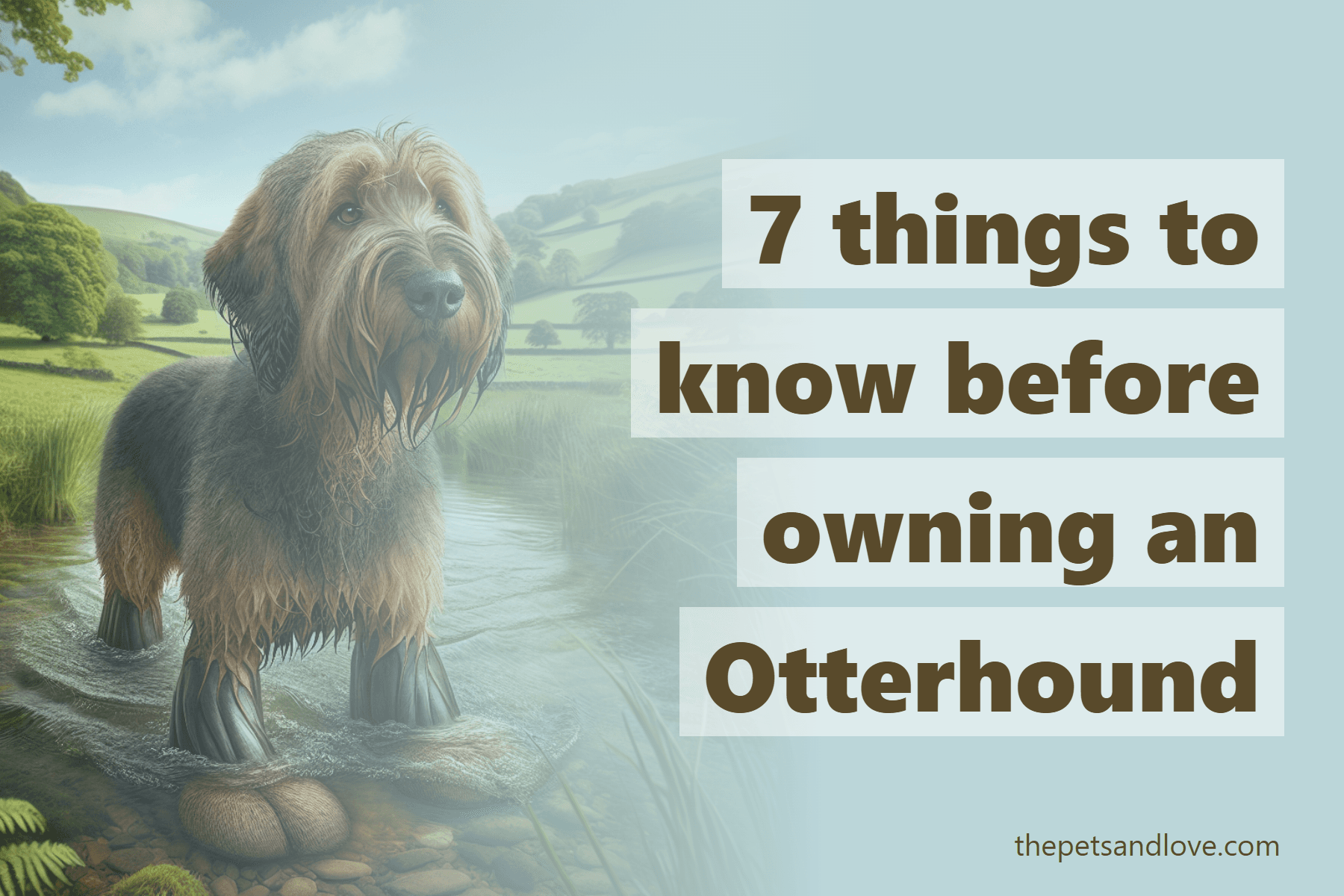
Big, hairy, and totally one-of-a-kind — if that sounds like your dream dog, the Otterhound might just steal your heart.
But here's the truth most people don't tell you: this shaggy sweetheart isn't for everyone.
They're loud. They're huge. They follow their nose to the ends of the earth. And there are only about a thousand of them left in the entire world.
In this guide, you'll learn exactly what living with an Otterhound is really like — the good, the goofy, and the muddy — so you can decide if this rare hound is your perfect match.
~1,000
Otterhounds left worldwide
115+ lbs
Weight of a full-grown male
10–13 yrs
Typical lifespan
They’re Friendly — But Not Velcro Dogs
Otterhounds are affectionate and social, but they won't shadow your every move.
They'll greet you at the door with genuine joy, then happily go about their own business. It's affection without the neediness.
Here's what makes them lovely family dogs: with proper socialization, they get along beautifully with people and other animals.
But there's a catch when it comes to little kids.
Older kids
GreatEasygoing and playful with children who can handle a big, bouncy dog.
Toddlers
With careTheir size and enthusiasm can knock little ones over by accident.
Other dogs
GreatSociable pack hounds who usually love company when socialized early.
Cats & small pets
With careStrong prey drive means introductions should be slow and supervised.
Friendly is easy. Their size and energy? That’s the part people underestimate.
Big Dog, Big Needs
Let's be clear about the scale here: males can top **115 pounds**. This is a serious amount of dog.
They need room — and not just indoors. Otterhounds thrive with regular access to the outdoors and love to move.
So what does this mean for you?
If you live in an apartment with no yard, this probably isn't your breed. Backyard playtime alone won't cut it either.
They were built for stamina, so they crave real activity: hiking, swimming, and long daily walks.
Now here’s the trait that surprises nearly every new owner.
That Nose Never Quits
As a true scent hound, an Otterhound's nose is always switched on.
They're natural trackers, and given the chance, they'll follow a scent for miles without looking back.
Here's the thing to understand: when they catch a trail, they seem to zone out completely.
“They’re not being disobedient — they’re simply built for the hunt. The nose wins.”
What does this mean in practice? Off-leash freedom only happens in a secure, fully fenced area.
An open field, a park, a trailhead — one interesting smell and they're gone.
- Exercise them off-leash only in fenced, secure spaces
- Use a long line for training recall in open areas
- Trust their recall near a busy road or open trail
- Assume they’ll ignore a scent because you called them
Rare and Hard to Find
Otterhounds are one of the rarest breeds on earth — with only around **1,000 left worldwide**.
That rarity changes everything about how you'll actually get one.
Reputable breeders are few and far between. Rescues are rarer still.
Reputable Breeder
Pros
- Health-screened parents
- Support from experienced breeders
- Known temperament and lineage
Cons
- Long waitlists
- May need to travel far
- Very limited litters
Breed Rescue
Pros
- Gives a dog a second home
- Sometimes older, calmer dogs
- Lower upfront cost
Cons
- Extremely rare availability
- May have unknown history
- Long wait for a match
Training Is… a Journey
Otterhounds are smart. They're also independent. That combination makes training an adventure.
They won't respond well to harsh corrections — in fact, that approach usually backfires.
Instead, patience and positive reinforcement are your best friends. And here's the good news:
Start obedience early, and stay consistent. Your dog will absolutely test whether you mean what you say.
Remember: it's not stubbornness. They just have their own agenda sometimes.
Training an Otterhound: the golden rules
- Start youngBegin socialization and basic obedience as early as possible.
- Reward, never punishPositive reinforcement builds trust; harsh corrections destroy it.
- Pay in treatsUse their food drive to your advantage in every session.
- Stay consistentThey’ll test your boundaries — keep rules the same every day.
- Keep it short and funEnd sessions on a win before they get bored.
They’re Vocal — Like, Really Vocal
That distinctive baying? It's pure Otterhound charm — and a genuine challenge.
They love to use their voice, and boy, does it carry.
This is a deep, rolling, hound-dog sound that travels a long way. It's beautiful in the right setting and a real problem in the wrong one.
Quick poll
Could you live with a loud, baying hound?
Grooming and General Care
Here's a pleasant surprise: despite the shaggy look, Otterhounds aren't as high-maintenance as they appear.
But "not high-maintenance" doesn't mean "no maintenance."
Their thick, water-resistant double coat is perfect for swimming — and it does shed and mat if you skip brushing.
Brush weekly
Regular brushing prevents mats and keeps that shaggy coat healthy and manageable.
Mind the beard
That glorious beard holds onto food, water, and pond gunk. Wipe it after meals to avoid odor and bacteria.
Teeth a few times a week
Regular brushing keeps dental disease at bay — easy to overlook, easy to keep up.
Nails monthly
Trim monthly so they stay comfortable on the move.
Ears weekly
Those floppy ears are prone to infection — a weekly clean makes a real difference.
Skip frequent cuts
Their coat takes a long time to grow back, so avoid trimming unless truly necessary.
Health and Lifespan
Otterhounds are generally healthy dogs — but like many large breeds, they carry a few known risks.
Being aware of these helps you catch problems early and choose the right breeder.
Hip & elbow dysplasia
Common in big breeds. Good breeders screen parents; maintaining a healthy weight helps too.
Bloat
A serious, life-threatening stomach condition seen in deep-chested dogs. Learn the warning signs.
Epilepsy
Some lines can be prone to seizures — a reputable breeder should be open about family history.
Glanzmann Thrombasthenia
A rare inherited bleeding disorder. Responsible breeders test for it.
The good news? They typically live **10–13 years** — solid for such a big dog.
With proper care, most Otterhounds stay active and adventurous well into their senior years.
Not for First-Time Dog Owners
Let's be real: Otterhounds are a lot.
They're big, loud, independent, and they demand both physical and mental stimulation.
They're also gloriously messy — think drool, shedding, and muddy paw prints on everything you own.
Pros
You’ll love an Otterhound if you…
- Have experience with dogs
- Enjoy an active, outdoorsy lifestyle
- Have space and ideally a yard
- Have patience and a sense of humor
- Adore hounds and their quirks
Cons
Look elsewhere if you…
- Are a first-time dog owner
- Want a low-maintenance companion
- Live in an apartment
- Need a quiet home
- Can’t stand mud, drool, or shedding
Still curious? Here are the questions people ask most.
Frequently Asked Questions
Generally, no. They’re large, vocal, independent, and need serious exercise and consistent training. They’re a much better fit for people with prior dog experience.
Yes — and it’s a loud, distinctive baying that carries a long way. If you have close neighbors or crave a quiet home, this is a big consideration.
They’re friendly and easygoing, especially with older kids. With toddlers, their size and bounciness can accidentally knock little ones over, so supervision is essential.
Only in a securely fenced area. As scent hounds, they’ll follow an interesting smell for miles and ignore your calls — it’s instinct, not disobedience.
A lot. Long daily walks, hikes, and especially swimming are ideal. Backyard time alone isn’t enough, and a bored Otterhound gets destructive.
Very. With only around 1,000 left worldwide, expect a long wait, a possible travel commitment, and few reputable breeders or rescues.
Typically 10–13 years, which is good for such a large breed. With proper care they often stay active into their senior years.
They’re usually sociable with other dogs, especially when socialized early. Their prey drive means introductions to cats and small pets should be slow and supervised.
Otterhounds are endearing, goofy, loyal, and rare — not couch potatoes and definitely not lap dogs.
Owning one is a real commitment of time, space, and patience.
But if you're up for the challenge? You'll get a one-of-a-kind companion who brings a whole lot of love, laughs, and muddy paw prints into your life.

Sviatoslav Oleksiv founded The Pets and Love in 2019. A lifelong pet owner and Rhodesian Ridgeback enthusiast, he writes and edits our guides to help fellow pet parents give their animals the best care.
Every guide follows our editorial standards. This article is for informational purposes only and is not a substitute for professional advice — always consult a licensed veterinarian about your pet's health.