5 Things to Know Before Owning a Spanish Mastiff
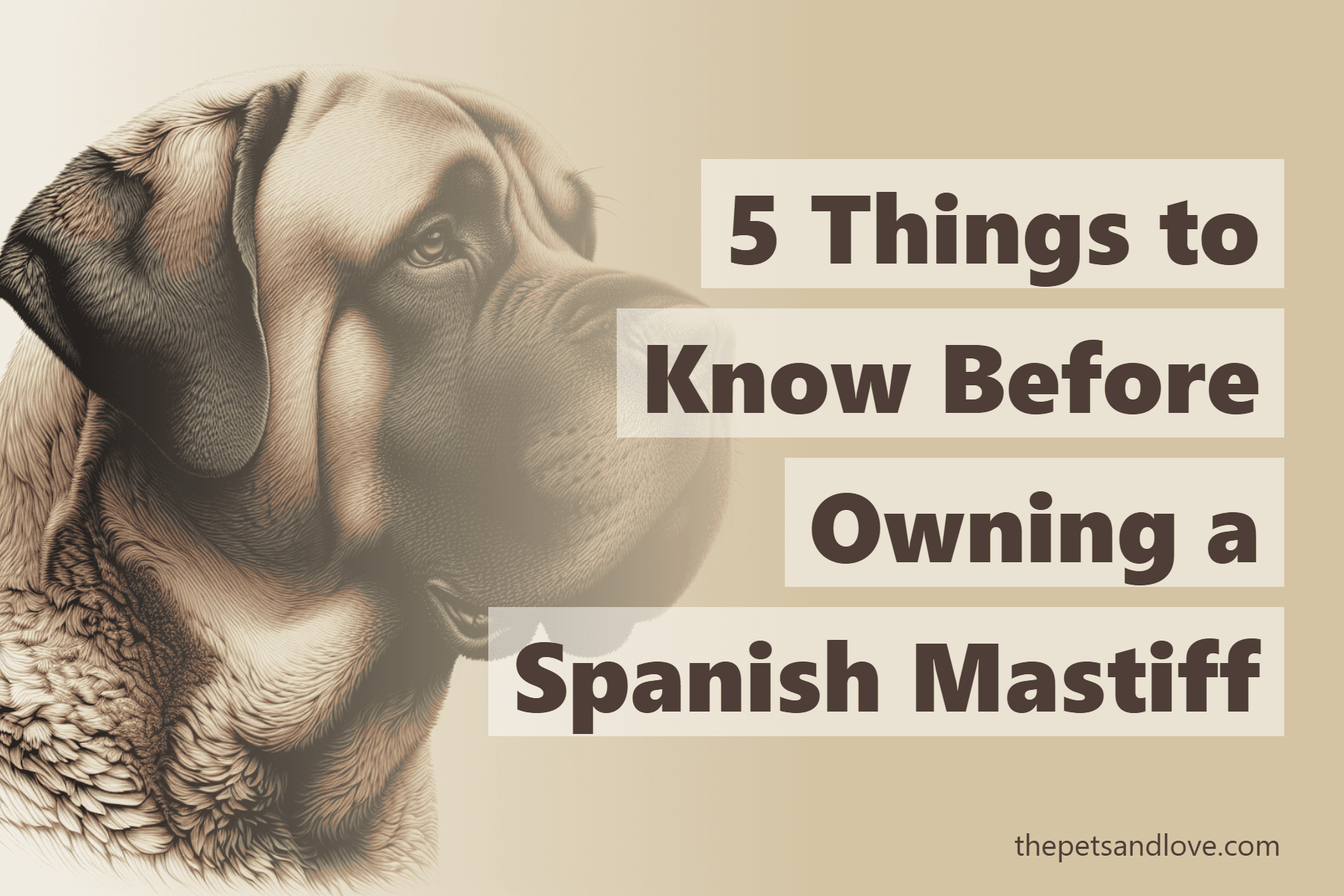
Thinking about bringing home a Spanish Mastiff? You're picturing a noble, calm giant standing guard over your family — and honestly, that vision isn't far off.
But here's the truth most breeders won't lead with: these dogs are not for everyone.
They're deeply loyal, incredibly brave, and can be the most grounding presence in your home. They're also huge, stubborn, and wired to protect — which comes with real responsibility.
So before you fall for those soulful eyes, let's walk through exactly what living with one is like — the good, the drool, and everything in between.
200+ lbs
Weight males can reach
Giant
Breed size class
Experienced only
Best-suited owners
1. Big Dog, Big Responsibility
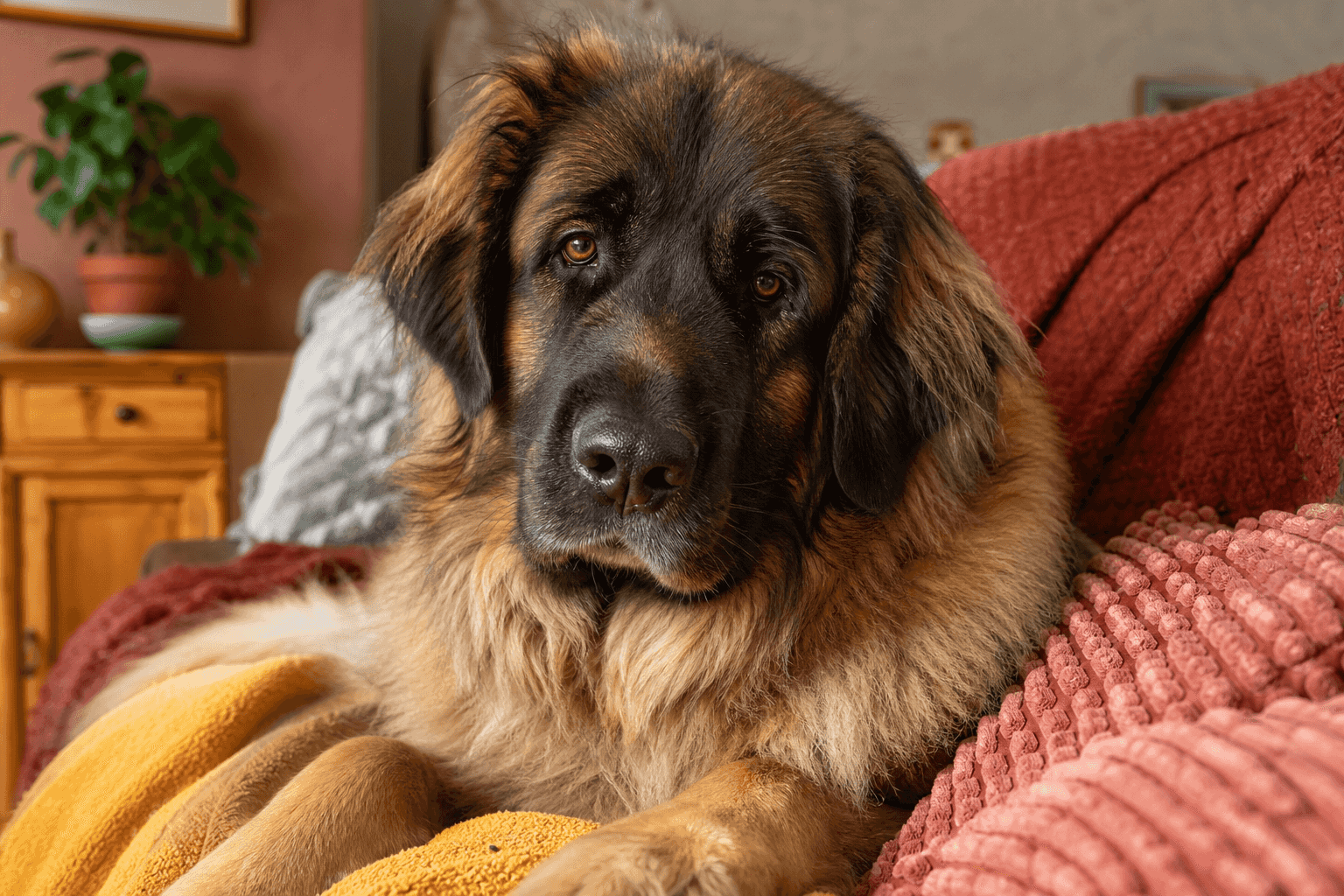
Let's start with the obvious: the Spanish Mastiff is a true giant. Males can tip the scales at over 200 pounds.
That size is impressive — and it changes everything about how you live.
A dog this big needs room to stretch out. A large, securely fenced yard is close to essential. Apartment life? It rarely works.
Their sheer bulk can also be overwhelming in homes with small children, elderly relatives, or tight spaces. A friendly lean from a 180-pound dog can knock a grown adult off balance.
But if you have the space, here's the good news about their energy.
2. Calm, But Not Lazy
Here's where the Spanish Mastiff surprises people: indoors, they're remarkably mellow.
They're not zooming around your living room or bouncing off the walls. Much of the day, they'll simply keep a watchful eye on their territory.
But don't mistake calm for lazy.
They still need real, daily movement to stay healthy and happy. A slow-paced walk plus time to roam a fenced yard usually does the trick.
3. Guarding Instincts Run Deep
Now, here's where it gets interesting: this breed was born to protect.
For centuries, Spanish Mastiffs guarded flocks against wolves. That instinct didn't disappear — it's baked into who they are.
What that looks like at home:
- Natural suspicion of strangers and unfamiliar visitors.
- A deep, booming bark that makes anyone think twice about approaching.
- Strong territorial awareness over your property.
Handled well, that protectiveness is a huge asset. Left unchecked, it can tip into overly territorial or even aggressive behavior.
The difference comes down to one thing: early, consistent socialization.
“A well-socialized guardian is confident and calm. An unsocialized one is anxious and reactive — same instinct, very different dog.”
Which brings us to the part most people underestimate: training.
4. Training Takes Patience (and Confidence)
Spanish Mastiffs are smart. But they are not eager-to-please retrievers.
They're independent thinkers — bred to make decisions alone in a field. So expect a dog that weighs your commands rather than instantly obeying them.
That means training this breed calls for a specific kind of owner.
How to train a Spanish Mastiff
- Start earlyAn untrained adult Mastiff is incredibly hard to manage — begin as a puppy.
- Stay calm and consistentFirm without being harsh. Mixed signals confuse an independent dog fast.
- Use positive reinforcementTreats and praise get far better results than intimidation ever will.
- Be patientStubbornness is a feature, not a flaw. Push calmly, not forcefully.
5. Not a Fan of Strangers — Or Other Pets
This breed is fiercely loyal to its family and aloof with outsiders. That's the trade-off you sign up for.
With other animals, it depends heavily on upbringing.
Some Spanish Mastiffs coexist peacefully with pets they were raised alongside. Many, however, don't tolerate other dogs or cats well.
Experienced owners
Great fitIdeal for those who understand large, independent guardians.
First-time owners
Not recommendedThe size and stubbornness are a lot to manage without experience.
Other dogs
DependsBest when raised together; introductions later can be tricky.
Cats & small pets
CautionPossible with early socialization, but not guaranteed.
So what does this mean for you? If you already have a busy multi-pet household, adding a Spanish Mastiff takes careful planning — not a casual introduction.
Now for the practical side: what daily care actually looks like.
6. Health and Grooming Needs
Like most giant breeds, Spanish Mastiffs are prone to hip and joint issues.
The good news? Much of that risk is manageable with sensible care.
- Keep their weight in check — extra pounds strain big joints
- Feed proper, breed-appropriate nutrition
- Provide shade and fresh water on hot days
- Over-exercise a growing puppy
- Leave them in summer heat without cooling options
On grooming: they shed seasonally, and — let's be honest — they drool. A lot. Especially after eating or drinking.
Keeping a towel handy isn't a suggestion. It's a lifestyle.
Their thick coat shields them beautifully from the cold, but it works against them in summer. They overheat easily, so warm-weather care matters.
Not Hypoallergenic
Let's be clear here: if allergies are a concern in your household, this isn't your breed.
They shed heavily in certain seasons and are not allergy-friendly in any sense.
7. Gentle With Kids — But Supervise Play
Here's the heartwarming part: Spanish Mastiffs are typically very protective of the children in their own family.
But there's a catch — their size.
A dog this large can accidentally knock over a toddler without even noticing. It's not aggression; it's physics.
So, the big question: is this gentle giant actually right for you?
In a Nutshell: Is the Spanish Mastiff Right for You?
This breed is loving, loyal, and incredibly brave. But it needs an owner who genuinely understands large, independent dogs.
Pros
A great match if you…
- Have plenty of space and a secure yard
- Have experience with big, headstrong breeds
- Want a devoted, natural guardian
- Are calm, confident, and consistent
Cons
Reconsider if you…
- Are a first-time dog owner
- Live in an apartment or tight space
- Want a low-maintenance, drool-free pet
- Have allergies or a crowded multi-pet home
If you check the right boxes, a Spanish Mastiff can be an extraordinary companion. They'll watch over your home with quiet strength, and their steady presence can be genuinely grounding.
Just be prepared for the drool. Always the drool.
Quick poll
After reading this, how do you feel about the Spanish Mastiff?
Frequently Asked Questions
Generally, no. They're large, stubborn, and independent, which makes them a demanding first dog. They're best suited to owners with experience handling big, headstrong working breeds.
They're not constant barkers, but they have a deep, booming bark and will use it to warn off strangers or anything unusual near their territory. That watchdog voice is part of the package.
They're typically very protective and gentle with the children in their own family. Because of their enormous size, though, all play with young kids should be supervised to avoid accidental knocks.
It's not a good fit. These giants need room to stretch out and ideally a large, secure yard. Tight indoor spaces tend to frustrate the dog and the owner alike.
It varies. Dogs raised alongside other pets often coexist fine, but many don't tolerate unfamiliar dogs or cats well. Early socialization helps, and later introductions can be tricky.
Moderate, low-impact activity — a steady daily walk plus time to roam a fenced yard is usually enough. Avoid high-intensity exercise, especially while they're still growing, to protect their joints.
Beyond the sheer size and space demands, most owners point to two things: the independent, stubborn streak that makes training a patience game — and the near-constant drool.
No. They shed heavily during seasonal changes and are not allergy-friendly. If anyone in your home has dog allergies, this breed isn't the right choice.