15 Things You Must Know Before Bringing Home a Sheprador Puppy
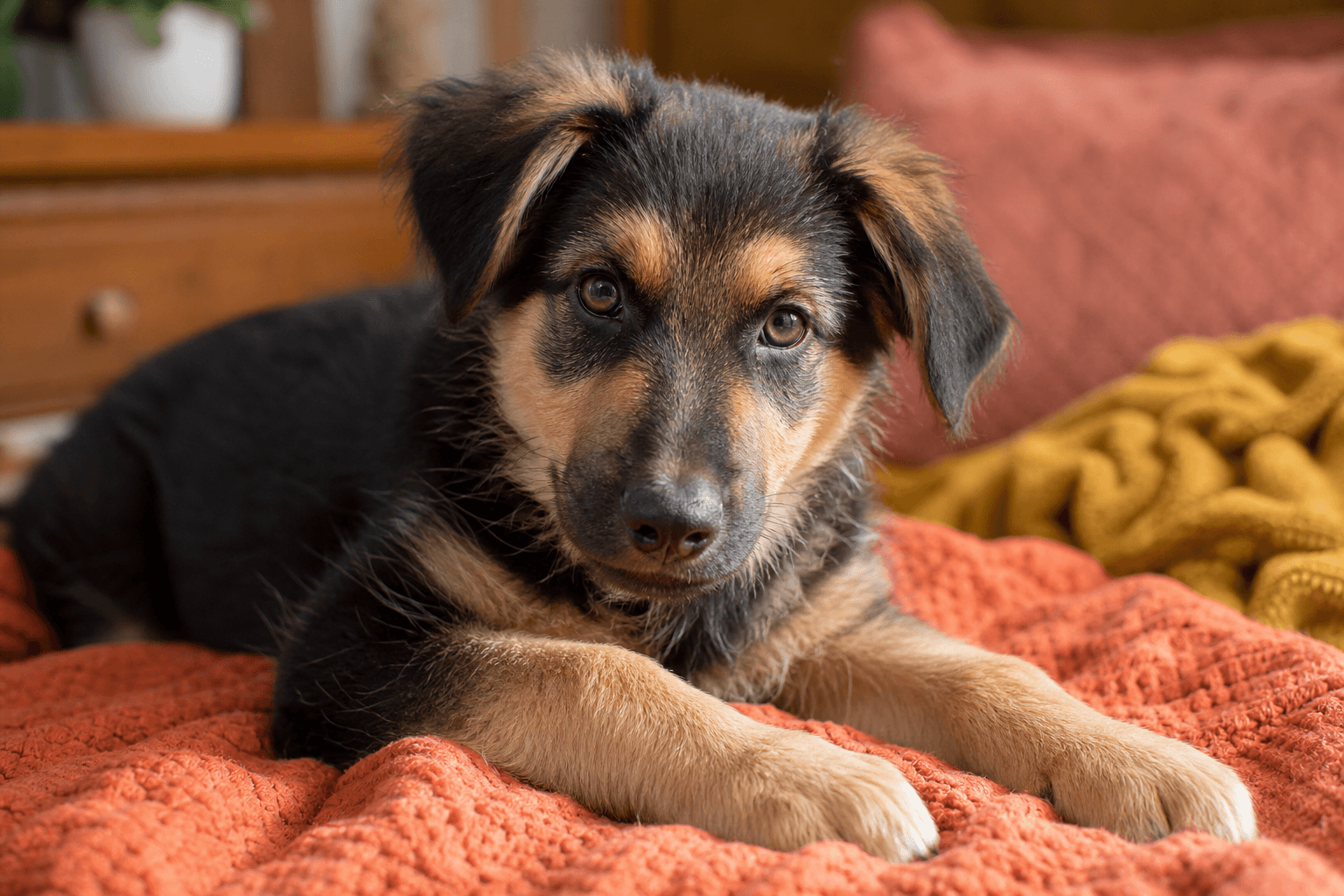
You love the Shepherd brain and the Lab heart. A Sheprador gives you both, in turbo.
Before that wagging bundle lands in your lap, here are the truths we wish we knew on day one.
Skim this now, save yourself weeks of guesswork later.
1. Temperament Is a Blend, Not a Guarantee
Shepradors mix the German Shepherd’s intensity with the Labrador’s friendliness, but your puppy may lean heavily toward one parent.
Meet both parents if possible, and expect a confident, people oriented dog who still takes work to mold.
2. Energy: Plan for Real Work
This cross is typically high drive. Budget 60 to 90 minutes of daily exercise plus training or puzzles, especially through the teenage months.
A bored Sheprador will invent a job, like landscaping your yard.
3. Adult Size and Strength
Most land between 60 and 85 pounds with serious pulling power.
Leash manners and impulse control need to start before those muscles arrive.
4. Coat and Shedding
Expect a double coat and year round shedding, with seasonal blowouts.
Brush several times a week and own a quality vacuum; baths every 6 to 8 weeks keep the coat healthy.
5. Early Training Is Non-Negotiable
They are bright, sensitive, and eager to work, which cuts both ways.
Reward based training, clear boundaries, and short, frequent sessions create a partner, not a project.
6. Socialization Window
From 8 to 16 weeks, introduce friendly dogs, diverse people, sounds, floors, and car rides.
Pair every novelty with food to build a confident dog who recovers fast from surprises.
7. Mental Exercise Matters
Five minutes of nosework or problem solving can tire them more than a jog.
Use scent games, snuffle mats, hide and seek, and beginner retrieve tasks to channel that brain.
8. Health Screening and Common Issues
Prioritize breeders who test hips and elbows, and screen for eye issues and degenerative myelopathy where indicated.
Watch for hip and elbow dysplasia risk, bloat in deep chested lines, and ear infections if the Lab ear shape dominates.
9. Nutrition for a Large-Breed Puppy
Choose a large breed puppy formula with controlled calcium and energy to support steady growth.
Rapid growth increases joint stress; keep them lean and skip high impact jumping while plates close.
10. Space and Lifestyle Fit
They can thrive in an apartment with a training plan, but a yard makes potty training and fetch simpler.
Non negotiable: daily outlets for movement and brain work.
11. Alone Time and Separation
Shepradors bond hard and may struggle with being left alone if not taught gradually.
Start with micro absences, use food stuffed toys, and vary your leaving routine.
12. Guarding Instincts
The Shepherd side may add alertness and a serious bark.
Reinforce quiet, reward calm visitor greetings, and never encourage protective posturing.
13. Activities They Tend to Love
Retrieving games, hiking, obedience, tracking, and swim sessions are crowd pleasers.
Use structured fetch with rest breaks to protect joints while young.
14. Budget and Time Costs
Plan for quality food, training classes, pet insurance, and durable chew toys that survive a power chewer.
Time wise, the first year is hands on: house training, teething management, and daily practice.
15. Longevity and Commitment
Expect 10 to 13 years if well bred and well kept.
You are signing up for a smart, athletic partner who needs a job and your consistency every single day.
- Met both parents or saw temperament videos and health clearances
- Have 60 to 90 daily minutes for exercise and training
- Brush and vacuum plan for heavy shedding
- Apartment without time to exercise and train
- Breeder refuses to show health tests
| Category | Rating |
|---|---|
| Trainability | |
| Energy Level | |
| Shedding | |
| Family Friendly | |
| Dog Friendliness |