15 Things You Must Know Before Bringing Home a Schnoodle Puppy
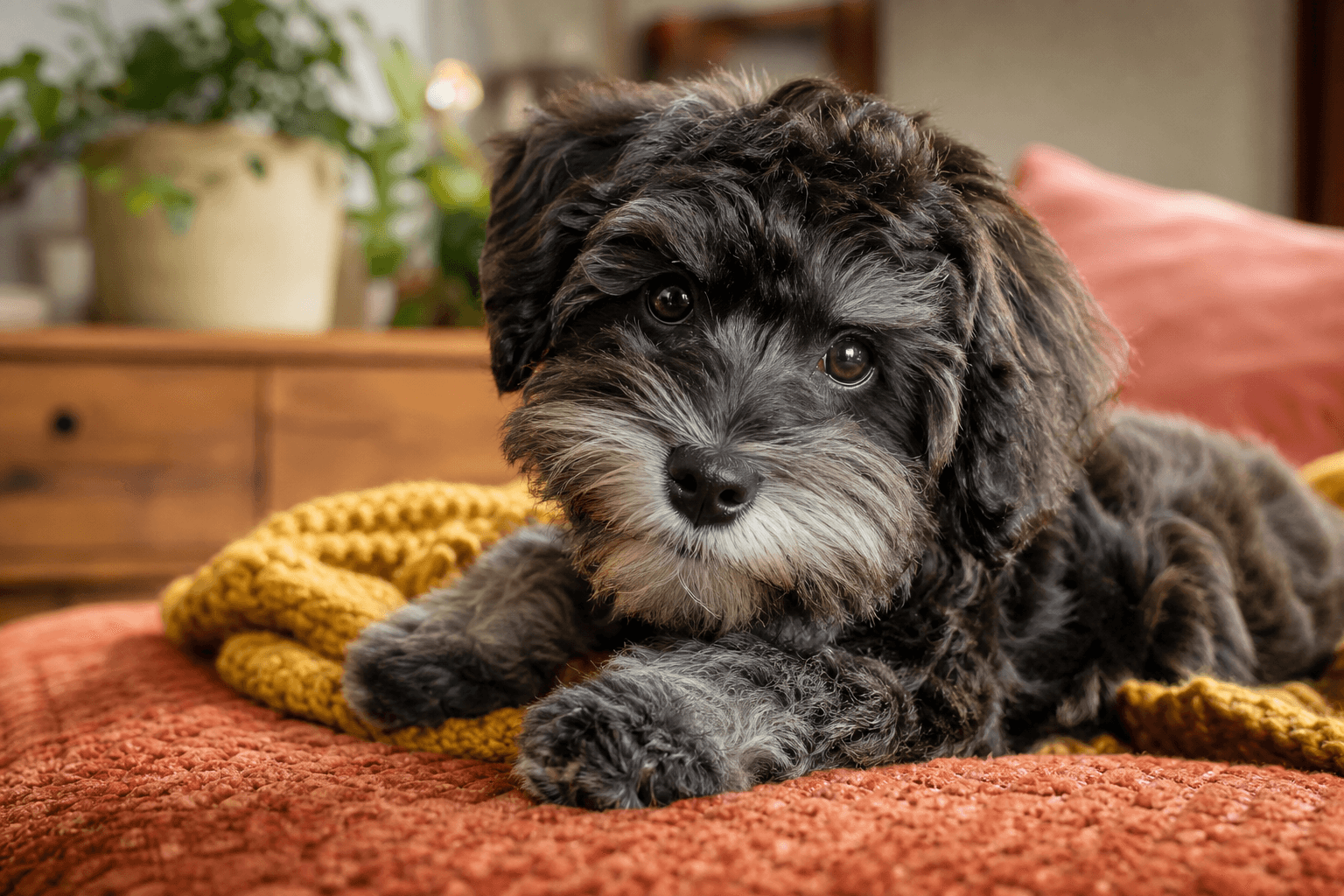
You clicked because Schnoodles look like living teddy bears and everyone says they are perfect family dogs.
They can be, but only if you know what you are actually bringing home.
Here are the 15 things we wish someone had told us first — short, honest, and action-ready.
1. Size Matters More Than You Think
Schnoodles come from Miniature, Standard, or even Giant Schnauzer lines crossed with Toy, Mini, or Standard Poodles.
A toy or mini Schnoodle may be 10 to 20 pounds, while a standard cross can land in medium to large territory.
Ask the breeder or rescue exactly which parents were used; size changes exercise needs, grooming bills, crate size, and housing rules.
2. Energy Needs Are Real
Both parent breeds are working dogs at heart, which means a smart brain in an athletic body.
Plan on daily movement: two brisk walks plus play or training games. Fetch, scent games, and short jogs for adults beat endless backyard wandering.
Puppies need shorter, more frequent sessions to protect growing joints.
3. Coat Types Vary — and So Does Shedding
Schnoodle coats range from wavy to curly. Most shed lightly, but none are truly maintenance-free.
Curly coats resist shedding but mat faster; wavy coats are easier to brush but may shed a bit more.
Meet adult relatives or earlier litters to gauge what you are likely to get.
4. Hypoallergenic: Helpful, Not Magic
Many people do well with Schnoodles because they tend to release less dander and hair into the home.
All dogs produce allergens, though. Spend time with the actual puppy or parents before committing if allergies are a concern.
5. Temperament: Social, Smart, Sometimes Velcro
Expect affectionate and people-oriented, with a watchdog streak from the Schnauzer side.
They bond hard and may shadow you from room to room, which is sweet until separation anxiety shows up.
Teach independence early with alone-time training and calm departures and returns.
6. Training Style: Positive and Clear Wins
Schnoodles are quick studies but can be sensitive. Harsh corrections shut them down; clear, upbeat guidance makes them shine.
Short sessions, high-value rewards, and lots of variety keep that brilliant brain engaged.
7. Barking Tendency Comes With the Package
Schnauzers are alert and vocal, and many Schnoodles inherit that.
Channel it. Reward quiet, teach a speak-then-quiet cue, and block window perches if your puppy is self-assigning to neighborhood security.
8. Early Socialization Is Non-Negotiable
Enroll in a well-run puppy class and schedule positive exposures to new people, calm dogs, surfaces, sounds, and grooming handling.
Confident now means easier vet visits, grooming days, and less reactivity later.
9. Health Screening You Should Ask For
From the Poodle side: hip dysplasia and progressive retinal atrophy are concerns, with patellar luxation possible in smaller sizes.
From the Schnauzer side: pancreatitis risk, hyperlipidemia, bladder stones, and certain eye issues can appear.
Ask for OFA or PennHIP results for hips, patella evaluations, and breed-appropriate eye testing. Ethical breeders are transparent and share veterinary documentation.
10. Nutrition: Lean Is Safer Than Rich
Choose a complete and balanced puppy formula, then transition to adult food at the age your vet recommends for your size category.
Avoid very high-fat treats and table scraps; Schnauzer lines can be sensitive to fat and prone to pancreatitis.
Use measured meals, not free-feeding, to prevent rapid weight gain on a small frame.
11. Grooming Routine: Put It on the Calendar
Brush 3 to 4 times a week to prevent mats, especially behind ears, armpits, and around the collar.
Book professional grooming every 6 to 8 weeks for most coats. Decide on a clip length you can maintain year-round.
Add nail trims, ear checks, and daily tooth brushing to your routine to avoid vet bills later.
12. Kids and Other Pets
Well-bred, well-socialized Schnoodles are typically good with respectful kids and can live peacefully with other dogs and even cats.
Supervise all introductions, teach children gentle handling, and create safe retreat spaces for everyone.
13. Apartment vs. Yard
Schnoodles adapt well to apartments if you meet their exercise and mental needs.
Yards are great for play, but they do not replace walks, training games, and sniffy adventures that tire out the brain.
14. Real Costs to Budget For
Upfront: adoption or breeder fee, vaccinations, microchip, spay or neuter if needed, crate, bed, bowls, toys, grooming tools, and first training class.
Ongoing: quality food, grooming every couple months, routine vet care, flea and tick prevention, and pet insurance if you choose it.
Schnoodles are not high-cost to feed, but professional grooming is a real, recurring line item.
15. Where to Get One — Breeder or Rescue
Rescues and shelters do get Schnoodles and Schnauzer or Poodle mixes; be ready to apply quickly and show your plan for care.
If working with a breeder, look for health testing, a clean and transparent environment, contracts that protect the dog, and lifetime take-back policies.
Walk away from sellers who cannot show parents, rush the decision, or will not answer basic health and temperament questions.
- I know the expected adult size of my specific puppy
- I have a daily exercise and training plan
- I booked a groomer and set a brushing schedule
- I confirmed health testing or arranged a thorough intake exam
- I will avoid high-fat foods and measure meals
- I am prepared for some barking and have a plan to teach quiet
- I will socialize thoughtfully every week
- I believe grooming is optional for this breed
Yes, if you are up for consistent training and grooming. Their intelligence and eagerness to please make learning fun, but they do best with structure and regular coat care.
Brush several times a week from day one. Schedule professional grooming about every 6 to 8 weeks once the adult coat comes in, and keep nails and teeth on a weekly routine.
Many are naturally alert. Early training, rewarding quiet, and managing triggers like window patrols can keep it reasonable.
Short, age-appropriate walks, play sessions, puzzle toys, and gentle training games. Avoid repetitive high-impact activities until growth plates close.
They are often easier for allergy sufferers, but no dog is zero-allergen. Meet the specific dog and clean with good filtration to help.