15 Things You Must Know Before Bringing Home a Norwich Terrier Puppy
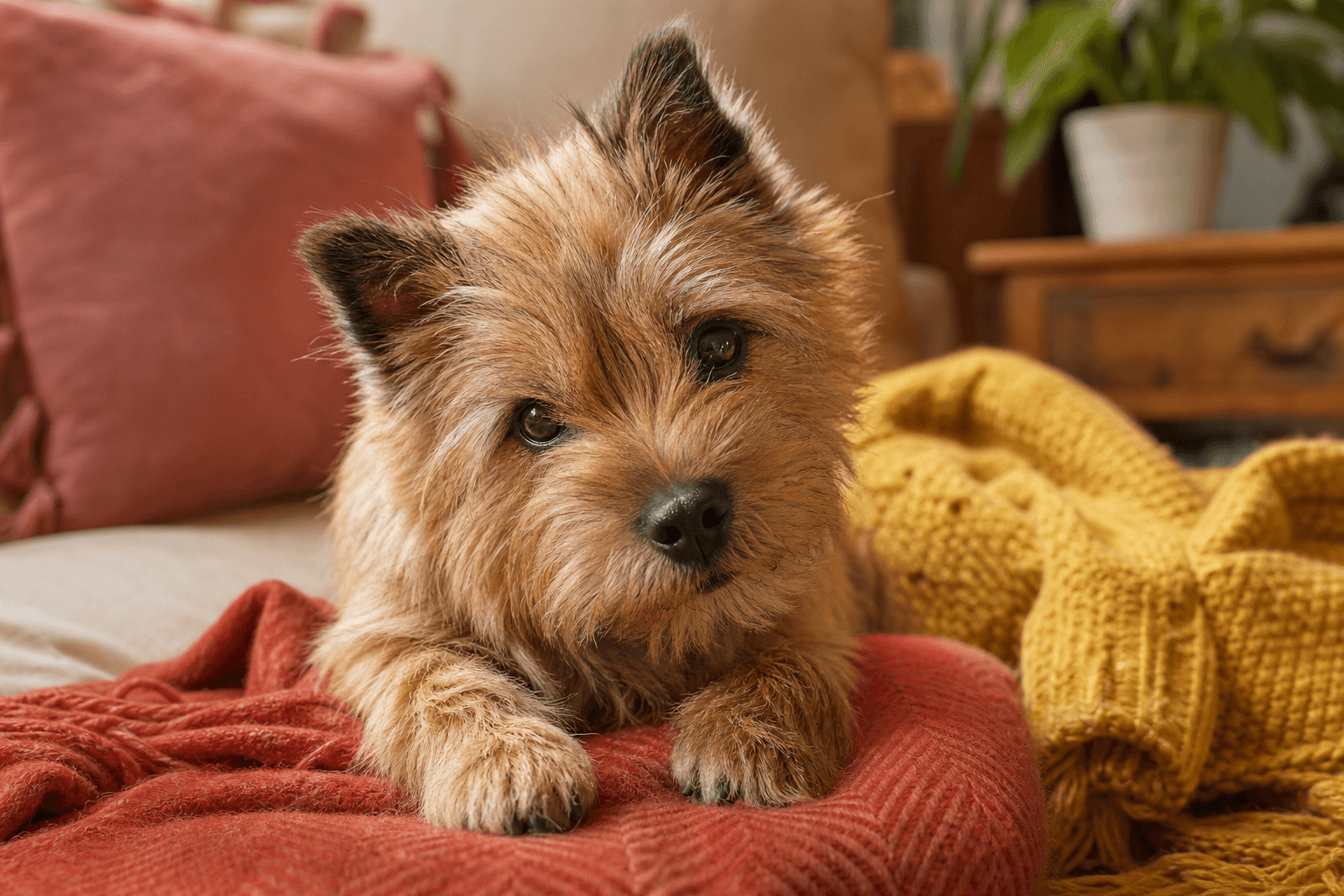
You fell for the foxlike face and big, perky ears — we did too.
Norwich Terriers are small in size but huge in heart and hustle.
Here is exactly what matters before you bring one home — so the first month feels joyful, not chaotic.
Size
About 10 inches tall and 11–13 pounds; sturdy, not delicate.
Energy
Playful bursts plus daily walks; settles well indoors after.
Coat
Harsh, wiry, weather-resistant; benefits from hand stripping.
Personality
Cheerful, bold, people-focused, with classic terrier grit.
1. Pocket Size, Big Stamina
Norwich are small enough for city living, but built like tiny tanks.
They can hike, play, and keep up on errands — plan outlets for that go-go engine.
2. True Terrier Temperament
Expect curiosity, confidence, and a dash of mischievous independence.
They are affectionate with their people, but the ratting roots mean quick reactions to movement.
3. Daily Exercise Needs
Two brisk 20-minute walks plus scatter-fed meals or a 10-minute sniffy session usually hits the sweet spot.
On rainy days, food puzzles and short training sprints tire the brain just as well.
4. Barking and Neighbors
They are natural watchdogs and will alert bark at hallway sounds or squirrels.
Teach a quiet cue early and reward calm; management (frosted film on low windows) helps.
5. Coat Care: Stripping vs Clipping
Hand stripping every few months keeps the harsh coat tidy, low-odor, and weatherproof.
Clipping is fine for pets, but the coat softens and may trap more dirt; still brush weekly and tidy feet, vent, and nails.
6. Shedding Reality
Properly stripped coats shed lightly year-round.
Clipped coats can shed more; a rubber curry or slicker once or twice a week keeps things under control.
7. Training Style That Works
Short, upbeat sessions beat drills — they learn fast when it feels like a game.
Use high-value treats and vary the reps; a bored Norwich will improvise their own agenda.
8. Off-Leash Truth
Chase drive is real; birds and squirrels flip the turbo switch.
Build a rock-solid recall with a long line in safe spaces, and default to fenced areas.
9. Kids, Dogs, and Small Pets
They are generally friendly with respectful kids and social dogs.
Supervise around tiny pets like hamsters or rabbits — the instinct to pursue is not meanness, it is wiring.
10. Apartment or Yard?
They thrive in apartments if you meet exercise and training needs.
In houses, secure fencing matters; these are diggers and hole inspectors by trade.
11. Health Watchlist
Common small-breed concerns include patellar luxation, dental crowding, and some heart issues in later life.
Ask for patella and cardiac clearances and an eye exam history from breeding stock; keep teeth clean from puppyhood.
12. Feeding a Fast Metabolism
Split meals into 2–3 feedings to maintain steady energy and easier housetraining.
Use part of meals for training and enrichment toys to prevent overfeeding.
13. Finding a Responsible Breeder
Look for transparent health testing, contracts that require taking a dog back, and puppies raised in-home with socialization.
Norwich are not common; expect waitlists. Avoid sellers with multiple litters always available or no questions for you.
14. Starter Gear That Helps
A well-fitted Y-harness, 15–20 ft long line, wire crate, and puzzle feeders make the first weeks smoother.
Add a slicker brush, nail grinder, and an ID tag plus microchip registered to your current phone.
15. The 15-Year Commitment
Average lifespan runs into the teens with good care.
Plan for training refreshers, routine grooming, and a buddy who wants to be where you are — that is the joy of this breed.